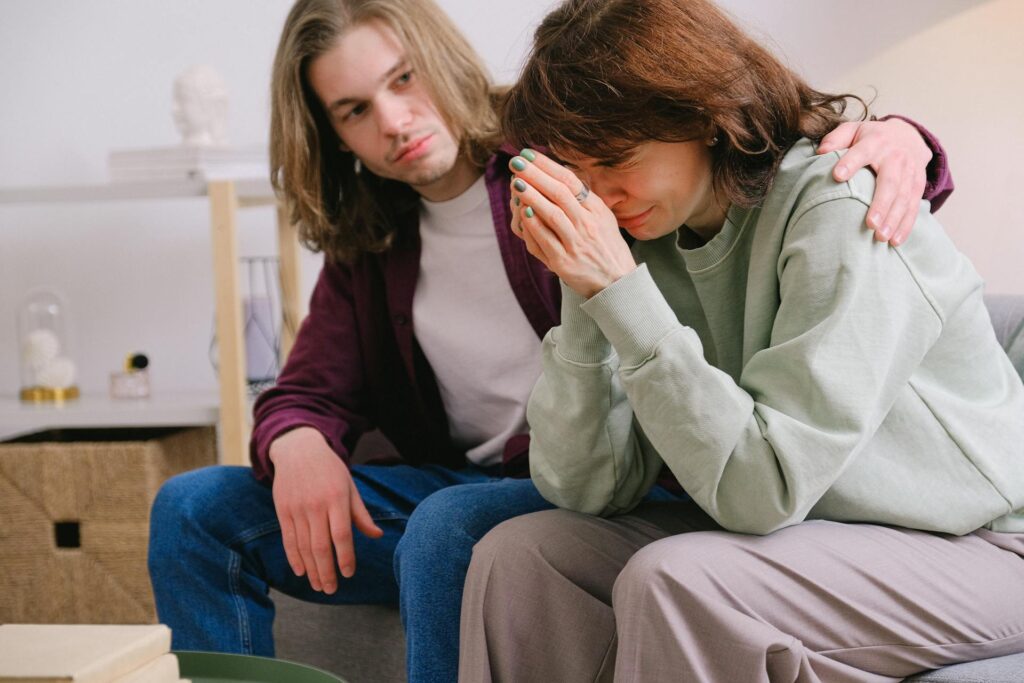
Recognizing and Overcoming Emotional Abuse
Emotional abuse, a silent epidemic, infiltrates lives with insidious precision, leaving behind a trail of psychological devastation. Unlike the visible wounds of physical violence, its scars are etched in the psyche, manifesting as self-doubt, anxiety, and a profound sense of isolation. Recognizing this form of abuse is the crucial first step toward reclaiming agency and embarking on a journey of healing.
The Invisible Chains: Recognizing the Spectrum of Emotional Abuse
Emotional abuse is not confined to overt acts of cruelty; it exists along a spectrum, often cloaked in subtle manipulation and control. Understanding this spectrum is vital for identifying its presence:
- Verbal Assaults and Degradation: This extends beyond simple insults to include persistent criticism, name-calling, and belittling remarks aimed at eroding self-worth. Abusers may mock vulnerabilities, dismiss accomplishments, and create an atmosphere of constant negativity. They may also use sarcasm and veiled insults, making it difficult for the victim to pinpoint the abuse.
- Control and Domination: This involves exerting power over the victim’s choices, actions, and autonomy. Abusers may control finances, dictate social interactions, monitor communication, and restrict movement. They may also use subtle tactics, such as guilt-tripping and emotional blackmail, to manipulate behavior. The goal is to create a sense of dependence and helplessness.
- Gaslighting and Reality Distortion: This insidious form of manipulation involves twisting reality to make the victim question their sanity. Abusers may deny events, contradict statements, and blame the victim for their own abusive behavior. They may also isolate the victim from support systems, making them more vulnerable to manipulation. The goal is to create a sense of confusion and disorientation.
- Intimidation and Threats: This involves using fear and coercion to control behavior. Abusers may threaten physical harm, financial ruin, or social isolation. They may also use subtle tactics, such as silent treatment and menacing glares, to create an atmosphere of fear. The goal is to maintain power and control.
- Isolation and Social Control: Abusers frequently isolate victims from friends, family, and support networks. This isolation increases the victim’s dependence on the abuser and reduces their access to outside perspectives. By controlling social interactions, the abuser can maintain power and prevent the victim from seeking help.
- Technological Abuse: In the digital age, emotional abuse can take on new forms, including cyberstalking, online harassment, and monitoring of digital communication. Abusers may use technology to track the victim’s location, access personal information, and control their online presence.
Recognizing these patterns requires a deep understanding of the dynamics of emotional abuse. Victims often internalize the abuser’s messages, leading to self-doubt and a diminished sense of self-worth.
Breaking Free: A Comprehensive Strategy for Overcoming Emotional Abuse
Overcoming emotional abuse is a complex and multifaceted process that requires a commitment to self-healing and empowerment.
- Self-Validation and Acknowledgment: The first step is to acknowledge that you are being abused and validate your experiences. This involves recognizing the patterns of abuse and understanding that you are not responsible for the abuser’s behavior. Educating yourself about emotional abuse can help you understand your experiences and develop strategies for healing.
- Seeking Professional Support: Therapy is essential for processing trauma, developing coping mechanisms, and rebuilding self-esteem. A therapist can provide a safe space to explore your experiences and develop strategies for healing. Cognitive Behavioral Therapy (CBT), Eye Movement Desensitization and Reprocessing (EMDR), and trauma-informed therapy can be particularly effective. 1
- Building a Support Network: Connecting with trusted friends, family members, or support groups can provide validation and emotional support. Sharing your experiences with others who understand can help you feel less alone and more empowered. Online communities and hotlines can also provide valuable resources and support.
- Establishing Firm Boundaries: Learning to set clear boundaries is crucial for protecting yourself from further abuse. This may involve saying “no” to unreasonable demands, limiting contact with the abuser, and asserting your needs. Boundaries are essential for reclaiming your autonomy and protecting your emotional well-being.
- Prioritizing Self-Care and Well-Being: Engaging in activities that promote physical and emotional well-being is essential for healing. This includes exercise, healthy eating, relaxation techniques, mindfulness, and hobbies. Self-care is not selfish; it is essential for maintaining your emotional and physical health.
- Developing a Safety Plan: If you are in an abusive relationship, creating a safety plan is crucial. This may involve identifying safe places, securing important documents, establishing a support network, and developing a plan for leaving the abusive situation. A safety plan can help you protect yourself and your children.
- Rebuilding Self-Esteem and Confidence: Emotional abuse erodes self-worth and confidence. Engaging in activities that boost your self-esteem and remind you of your strengths is essential for healing. Focus on positive self-talk, celebrate your achievements, and surround yourself with supportive people.
- Legal Options and Protection: In some cases, legal intervention may be necessary to ensure your safety. This may involve obtaining a restraining order, seeking legal counsel, and filing charges against the abuser. Legal options can provide protection and accountability.
- Long Term Recovery: Healing from emotional abuse is a long term process that requires patience and self-compassion. There will be setbacks along the way, but it is important to remember that healing is possible. Focus on progress, not perfection, and celebrate your achievements along the way.
- Breaking the Cycle: Understanding the cycle of abuse is key to preventing its recurrence. Recognizing the patterns of abusive behavior can help you avoid future abusive relationships. Education on healthy relationships is also important.
Free consultations. Connect free with local health professionals near you.
Emotional Abuse: From Harm to Healing
Emotional abuse, a pervasive and often hidden form of trauma, inflicts deep psychological wounds that can take years to heal. It undermines a person’s sense of self, creating a landscape of fear, doubt, and isolation. The journey from harm to healing is a complex and deeply personal process, requiring understanding, support, and a commitment to self-recovery.
The Devastating Impact: Unraveling the Layers of Harm
Emotional abuse has a profound and far-reaching impact on victims, affecting their psychological, emotional, interpersonal, and physical well-being.
- Psychological Trauma and Mental Health: Victims often experience a range of mental health issues, including anxiety, depression, post-traumatic stress disorder (PTSD), complex PTSD (C-PTSD), and low self-esteem. The constant barrage of criticism and manipulation can lead to self-doubt, feelings of worthlessness, and a diminished sense of self. The trauma of emotional abuse can also lead to dissociation, flashbacks, and nightmares.
- Emotional Dysregulation and Distress: Victims may struggle to regulate their emotions, experiencing intense feelings of confusion, fear, guilt, and shame. They may also struggle to trust their own judgment, feel isolated from others, and experience emotional numbness. The emotional distress caused by emotional abuse can lead to difficulty forming healthy relationships and maintaining emotional stability.
- Interpersonal Difficulties and Relationship Challenges: Emotional abuse can damage relationships, making it difficult for victims to form healthy connections. They may struggle with trust and intimacy, fearing further abuse. Victims may also experience difficulty setting boundaries and asserting their needs. The impact of emotional abuse can also affect relationships with children and family members.
- Physical Manifestations of Trauma: The chronic stress of emotional abuse can manifest in a range of physical symptoms, including headaches, fatigue, sleep disturbances, digestive problems, and chronic pain. The mind-body connection plays a significant role in the impact of trauma. The constant state of fight or flight that emotional abuse creates, impacts the body’s systems.
- Cognitive Impairment and Dissociation: Victims may experience difficulty concentrating, making decisions, and remembering things. The constant mental strain can impair cognitive function and lead to dissociation. Dissociation is a coping mechanism that allows victims to detach from their emotions and experiences, but it can also lead to memory gaps and a sense of detachment from reality.
- Loss of Identity and Autonomy: Emotional abuse often involves stripping away a person’s sense of self and autonomy. Victims may lose touch with their passions, interests, and values. They may also struggle to make decisions and assert their needs. The loss of identity and autonomy can lead to feelings of helplessness and hopelessness.
- Financial and Social Vulnerability: Abusers may control finances, restrict access to resources, and isolate victims from support networks. This can lead to financial and social vulnerability, making it difficult for victims to leave the abusive situation. The abuser creates dependancy.
The Path to Recovery: A Comprehensive Healing Journey
Healing from emotional abuse is a gradual and deeply personal process that requires patience, self-compassion, and a commitment to self-recovery.
- Safety and Stabilization: If you are still in an abusive relationship, prioritizing your safety is paramount. This may involve seeking a safe place to stay, creating a safety plan, and limiting contact with the abuser. A safety plan should include practical steps to protect yourself and your children.
Conclusion
The journey through and beyond emotional abuse is undeniably arduous, a testament to the resilience of the human spirit. Recognizing the insidious nature of this abuse, with its subtle manipulations and profound psychological impacts, is the critical first step. It demands a keen awareness of the spectrum of abusive behaviors, from overt verbal assaults to the silent, corrosive effects of gaslighting and isolation. This recognition, however painful, illuminates the path toward liberation.
Overcoming emotional abuse necessitates a multi-faceted approach, one that prioritizes self-validation and the acknowledgment of one’s lived experience. It’s about building a robust support network, seeking professional therapeutic intervention, and establishing firm boundaries that protect the wounded self. This process is not a linear one; it involves navigating setbacks and celebrating small victories, all while fostering self-compassion and patience.
Healing, the ultimate goal, is an ongoing process of reclaiming identity and rebuilding self-worth. It demands a commitment to self-care, mindfulness, and the cultivation of healthy relationships. It is about learning to trust again, not only others, but most importantly, oneself. The scars of emotional abuse may linger, but they do not define the individual. Instead, they serve as a testament to the strength and courage displayed in the face of adversity.
Ultimately, the journey from harm to healing is a transformative one. It’s about breaking the cycle of abuse, educating oneself and others, and advocating for a world where emotional well-being is valued and protected. It is about creating a future marked by empowerment, autonomy, and the unwavering belief in one’s inherent worth. By recognizing the signs, committing to healing, and fostering a culture of support, survivors can emerge from the shadows of abuse and embrace a life of renewed hope and strength. The fight against emotional abuse is a collective one, and every step taken towards healing contributes to a world where emotional safety is a fundamental right.
Time to feel better. Find a mental, physical health expert that works for you.