Defining Antioxidants
Antioxidants are molecules that combat free radicals, unstable atoms or molecules that can damage cells in your body. These free radicals are produced naturally as a byproduct of metabolism and other bodily processes, but they can also be generated by external factors such as pollution, smoking, and excessive sun exposure. When free radicals accumulate, they can cause oxidative stress, a process that damages cells and contributes to various health problems.
Antioxidants work by donating an electron to free radicals, neutralizing them and preventing them from causing further damage. This electron donation stabilizes the free radical, rendering it harmless. In essence, antioxidants act as scavengers, cleaning up the potentially harmful byproducts of cellular metabolism.
Time to feel better. Find a mental, physical health expert that works for you.
Antioxidants come in many forms, including vitamins, minerals, and phytochemicals. Vitamin C, vitamin E, and beta-carotene are well-known examples of antioxidant vitamins. Minerals like selenium and zinc also possess antioxidant properties. Phytochemicals, which are naturally occurring compounds in plants, include flavonoids, polyphenols, and carotenoids, all of which exhibit antioxidant activity.
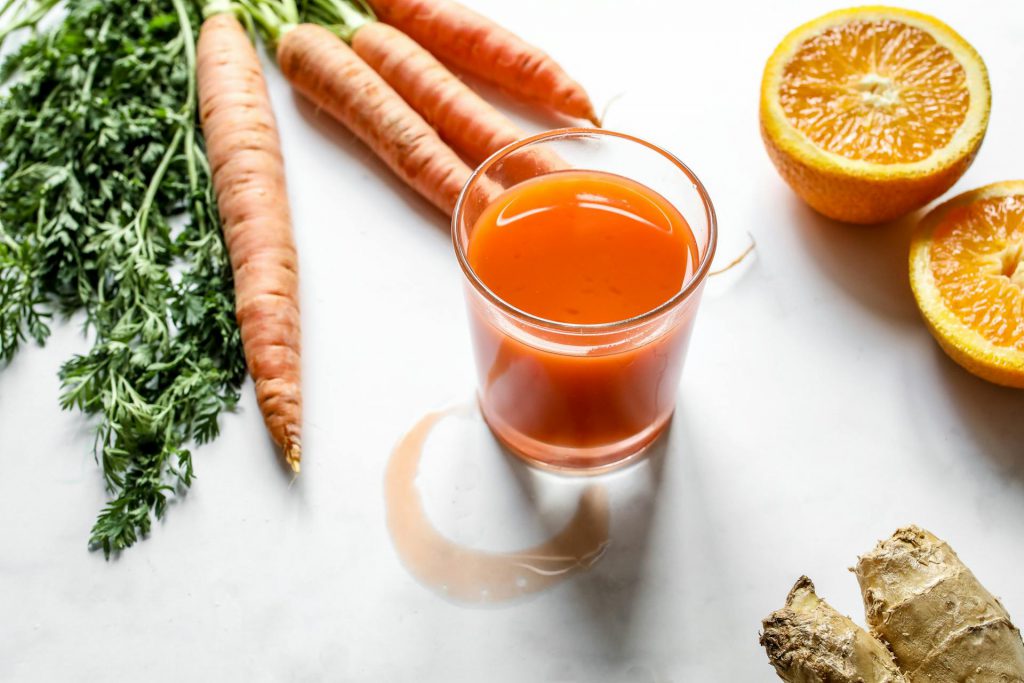
The body produces some antioxidants naturally, but it also relies on external sources, primarily through diet. A diet rich in fruits, vegetables, and whole grains provides a wide array of antioxidants. Colorful fruits and vegetables, such as berries, leafy greens, and carrots, are particularly rich in antioxidants.
Antioxidants can be classified into two main categories: water-soluble and fat-soluble. Water-soluble antioxidants, like vitamin C, work in the fluids inside and outside cells. Fat-soluble antioxidants, such as vitamin E, protect cell membranes, which are made of fat.
While antioxidants are essential for maintaining cellular health, it’s important to note that taking high doses of antioxidant supplements may not always be beneficial. In some cases, excessive antioxidant intake can disrupt the body’s natural balance and even have adverse effects. A balanced diet that incorporates a variety of antioxidant-rich foods is generally considered the best approach to ensure adequate antioxidant intake.
Connect Free. Improve your mental and physical health with a professional near you
Antioxidant Health Benefits
Antioxidants play a crucial role in maintaining overall health by protecting cells from damage caused by free radicals. This protection translates into a wide range of potential health benefits, impacting various aspects of well-being.
One of the most significant benefits of antioxidants is their ability to reduce the risk of chronic diseases. Oxidative stress, caused by an imbalance of free radicals and antioxidants, is implicated in the development of numerous chronic conditions, including heart disease, cancer, and neurodegenerative disorders. By neutralizing free radicals, antioxidants help prevent cellular damage that contributes to these diseases.
Antioxidants also play a vital role in supporting immune function. They protect immune cells from oxidative damage, ensuring they can function effectively in defending the body against infections and illnesses. A strong immune system is essential for overall health and resilience.
Furthermore, antioxidants contribute to healthy aging. By protecting cells from damage, they help slow down the aging process and reduce the risk of age-related diseases. Antioxidants can also improve skin health by protecting it from sun damage and promoting collagen production, which helps maintain skin elasticity and firmness.
Eye health is another area where antioxidants provide significant benefits. Lutein and zeaxanthin, two carotenoids found in leafy greens, are particularly important for protecting the eyes from age-related macular degeneration and cataracts.
Antioxidants also play a role in cognitive function. They protect brain cells from oxidative stress, which can contribute to cognitive decline and neurodegenerative diseases. Studies suggest that a diet rich in antioxidants may help improve memory and cognitive function.
Additionally, antioxidants can reduce inflammation, a key factor in many chronic diseases. By neutralizing free radicals, they help prevent the inflammatory response that can damage tissues and organs.
While antioxidant supplements may offer some benefits, it’s generally recommended to obtain antioxidants through a balanced diet rich in fruits, vegetables, and whole grains. This approach ensures a diverse intake of antioxidants and other essential nutrients, promoting optimal health.
Free consultations. Connect free with local health professionals near you.
Conclusion
Antioxidants are vital molecules that protect cells from damage caused by free radicals, thus playing a crucial role in preventing chronic diseases, supporting immune function, and promoting healthy aging. Found in various forms, including vitamins, minerals, and phytochemicals, they neutralize free radicals by donating electrons, stabilizing them and preventing oxidative stress. While supplements exist, obtaining antioxidants through a balanced diet rich in fruits, vegetables, and whole grains is generally recommended for optimal health benefits and to ensure a diverse intake of these essential compounds.
Time to feel better. Find a mental, physical health expert that works for you.
People also ask
Q: What are antioxidants?
A: Antioxidants are compounds that inhibit oxidation, which is a chemical reaction that can produce harmful molecules called free radicals. By neutralizing these free radicals, antioxidants help protect cells from damage that can lead to diseases like cancer, heart disease, and diabetes. They can be found naturally in foods like fruits, vegetables, and grains, and are also available as supplements and in skincare products.
Q:What is the best antioxidant?
A: Plant-based foods are the best source of antioxidants. These include fruits, vegetables, whole grains, nuts, seeds, herbs and spices, and even cocoa. Plants have naturally occurring antioxidants such as carotenoids, flavonoids, isothiocyanates, and phenolic acids.
Q:Which fruit is highest in antioxidants?
A: This study assess antioxidant levels in more than 100 foods, including fruits, vegetables, cereals, breads, nuts, and spices. Cranberries, blueberries, and blackberries ranked highest among the fruits studied. Apples ran a close second, and dried fruits were also leading contenders.
Q:Which vitamin is the most antioxidant?
A: One of the best-known antioxidants is vitamin C. This vitamin offers a wide range of health benefits including protecting the body from free radical cell damage, supporting your immune system, helping to produce collagen and assisting the body in iron absorption.