
Play Therapy for Children: The Language of Play in Psychological Healing
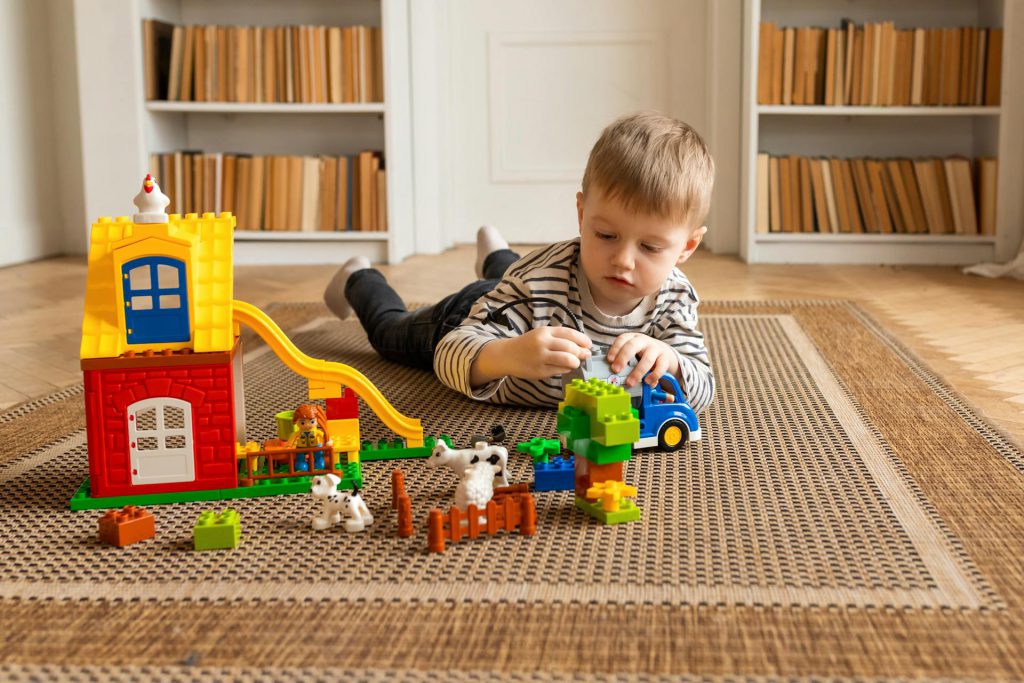
Play Therapy is a dynamic and developmentally appropriate approach to mental health treatment primarily designed for young children, though its principles extend to adolescents and families. The fundamental premise of Play Therapy is that play is the child’s natural language, and toys are their words. Recognizing that children, due to their limited cognitive and verbal development, often lack the abstract language skills necessary to articulate complex feelings, traumatic experiences, or relational conflicts, Play Therapy provides a non-threatening medium for self-expression, communication, and processing. In the safety of the therapeutic relationship, children use toys, art, and dramatic scenarios to externalize their inner world, symbolically re-enact troubling experiences, master difficult emotions, and test out new coping mechanisms. Play is not merely a diversion; it is the child’s primary mode of engagement, learning, and psychological integration. The therapist’s role is to create a therapeutic environment—the Playroom—that is intentionally stocked with materials designed to facilitate the expression of a wide range of emotions and experiences, from nurturing and aggression to mastery and confusion. The efficacy of Play Therapy rests on the therapist’s ability to enter the child’s world of play, establish a trusting, non-judgmental relationship, and utilize specialized techniques to facilitate insight and emotional regulation.
This comprehensive article will explore the historical and developmental foundations of Play Therapy, detail the distinctions between the two dominant theoretical orientations—Directive and Non-Directive—and systematically analyze the core therapeutic processes, including the functions of the playroom environment and the symbolic use of play materials. Understanding these concepts is paramount for appreciating the precision and depth of play as a therapeutic language.
Time to feel better. Find a mental, physical health expert that works for you.
- Historical and Developmental Foundations
The formalization of Play Therapy as a distinct discipline in the 20th century was driven by the recognition that therapeutic methods effective for adults (e.g., intensive talk therapy) were developmentally inappropriate for children whose primary communication and cognitive modality is concrete and action-oriented.
- The Psychoanalytic Pioneers
Early applications of play were rooted in psychodynamic theory, seeing play as a direct, observable window into the child’s unconscious conflicts and intrapsychic world.
- Anna Freud and Play as Observation: Anna Freud utilized play primarily as a tool for observation and establishing rapport, viewing the child’s behaviors in the playroom as providing crucial evidence of their internal conflicts, defense mechanisms, and early relational patterns (transference dynamics). Her approach involved therapeutic preparation and less immediate interpretation, aiming instead at gradual conscious awareness.
- Melanie Klein and Interpretation: Melanie Klein, working from a deep object relations perspective, utilized play as the equivalent of free association in adults. She believed the child’s seemingly spontaneous play directly represented unconscious phantasies and anxiety-producing internal object relations (e.g., splitting, projection). Klein’s technique involved active, immediate, and deep interpretation of the play, linking it directly to the child’s internal world, though this highly directive and interpretative approach is often significantly modified in modern practice to be less intrusive.
- The Developmental Imperative
The shift toward modern Play Therapy models emphasized the inherent developmental necessity of play in achieving psychological and social milestones, moving away from a solely pathology-focused view.
- Piaget and Cognitive Development: Jean Piaget established that play is fundamental to the child’s cognitive development, facilitating learning about the world through sensorimotor and concrete operations. Play Therapy leverages this natural function to allow children to mentally manipulate, experiment with, and master complex, often overwhelming, emotional experiences and relational dynamics.
- Erikson and Psychosocial Stages: Erik Erikson emphasized the role of play in helping the child master psychosocial conflicts. Play is viewed as a natural mechanism for achieving competence and autonomy, helping children practice roles, rehearse coping skills, and solve the stage-specific crises necessary for healthy identity development. The playroom provides a laboratory for testing identity without real-world consequences.
- Dominant Theoretical Orientations
Contemporary Play Therapy practice is broadly categorized into two major orientations—Directive and Non-Directive—with the choice of approach determined by the child’s developmental age, presenting problem, and the specific therapeutic goals.
- Non-Directive Play Therapy (Child-Centered)
Founded by Virginia Axline, drawing heavily from Carl Rogers’ Humanistic (Client-Centered) principles, this approach is characterized by minimal intervention and places maximum responsibility and direction for change on the child.
- Core Theory: The central tenet is that the child possesses an innate, powerful capacity for self-actualization and psychological growth. Distress occurs when this natural drive is blocked by adverse experiences, criticism, or negative self-concept.
- Therapist’s Role: The therapist maintains a highly non-directive, following, and reflective stance, focusing intensely on creating a deeply accepting, non-judgmental, and safe relationship. The therapist tracks the child’s play, verbally reflecting the child’s feelings, actions, and content (e.g., “You seem very angry at that doll for running away,” or “You are drawing that house very carefully”), thereby validating their experience and facilitating self-exploration.
- Mechanism of Change: Change is driven by the child’s absolute freedom to choose and direct the play. The corrective emotional experience of being wholly accepted by the therapist (the relationship itself) is the primary agent of therapeutic change, fostering intrinsic self-worth.
- Directive Play Therapy
Directive models are often highly structured, time-limited, and integrated with other behavioral or cognitive frameworks. They involve the therapist initiating specific play activities or topics.
- Core Theory: These models believe that change is more efficiently achieved by the therapist guiding the child toward pre-determined, measurable therapeutic goals (e.g., reducing aggressive outbursts, improving social skills).
- Examples: Includes Cognitive Behavioral Play Therapy (CBPT), which uses structured play (e.g., drawing a feeling chart, practicing a coping skill with a puppet, role-playing a social scenario) to address specific maladaptive cognitions and behaviors. It also encompasses the structured approach used in Filial Therapy, where the parent is trained to conduct structured, child-centered play sessions to improve parent-child attachment dynamics.
- Therapist’s Role: The therapist takes an active, instructional, or questioning role, suggesting themes, prescribing activities, or asking specific questions designed to elicit information, rehearse emotional regulation skills, or practice new, adaptive behaviors.
Connect Free. Improve your mental and physical health with a professional near you

III. The Playroom and Therapeutic Process
The physical environment of the playroom and the careful, intentional selection of materials are not incidental; they are critical, intentional components that facilitate the core therapeutic processes of Play Therapy.
- The Functions of the Playroom
- Safety and Containment: The playroom is defined as a safe, predictable, and contained world where the ordinary rules of reality are temporarily suspended for the child’s expression. It provides clear physical boundaries and predictable limits, allowing the child to externalize and test out chaos and confusion without fear of real-world punishment or consequences.
- Symbolic Toolkit: The toys are intentionally chosen to represent three categories of expression necessary for processing the human experience: real-life toys (dolls, miniature houses, phones, kitchen sets) to process family and social issues; aggressive toys (swords, plastic soldiers, bop bags) to process anger and aggression; and creative/expressive toys (sand tray, clay, paint) to facilitate spontaneous emotional discharge and symbolic work. This range ensures all emotional needs can be met.
- The Mechanism of Symbolic Expression
- Externalization and Displacement: The child uses the play materials to externalize internal conflicts and displace intense, overwhelming feelings onto toys or characters (e.g., making the monster doll angry or burying the doll family in the sand). This allows the child to observe and gain distance from the emotion.
- Mastery and Competence: Through re-enactment of difficult, confusing, or traumatic events (e.g., repeatedly playing out a doctor’s visit or a parental argument), the child attempts to gain control, predictability, and understanding. The child often changes the narrative or outcome in the play, facilitating a crucial sense of mastery and competence over the experience that was originally overwhelming.
- Boundaries and Limits: The therapist enforces only the essential safety and ethical boundaries (e.g., “You cannot break the toys, and you cannot harm me, but you can be very angry at the toys”). This provision of minimal, predictable limits within a framework of maximal freedom is a key corrective relational experience for children who have experienced chaos or control issues.
Free consultations. Connect free with local health professionals near you.
Conclusion
Play Therapy—A Holistic Path to Childhood Resilience and Integration
The detailed examination of Play Therapy Approaches confirms its profound clinical significance as a developmentally sensitive, relationship-based intervention for children. Play, viewed not as simple recreation but as the child’s natural language and mode of self-expression, provides a safe, symbolic bridge between inner emotional chaos and external mastery. The field is anchored by the Humanistic principles of Non-Directive Play Therapy, emphasizing the child’s innate capacity for self-actualization, and the structured goal-orientation of Directive Play Therapy models. The therapeutic power is generated through the deliberate use of the Playroom as a contained, symbolic environment and the therapist’s capacity to enter the child’s world with empathy and congruence. The core process involves the child using toys to externalize and re-enact overwhelming experiences, thereby gaining control and integrating confusing emotions. This conclusion will synthesize the critical role of symbolic mastery in trauma resolution, detail how the therapist’s tracking and reflection facilitates emotional insight, and affirm the ultimate clinical goal: fostering a coherent sense of self, emotional regulation, and durable resilience in the child.
- Symbolic Mastery and Trauma Resolution
One of the most powerful applications of Play Therapy is its capacity to address traumatic experiences, providing a safe, distanced mechanism for processing material that the child’s cognitive system is not yet equipped to handle verbally.
- The Distancing Power of Symbolism
Trauma overwhelms the child, leaving them in a state of helplessness and fear. Play Therapy allows the child to approach this material indirectly.
- Externalizing the Threat: The child rarely talks about the trauma directly. Instead, they use a doll, an animal figure, or a clay sculpture to represent the frightening event or perpetrator. This act of externalization places the chaos “out there” in the room, where it is no longer an internal, overwhelming threat, but a manageable object.
- Mastery Through Repetition: Children often compulsively re-enact traumatic scenarios in their play (e.g., repeating a crash, a hospitalization, or an argument). Far from being counter-therapeutic, this repetition is the child’s innate drive to regain mastery. In the safety of the playroom, the child can stop the event, change the roles, or alter the ending, giving them a sense of agency and competence that was absent during the original event.
- Affective Discharge: Aggressive toys (swords, bop bags, soldiers) are critical. They provide a safe, socially acceptable channel for the discharge of intense emotions like rage and terror associated with trauma. The therapist sets a clear limit (“You can hit the punching bag, but you can’t hit me”), which models appropriate boundaries and control.
- The Containment Function
The therapist and the playroom function as a secure container for the child’s powerful, often chaotic emotions.
- Holding the Chaos: When the child externalizes highly disorganized or aggressive play, the therapist’s consistent calm, non-judgmental presence acts as a reliable emotional container. The therapist accepts the expressed chaos without reacting punitively or defensively, allowing the child to feel safe enough to continue the processing.
- The Language of Reflection and Insight
In both Directive and Non-Directive approaches, the therapist’s primary communication technique is the precise and timely reflection of the child’s play and emotional state, which is the key mechanism for fostering emotional awareness and insight.
- Tracking and Reflecting Content
The therapist serves as the child’s external ego, helping the child recognize and articulate the underlying meaning of their actions.
- Reflection of Action: The therapist meticulously tracks the child’s actions (“You are putting all the small pieces into that box and closing the lid very tightly”). This helps the child develop self-awareness regarding their intentions and choices in the moment.
- Reflection of Emotion: The most powerful technique is linking the action to the underlying emotion (“You are making the lion roar really loudly, you must be feeling very angry right now”). This crucial step teaches the child the necessary emotional literacy—associating their internal, unnamed feeling state with an external, observable action.
- Reflection of Meaning (Interpretation): In directive or psychoanalytic approaches, the therapist may offer a tentative interpretation of the play’s deeper meaning (“Perhaps the little puppy is hiding because he’s afraid of being separated from his mommy”). This is done cautiously to facilitate insight into the child’s underlying conflict.
- The Corrective Relational Experience
The consistent, non-judgmental acceptance inherent in Play Therapy provides a corrective emotional experience that heals attachment injuries and builds self-worth.
- Unconditional Acceptance: For children who have experienced neglect, criticism, or unpredictable environments, the therapist’s consistent unconditional positive regard acts as a powerful antidote. The child learns that their full range of emotions—even aggression and sadness—is acceptable and can be safely managed within a relationship.
- Internalizing Self-Worth: By reflecting the child’s competence (“You figured out how to fit that piece on your own!”), the therapist helps the child internalize a sense of mastery and self-efficacy, countering feelings of inadequacy or helplessness.
- Conclusion: Fostering Resilience and Integration
Play Therapy is far more than a simple intervention; it is a holistic developmental framework that recognizes and validates the child’s unique way of processing the world. By granting the child the freedom to use play as a symbolic language, therapists provide a controlled environment where the child can externalize, re-enact, and master their most difficult experiences.
The integration of the self is the ultimate outcome, achieved through the systematic process of symbolic expression, emotional regulation through creative discharge, and the internalization of the therapist’s non-judgmental acceptance. Play Therapy transforms the child’s inner world by moving them from a state of emotional fragmentation and distress toward a state of coherence, resilience, and functional competence. It ensures that the emotional wounds of childhood are addressed in the language that the child inherently understands, allowing them to complete their crucial developmental tasks and move forward with confidence and emotional maturity.
Time to feel better. Find a mental, physical health expert that works for you.
Common FAQs
What is the fundamental premise of Play Therapy?
The premise is that play is the child’s natural language, and toys are their words. Since children lack the abstract verbal skills of adults, play provides the primary medium for self-expression, communication, and processing complex feelings, conflicts, and trauma.
Is Play Therapy just playing games?
No. Play in therapy is a deliberate, structured, and intentional process led by a trained professional. It’s the child’s way of engaging in psychological work, using symbolic language to safely externalize and manipulate their inner world.
What is the significance of symbolic expression?
Symbolic expression allows the child to externalize overwhelming feelings or events (like trauma or anger) by displacing them onto toys or characters (e.g., a doll or a monster). This creates a safe psychological distance necessary for processing the emotion without being flooded by it.
How does Play Therapy address trauma?
It facilitates symbolic mastery. Children often re-enact traumatic scenarios in play to gain a sense of agency and control over an experience where they were originally helpless, often altering the narrative to achieve a more favorable outcome.
Common FAQs
What is the main difference between Non-Directive and Directive Play Therapy?
Non-Directive (Child-Centered) models (based on Axline/Rogers) place responsibility on the child, with the therapist reflecting and following the play to foster self-actualization. Directive models (like CBPT) involve the therapist guiding or prescribing specific play activities to achieve pre-determined, structured goals.
What is the primary agent of change in Non-Directive Play Therapy?
The therapeutic relationship itself. The child experiences the corrective emotional experience of being wholly accepted and validated by the therapist (unconditional positive regard) in a non-judgmental environment.
What is the role of the therapist when a child plays aggressively?
The therapist maintains a calm, non-judgmental presence to act as an emotional container. They set clear, predictable safety limits (e.g., “You can hit the punching bag, but you cannot hit me or break the window”) to model control and boundaries while allowing for necessary affective discharge.
What is the purpose of the therapist's reflection?
The therapist reflects the child’s actions, feelings, and content (e.g., “You sound very angry at that doll”). This helps the child develop emotional literacy and self-awareness, linking their internal feeling states to their external behavior.
Common FAQs
What is the function of the Playroom?
It is a safe, predictable, and contained world where the child can express chaos and confusion without fear of real-world consequences or punishment. It provides a structured space for maximal freedom of expression.
Why are toys categorized in the playroom?
Toys are intentionally chosen to represent three avenues of expression: real-life toys (dolls, houses) for processing relational issues; aggressive toys (swords, punching bags) for emotional discharge; and creative/expressive toys (sand, paint) for symbolic work.
What is Externalization in the playroom?
Externalization is the process of displacing an overwhelming feeling or conflict from the child’s inner world onto an object or character in the play (e.g., “The puppet is sad, not me”). This provides psychological distance and allows the child to safely observe the emotion.
What is the ultimate goal of Play Therapy?
The ultimate goal is to foster emotional regulation, integration of the self, and durable resilience by helping the child move from a state of emotional fragmentation and distress to one of coherence and functional competence.
People also ask
Q: What is play therapy for children?
Q:What are the 5 stages of play therapy?
Q: What is an example of play therapy for children?
Q: What are the 4 phases of play therapy?
NOTICE TO USERS
MindBodyToday is not intended to be a substitute for professional advice, diagnosis, medical treatment, or therapy. Always seek the advice of your physician or qualified mental health provider with any questions you may have regarding any mental health symptom or medical condition. Never disregard professional psychological or medical advice nor delay in seeking professional advice or treatment because of something you have read on MindBodyToday.
Share this article

Let us know about your needs

Quickly reach the right healthcare Pro

Message health care pros and get the help you need.
Popular Healthcare Professionals Near You
You might also like

What is Face Your Fear and…
, What is Exposure Therapy for Anxiety?Everything you need to know Find a Pro Facing the Fear Monster: A Simple […]

What is Psychodynamic Therapy Explained Guide?
, What is Psychodynamic Therapy Principles? Everything you need to know Find a Pro Digging Deeper: A Simple Guide to […]

What is DBT Therapy Made Simple…
, What is Dialectical Behavior Therapy (DBT) ? Everything you need to know Find a Pro Navigating the Storm: Understanding […]

