
What is Healing Trauma with Somatic Experiencing?
Everything you need to know
Beyond Talking: Healing Trauma with Somatic Experiencing (SE)
If you’re reading this, you’re likely on a journey of healing. Maybe you’ve spent years in traditional talk therapy, telling your story, understanding why you feel anxious or depressed, but still feeling stuck. You know the history, you know the logic, but your body still clenches up when the phone rings, or you still freeze when conflict arises.
There’s a crucial reason for that, and it has nothing to do with you failing at therapy. It has everything to do with the fact that trauma is not just a story you tell; it’s an event that gets physically stuck in your nervous system. Your mind might have processed the event, but your body is still reacting as if the danger is present.
This is where Somatic Experiencing (SE) comes in.
Somatic Experiencing, developed by Dr. Peter Levine, is a profound, gentle, and often life-changing approach that focuses on the body’s felt sense to heal trauma. It is rooted in understanding the biological function of stress. It helps you complete the natural cycle of fight, flight, or freeze that was interrupted during a traumatic event. It’s about letting your body finish what it instinctively started but couldn’t complete.
This article is for you, the everyday person seeking deeper healing. We’ll break down what Somatic Experiencing is, why it works when words alone don’t, and what it actually looks and feels like in a session.
Time to feel better. Find a mental, physical health expert that works for you.
The Core Idea: Trauma Isn’t Psychological, It’s Physiological
To understand SE, we need to understand trauma from a biological and evolutionary perspective. Trauma is essentially a biological injury to the nervous system.
The Animal in Us: The Survival Response
Our stress response system, known as the autonomic nervous system (ANS), is ancient and brilliant. It’s designed to mobilize enormous amounts of energy instantly to ensure our survival. The ANS has two main branches that relate to trauma:
- Sympathetic Nervous System (The Accelerator): The “fight or flight” response. It releases adrenaline and cortisol, pumps blood to the limbs, increases heart rate, and gets the body ready for maximum effort.
- Parasympathetic Nervous System (The Brake/Freeze): While it usually helps us rest and digest, under extreme, unavoidable threat, the system initiates a deep, protective freeze—the body goes numb and becomes immobile (dissociation).
Imagine a prey animal, like a gazelle, being chased by a cheetah. This is a life-threatening, traumatic event for the gazelle.
- Mobilization: The gazelle engages the sympathetic system and runs (flight).
- Freeze: If the cheetah catches the gazelle, the gazelle’s body goes into that immediate, protective, catatonic state. This isn’t weakness; it’s a brilliant, natural survival mechanism (a deep freeze) that disconnects the gazelle from the full horror and pain of the attack.
- Release: If, by some chance, the cheetah gets distracted and the gazelle escapes, the gazelle doesn’t just trot off. It will run to a safe place, and its body will start to tremble, shake, twitch, and take deep, ragged breaths. This is the body discharging the massive amount of survival energy (adrenaline and cortisol) that was mobilized but unused. Once the trembling stops, the gazelle is fine. It has physically released the trauma.
The Human Difference: The Interrupted Cycle
Humans have the same biological survival instincts, but we also have a large, highly developed neocortex (the thinking, logical brain).
When something terrifying happens to us, our thinking brain often intervenes: “I shouldn’t cry,” “I need to be strong,” “I must not make a scene.” We use social constraints and self-judgment to suppress the natural release—we hold in the shaking, trembling, or crying because we’re in public, we feel shame, or we are afraid of the intensity.
When we suppress that energy, it doesn’t just disappear. It gets trapped in our nervous system, essentially leaving the sympathetic “accelerator” pressed and the parasympathetic “brake” slammed down at the same time. This constant physiological conflict—a system perpetually stuck in an alarm state—is the basis of chronic trauma symptoms.
- The Trapped Energy Manifests as: Chronic anxiety, hypervigilance (always scanning for danger), chronic pain, intense anger, panic attacks, or profound fatigue and emotional numbness.
Somatic Experiencing’s Goal: To help your body complete that interrupted cycle—to tremble, shake, sweat, or sigh in a safe, controlled way—to release the trapped survival energy without needing to re-live the terrifying event itself.
The Techniques: What Happens in an SE Session?
An SE session looks and feels very different from traditional talk therapy. It is slow, gentle, and highly focused on the body. You will often sit facing your therapist, rather than lying down or sitting side-by-side, to facilitate a feeling of safety and connection.
-
Titration: Micro-Doses of Sensation
The biggest danger in trauma work is re-traumatization—overwhelming the system by going too fast or too deep. SE avoids this through a technique called Titration, which is like giving yourself micro-doses of the difficult material.
- In Practice: The therapist will help you recall the traumatic event, but only to identify a small, manageable piece of sensation related to it. For example, instead of describing the entire car crash, you might be asked to focus on the feeling of tightness in your shoulders when you think about it.
- The Goal: You only focus on the sensation for a few seconds—just enough to feel it—before the therapist guides you back to a feeling of calm. This ensures your system never becomes flooded or overwhelmed. The process is slow, deliberate, and always client-led.
Connect Free. Improve your mental and physical health with a professional near you

-
Pendulation: The Rhythmic Swing to Safety
Healing involves learning to tolerate difficult sensations, and SE uses a technique called Pendulation to teach this tolerance. Pendulation is the rhythmic shift between the uncomfortable feeling (the trauma-related sensation) and a comfortable, resourced feeling.
- Finding Resources: A resource is anything that brings you a sense of calm, safety, or pleasure in the present moment. This could be the feeling of your feet on the floor, the neutral temperature of your hands, the memory of a loved one, the warmth of the sun on your skin, or a neutral place in your body that feels relaxed (like the tip of your nose).
- The Swing: When you feel the tightness in your shoulders (the trauma), the therapist quickly guides you to your resource (“Now, put your attention on the feeling of your feet on the floor. Notice the weight. Notice the solidness. How does that calm feel contrast with the shoulder tightness?”).
- The Benefit: By swinging back and forth, you teach your nervous system that the unpleasant sensation is not permanent, and you have the capacity to return to safety and regulation. You prove to your body that discomfort is temporary and that your body can self-regulate.
-
Tracking the Felt Sense (Sensing and Feeling)
The core communication tool in SE is the felt sense—the physical sensation of an emotion or memory in your body. This is distinct from just saying, “I feel nervous,” which is an interpretation.
- In Practice: The therapist will guide your attention using questions like: “What do you notice in your body right now? What are the physical sensations?” You might respond: “I feel heat in my chest,” “My stomach is fluttering,” or “My hands feel tingly and large.”
- The Emphasis: The therapist encourages you to stay with the sensation without judgment or trying to explain it logically. They are looking for the biological clues—a slight tremor, a blush, a yawn, a deep sigh—that signal the trapped energy is ready to move. This level of internal awareness is what allows the body to complete the survival cycle.
-
Facilitating Discharge: The Release
The goal of titration and pendulation is to safely access the trapped energy so it can be discharged—the equivalent of the gazelle shaking off the adrenaline.
- What it Looks Like: In a safe SE session, as the trapped energy mobilizes, you might experience:
- Involuntary movements: Twitching, trembling, shaking, or slight rocking.
- Temperature changes: Suddenly feeling hot or cold, sweating, or chills.
- Vocalization: Deep sighs, involuntary yawns, stomach gurgling, or a deep release of breath.
- The Therapist’s Role: The therapist keeps the process slow and contained, ensuring the discharge happens in small, digestible amounts. They normalize these physical releases, often saying, “That’s it, let your body shake that off,” or “Notice that deep breath you just took—that’s your nervous system settling.” This is the moment of deep, physiological healing.
What Somatic Experiencing is NOT
It’s important to clarify the boundaries of SE so you know what to expect:
- It is NOT Talk Therapy: While you may talk about your life and your history, the focus is always brought back to the body’s sensations. You are not required to tell the story or recount painful details chronologically. In fact, SE often works best by focusing on the sensation without the detailed narrative, protecting you from re-traumatizing yourself.
- It is NOT Bodywork or Massage: SE is a talking therapy that happens while sitting or sometimes standing. The therapist will not physically touch you unless specifically invited, and only for the purpose of grounding (e.g., placing a hand on your shoulder for connection, with your consent).
- It is NOT Vague Mindfulness: While it uses body awareness, SE is a specific, evidence-based modality with a clear protocol aimed at regulating the autonomic nervous system. It has clear, measurable goals related to reducing hyperarousal and increasing resilience.
Stepping Into Embodied Healing
Somatic Experiencing is an invitation to listen to your body—the wise, protective vessel that carried you through your toughest experiences. It teaches you that your symptoms (anxiety, freezing, pain) are not flaws, but the sound of your biology stuck in survival mode.
By engaging in SE, you learn to trust the wisdom of your instincts, safely release the stored energy of the past, and ultimately, reclaim your body as a safe, calm home. When your body finally settles, your mind naturally follows, freeing you from the constant, exhausting hypervigilance of trauma.
Healing in SE is often described as feeling more present, more solid, and simply more at ease in the world. It’s a profound shift from surviving to truly living.

Free consultations. Connect free with local health professionals near you.
Conclusion
Reclaiming Your Body as a Safe Home Through Somatic Experiencing
You have journeyed through the core concepts of Somatic Experiencing (SE), moving from the understanding that trauma is not a psychological flaw, but a physiological freeze. This conclusion synthesizes the key insights, focusing on the profound shift SE offers: the ability to move from a state of constant survival to a state of calm, regulated presence. Ultimately, SE is about listening to the deep, protective wisdom of your body and guiding it back to safety.
The Biological Imperative: Completing the Survival Cycle
The most vital principle of SE is acknowledging that your current symptoms—be it chronic anxiety, sudden flares of anger, or overwhelming numbness—are simply the sound of trapped survival energy.
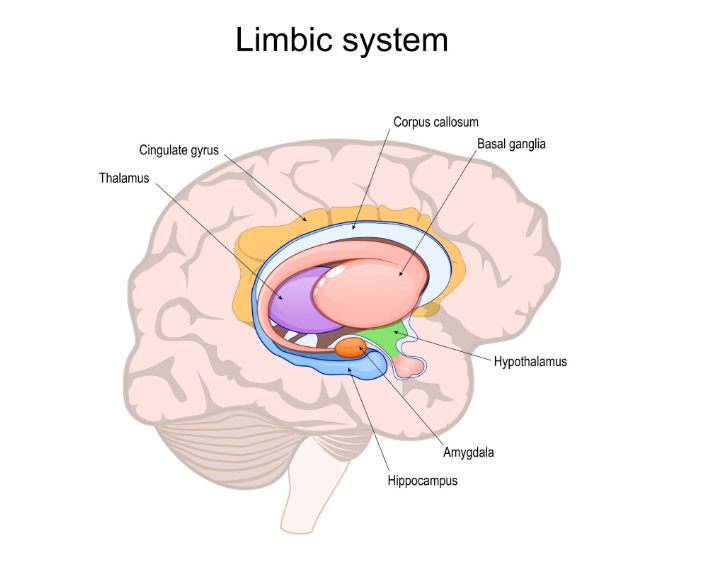
Your body, designed perfectly for survival, mobilized massive resources (adrenaline, rapid heart rate) to fight or flee a past threat. When you couldn’t complete that action, the energy didn’t vanish; it became stored, creating a perpetual state of “accelerator and brake” simultaneously engaged in your nervous system.1
|
Trauma’s Impact on the Body |
Somatic Experiencing’s Goal |
|---|---|
|
The sympathetic system (fight/flight) is stuck ON. |
Facilitate the safe discharge of trapped energy (trembling, heat). |
|
The parasympathetic system (freeze/numbness) is stuck ON. |
Increase body awareness and encourage gentle movement out of the freeze state. |
|
The body perceives the present as unsafe. |
Teach the nervous system that the danger is over and that the body can self-regulate. |
By working with the body’s felt sense—the heat, the tingling, the slight tremor—you give the body the opportunity to perform the necessary, natural release that was denied in the moment of trauma. This is not re-traumatization; it is completion.
The Method of Safety: Titration and Pendulation
The genius of Somatic Experiencing lies in its commitment to safety. Unlike some approaches that might encourage catharsis or deep diving into memory, SE uses slow, deliberate techniques to ensure the system is never overwhelmed. This prevents the very thing trauma victims fear most: being flooded and losing control.
Titration: The Micro-Dose of Healing
Titration—working in tiny, manageable increments—ensures that the healing process is gentle and cumulative.2 You are not forced to confront the whole memory. Instead, the focus is on a single, contained sensation related to the event, such as a tightness in the jaw or a coldness in the hands.
The therapist manages the “dose” meticulously: you focus on the tension for a moment, just enough to feel it, and then immediately shift to safety. This prevents the tension from escalating into a full-blown panic attack. This is a profound act of control, teaching your system that you are the one in charge of the healing pace.
Pendulation: Proof of Safety
The concept of Pendulation is the rhythmic swing between the difficult (trauma-related) sensation and a resource (a feeling of safety, calm, or pleasure). This resource can be external (the supportive chair, the light in the room) or internal (the warmth in your core, the solidness of your feet on the floor).3
By constantly guiding your attention from the area of tension to the area of calm, you are literally training your nervous system to be resilient. You prove that:
- Discomfort is temporary.
- Safety is always accessible.
- Your system can manage the transition back to calm.
This constant return to safety builds a powerful new neural pathway, replacing the old, stuck pathway of danger.
The Language of the Body: Tracking the Felt Sense
In SE, the felt sense is the primary source of information. It is the language of the nervous system. As a client, you learn to shift your attention from the narrative (“He made me feel sad”) to the physical sensation (“I notice a hollow feeling in my chest and my hands are very still”).
This skill, called tracking, is essential because the body gives subtle clues—a slight tremor, a yawn, a deep breath—when the stored energy is beginning to mobilize and ready for release.4 A trained SE therapist will listen for these tiny signals and gently encourage them:
- “Stay with the warmth in your stomach for a moment.”
- “I notice your shoulders relaxed a little; what does that feel like?”
- “That deep sigh—that’s your body letting go of some tension.”
This allows the healing to be organic and instinctual. When the trapped energy finally discharges through small, involuntary movements (trembling, sighing), the relief is deep and lasting because it is a biological, physiological completion, not just a mental understanding.5
Reclaiming Your Body and Your Life
Somatic Experiencing is about empowerment.6 It teaches you that your body is not the enemy, but the wise messenger. Your symptoms are not signs of brokenness, but evidence of an incomplete survival response.7
By learning to listen to your body’s subtle language, you gain the ability to self-regulate outside of the therapy room. When anxiety starts to spike, you learn to track the sensation, find a resource (like the grounding of your feet), and gently pendulate yourself back to calm.
The deep work of SE results in a profound shift from a state of constant hypervigilance (always on guard) to a state of resilience (the ability to bounce back quickly). You learn to live in a body that feels solid, present, and safe—a home you can finally trust.
Somatic Experiencing is not just therapy; it’s a re-education of your instincts, restoring your biological birthright to flexibility and freedom from the constant grip of past trauma.
Time to feel better. Find a mental, physical health expert that works for you.
Common FAQs
If you’re considering Somatic Experiencing, it’s normal to have questions about this unique approach that prioritizes the body. Here are clear, simple answers to the most common questions about SE.
What is the single most important idea in Somatic Experiencing (SE)?
The most important idea is that trauma is stored as trapped energy in the nervous system, not just as a bad memory in the mind. When you face an overwhelming threat, your body mobilizes massive survival energy (fight or flight). If that energy isn’t discharged (through shaking, crying, or moving), it gets stuck. SE helps the body safely release that trapped energy to complete the survival cycle, which resolves the trauma symptoms.
Why does SE focus on the body instead of the story?
SE focuses on the body because the core effects of trauma—like hypervigilance, anxiety, or numbness—are physiological survival responses, not logical failings. Your mind may know the event is over, but your autonomic nervous system (ANS) still believes it’s in danger. By focusing on the body’s sensations (the felt sense), SE speaks directly to the ANS, allowing the body to settle and finally recognize that it is safe in the present moment.
Do I need to talk about the trauma in detail to heal through SE?
No. One of the great benefits of SE is that you do not have to re-tell or re-live the entire traumatic narrative. In fact, SE often works best when the focus is kept on the physical sensations in your body related to the event, rather than the emotional or chronological story. This protects you from re-traumatization while still allowing the body to discharge the energy associated with the event.
Is SE only for severe trauma like war or abuse?
No. While SE is highly effective for complex and severe trauma; it is also beneficial for what are often called “small-t” traumas. This includes:
- Falls and accidents (car crashes, bike accidents).
- Medical or dental procedures.
- Natural disasters or financial loss.
- Emotional neglect or relationship difficulties.
- Chronic stress or overwhelm. Any event that overwhelms your capacity to cope and leaves you feeling helpless can create trapped survival energy.
Common FAQs
Techniques and Practice
What is the "felt sense," and how do I track it?
The felt sense is the physical experience of an emotion, memory, or instinct in your body. It is the language of the nervous system.
- Example: Instead of saying, “I feel afraid” (an emotion), you track the felt sense by saying, “I feel a hollow churning in my stomach,” or “I notice a tight band of pressure across my forehead.” The therapist will guide you with questions like, “What do you notice in your hands right now?” or “Where in your body do you feel the lightness?”
What are Titration and Pendulation?
These are the two core safety techniques in SE:
- Titration: Working in micro-doses. The therapist helps you focus on a very small, manageable piece of sensation (a tiny bit of the tension) and then immediately shifts the focus back to safety. This ensures your system is never overwhelmed or flooded.
- Pendulation: The rhythmic swing between the uncomfortable, trauma-related sensation (the tension) and a feeling of safety or resource (the calm). This teaches your nervous system that you have the capacity to return to comfort, building resilience and regulation.
What happens when the energy is "discharged" in a session?
Discharge is the body’s natural way of releasing the trapped survival energy. In a safe, contained session, this might look like:
- Involuntary movements: Gentle trembling, shaking, or twitching (like the gazelle shaking off adrenaline).
- Temperature changes: Sudden chills or hot flashes.
- Deep vocalizations: Big yawns, deep sighs, burping, or stomach gurgling. The therapist recognizes these as signs of healing and will normalize them, encouraging the body to continue the release slowly and safely.
How long does SE take to be effective?
Since SE focuses on the nervous system, change can sometimes be felt quickly—often within the first few sessions—as you learn how to resource and regulate your system. Full resolution of complex trauma is a gradual process. The duration varies greatly depending on the type and duration of the trauma, but clients typically experience increased resilience and a significant reduction in chronic symptoms like anxiety and hypervigilance over the course of several months of consistent work.
Common FAQs
Logistics and Effectiveness
Can I do SE if I am already taking medication for anxiety or depression?
Yes, absolutely. SE works on the physiological level of the nervous system and complements medication very well. Medication can help manage the symptoms, while SE works to resolve the underlying physiological disruption of the trauma, leading to long-term regulation.
Can I do SE via video call (telehealth)?
Yes. SE can be highly effective via video call. The core techniques of tracking the felt sense, pendulation, and resourcing are all done verbally, visually, and perceptually. The therapist will guide you to notice sensations, posture, and even micro-movements (like a twitch in your eye) visible on screen, and they will help you use objects or feelings in your immediate environment as external resources for grounding.
People also ask
Q: What is the somatic approach to healing trauma?
A: Although some therapies address trauma, somatic therapy specifically targets how trauma is held in the body, aiming to release it through physical and emotional processing. It often involves mindfulness and present-moment awareness, helping you be more attuned to bodily sensations and emotions.
Q:What are the levels of SE training?
A: The Somatic Experiencing training program is split into three levels: Beginning, Intermediate, and Advanced. Each level takes roughly a year to complete, with training modules taking place over four days, three times per year. This totals to 12 days of training each year, or 36 days for the entire program.
Q: What are the 5 phases of healing trauma?
A: The five stages of healing from trauma are the Emergency Stage (immediate survival), the Denial Stage (emotional numbing), the Intrusive Stage (flashbacks and emotional pain), the Transition Stage (active acceptance and starting therapy), and the Long-Term Recovery Stage (consistent management and growth).
Q:What are the 4 stages of trauma recovery?
A: However, most people will need to work through four basic stages of trauma healing at one point or another. These include safety and stabilization, remembering and grief, reconnecting and integrating, and consolidation and resolution.Jun 24, 2025
NOTICE TO USERS
MindBodyToday is not intended to be a substitute for professional advice, diagnosis, medical treatment, or therapy. Always seek the advice of your physician or qualified mental health provider with any questions you may have regarding any mental health symptom or medical condition. Never disregard professional psychological or medical advice nor delay in seeking professional advice or treatment because of something you have read on MindBodyToday.
Share this article

Let us know about your needs

Quickly reach the right healthcare Pro

Message health care pros and get the help you need.
Popular Healthcare Professionals Near You
You might also like

What is Face Your Fear and…
, What is Exposure Therapy for Anxiety? Everything you need to know Find a Pro Facing the Fear Monster: A […]

What is Psychodynamic Therapy Explained Guide?
, What is Psychodynamic Therapy Principles? Everything you need to know Find a Pro Digging Deeper: A Simple Guide to […]

What is DBT Therapy Made Simple…
, What is Dialectical Behavior Therapy (DBT) ? Everything you need to know Find a Pro Navigating the Storm: Understanding […]