Finding Harmony Within: A Simple Guide to Music Therapy Interventions
Hello! If you’re exploring therapy, you know that healing doesn’t always have to look like talking on a couch. Sometimes, the most powerful paths to well-being involve creativity, movement, and expression. Today, we’re diving into a fascinating and incredibly effective field: Music Therapy.
You don’t need to be a musician, have a “good” singing voice, or even know how to read music to benefit. Music therapy is about using music as a tool—a dynamic and flexible intervention—to help you achieve non-musical goals, whether those goals are reducing stress, managing pain, expressing difficult emotions, or improving your communication and relationships.
Think of your certified music therapist (MT-BC) as a professional guide who speaks the universal language of rhythm and melody. They use specific, clinical techniques, called interventions, to help you find your voice, soothe your nervous system, and explore your inner world safely. This structured use of music is what elevates it from simply listening to music for pleasure to a clinical therapeutic modality.
This article is for you, the everyday therapy customer. We’ll explore what music therapy is, how it works with your brain and body, and the most common, powerful techniques you might encounter in a session.
Time to feel better. Find a mental, physical health expert that works for you.
What is Music Therapy, Really?
Music Therapy is the clinical and evidence-based use of music interventions to accomplish individualized goals within a therapeutic relationship by a credentialed professional. It is much more than just playing calming music; it is a specialized field that addresses cognitive, emotional, social, and physical needs.
The simplest way to understand it is that music serves as the bridge between your feelings and your awareness, or between your thoughts and your voice, especially when verbal communication is difficult or overwhelming.
Why Music Works So Deeply in the Brain
Our brains are intricately wired for music. When you listen to, create, or respond to music, several powerful things happen across different brain regions:
- It’s a Direct Line to Emotion and Memory: Music bypasses the logical, language-based part of your brain (the cortex) and goes straight to the limbic system, which includes the amygdala (emotion center) and the hippocampus (memory center). This is why a song from your past can instantly flood you with feeling or a melody can calm your anxiety even when words fail. This access to deep, often non-verbal memories is highly valuable in therapy.
- It Provides Structure and Prediction: Music offers predictable rhythm and harmony. If your life feels chaotic or overwhelming, the predictable structure of music provides a safe, organized container for disorganized feelings. The act of anticipating the next beat or chord is inherently regulating.
- It’s Non-Verbal Expression: Sometimes, words aren’t enough. How do you describe the numbness of depression, the shock of trauma, or intense, inexpressible joy? Music gives you a non-threatening, universally understood way to express these complex internal states without having to articulate them perfectly in language.
In music therapy, the therapist chooses specific interventions based on your goals, categorized into four main areas of music engagement: Receptive, Recreative, Compositional, and Improvisational.
The Four Categories of Music Therapy Interventions
Most techniques fall into one of these four foundational areas of music engagement.
- Receptive Interventions (Listening)
This involves listening to live or recorded music, with the goal of evoking a specific emotional or physiological response. This is often used for stabilization, deep relaxation, or accessing specific memories.
Guided Imagery and Music (GIM)
- What it is: This is a highly specialized, deep-dive form of receptive therapy. You lie down and listen to carefully selected sequences of recorded classical music while being guided by the therapist (who speaks minimally) to access, explore, and process imagery, symbols, memories, and emotions that surface from the music.
- How it helps: It allows for deep, unconscious material to surface and be processed in a protected setting. It is often used for trauma work, deep self-exploration, and spiritual growth. The music acts as a non-verbal narrative or map of your inner world, allowing you to confront difficult material indirectly.
Music-Assisted Relaxation and Entrainment
- What it is: Listening to calming, rhythmically steady music to slow your heart rate, regulate breathing, and reduce muscle tension. Entrainment is the process where the body naturally synchronizes its internal rhythms (like heart rate) to external, slower musical rhythms.
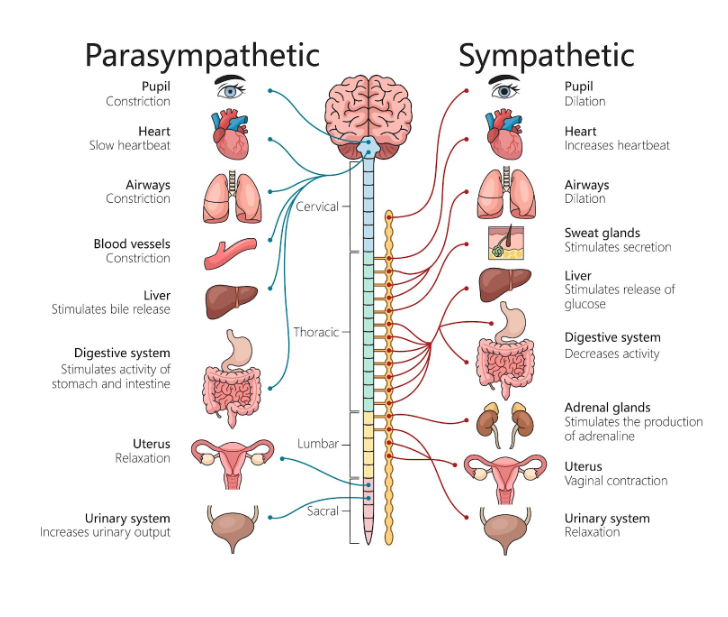
- How it helps: It directly influences the autonomic nervous system (ANS), shifting it from the sympathetic (stress/fight-or-flight) state to the parasympathetic (rest and digest) state. Your therapist might play music specifically calibrated to a calming tempo (around 60-80 beats per minute) to facilitate this physical change.
- Recreative Interventions (Performing or Rehearsing)
This involves performing pre-composed songs, either by singing, playing an instrument, or moving. The focus is on the act of engaging with existing music.
Instrument Playing and Singing
- What it is: Playing a simple instrument (like drums, shakers, xylophones, or keyboards) or singing established songs with the therapist. The selection of the song or instrument is never random; it’s carefully chosen based on its emotional content or rhythmic pattern.
- How it helps:
- Emotional Release: Performing an energetic song might provide a safe outlet for anger or anxiety.
- Motor and Cognitive Skill Building: For some, learning to play a pattern on a drum can improve focus and coordination.
- Shared Experience: Singing a familiar song can be deeply validating and build connection with the therapist or in a group.
Song Reminiscence and Lyric Analysis
- What it is: You and your therapist select a song that holds significant personal meaning. You may listen, sing it, or analyze the lyrics line-by-line.
- How it helps: This technique can unlock memories (especially in older adults) and provide language for feelings that were previously too difficult to talk about. By analyzing someone else’s lyrics, you gain psychological distance, making it safer to discuss your own experience of loss, love, or conflict through the filter of the song’s story.
Connect Free. Improve your mental and physical health with a professional near you
- Compositional Interventions (Creating)
This involves writing or creating original music. This is a highly active and expressive intervention often used when individuals are ready to actively process and integrate their experiences.
Songwriting
- What it is: Writing original lyrics, melodies, or instrumental pieces. You might write a song about a current struggle, a past trauma, or a future goal. The therapist acts as a supportive co-writer, helping structure the creative expression.
- How it helps:
- Creating a Narrative: Writing a song about a chaotic or traumatic event allows you to create a coherent narrative for the experience, organizing disorganized thoughts and feelings and giving you a sense of mastery over the story.
- Goal Clarification: Writing lyrics about your ideal life or goals can clarify values and build motivation for change.
- Grief and Legacy: Creating music for a lost loved one can be a profound, lasting way to express unresolved grief and honor their memory.
Creating Soundscapes or Musical Stories
- What it is: Using instruments, voice, and found sounds to create a piece of music that tells a specific non-verbal story (e.g., “the sound of my anxiety,” or “the story of my journey through recovery”).
- How it helps: It allows for metaphorical expression. If you can’t describe the feeling of being overwhelmed, you might use clashing cymbals and irregular rhythms to create the sound of chaos. This provides a concrete, shared language for the therapist to understand your internal state.
- Improvisational Interventions (Making It Up)
This is perhaps the most unique and spontaneous type of music therapy. It involves creating music spontaneously with your therapist, often using simple percussion instruments, without any prior plan or structure.
Free Musical Improvisation
- What it is: You and your therapist select instruments (perhaps you choose the drum, they choose the shakers) and simply start playing whatever comes to mind, without rules or judgment.
- How it helps:
- Relationship Exploration: The way you play with the therapist often mirrors your real-life relationship patterns. Do you dominate the rhythm? Do you constantly try to match their melody? Do you wait for the therapist to lead? By observing this “musical conversation,” you and the therapist gain direct insights into how you interact with others, providing material for later verbal discussion.
- Expression of Conflict: You can safely “fight” with the therapist musically using sharp, loud, conflicting rhythms, allowing you to express suppressed aggression or conflict without verbal harm.
- Building Coherence: The therapist often helps bring order and structure to chaotic improvisation, modeling how to find harmony and coherence even in moments of emotional discord or conflict, which can be generalized to real life.
The Healing Power of Regulation
One of the most powerful and practical uses of music therapy is its ability to directly influence your autonomic nervous system (ANS)—the body’s control center for unconscious actions like heart rate, breathing, and stress response.
A music therapist uses specific musical elements to physically shift you from sympathetic (stress/alert) to parasympathetic (calm/rest) dominance:
- Tempo (Speed): Your therapist might start with a tempo matching your current anxious state (fast) and gradually slow it down to encourage your body to follow.
- Rhythm: Predictable, repetitive rhythms are grounding and soothing.
- Harmony: Simple, consonant (harmonious) music is relaxing; dissonant (clashing) music can be used to express internal tension before moving toward resolution.
By consciously manipulating these elements, the therapist can help you achieve emotional regulation—the ability to manage and respond appropriately to your feelings, rather than being hijacked by them.
What to Expect and How to Begin
If you’re considering music therapy, here’s what you should know:
- Talent is Irrelevant: The therapy is about process, not product. Your therapist is observing how you interact with the music to understand your internal life better.
- It’s Goal-Oriented: Everything in the session is tied back to your therapeutic goals (e.g., “reduce my panic attacks,” “process my grief,” or “feel more confident speaking up”).
- It Can Be Used with Other Therapy: Music therapy often works seamlessly alongside traditional talk therapy, providing a deeper pathway for emotional expression and cognitive change.
Music therapy offers a supportive, creative, and scientifically grounded way to bring harmony back into your life, providing access to emotions and memories that the spoken word sometimes guards too closely.
Free consultations. Connect free with local health professionals near you.
Conclusion
Part 1: Detailed Interventions in Music Therapy
Hello! If you are considering or curious about Music Therapy, you are exploring a powerful, non-verbal path to healing. Music Therapy is the clinical and evidence-based use of music to achieve individual therapeutic goals. It is a highly specialized field, and this article will detail the four main intervention categories a board-certified music therapist (MT-BC) uses to help clients achieve their goals.
- The Mechanism: Why Music is So Effective
Music is universally effective because it bypasses the cognitive barriers that often block verbal therapy.
The sound waves processed by your ears are sent directly to the limbic system in your brain—the center of emotions, memory, and motivation—before they reach the cortex (the language and logic center). This direct route explains why music can instantaneously evoke deep feelings or memories. Furthermore, music provides structure and predictability (rhythm and harmony), which is inherently regulating for a nervous system often stuck in chaos due to stress or trauma. The therapeutic goal is to leverage this direct line to the nervous system and the emotions.
- The Four Pillars of Music Therapy Interventions
Music therapy interventions are systematically categorized based on how the client engages with the music. The therapist selects the category and specific technique based on the client’s therapeutic goals (e.g., reducing anxiety, processing trauma, improving communication, or developing motor skills).
- Receptive Interventions (Listening)
These techniques involve the client listening to live or recorded music to achieve a specific emotional or physiological goal.
- Guided Imagery and Music (GIM): This is a specialized and intensive form of receptive therapy. The client is guided to listen to sequences of classical music carefully selected for their emotional arc. The therapist helps the client access and explore imagery, memories, feelings, and symbols that the music evokes. The music acts as a non-verbal catalyst, allowing deep, often unconscious, material to surface and be safely processed. This is particularly valuable for trauma work and deep self-exploration, where verbal description might be too difficult.
- Music-Assisted Relaxation and Entrainment: This involves listening to music specifically chosen for its rhythmic and harmonic properties. The primary goal is physiological regulation. The therapist utilizes the principle of entrainment, which is the body’s natural tendency to synchronize its internal rhythms (like heart rate and brain waves) with external rhythmic stimuli. By using slow, steady tempos (often 60–80 beats per minute) and consonant harmonies, the therapist helps shift the client’s autonomic nervous system (ANS) from the sympathetic (stress/fight-or-flight) state to the parasympathetic (calm/rest-and-digest) state. This is a foundational technique for managing anxiety and acute stress.
- Recreative Interventions (Performing or Rehearsing)
This category involves performing existing music, either by singing, playing an instrument, or moving. The focus is on the emotional and cognitive benefits derived from recreating the musical structure.
- Instrument Playing and Singing: The therapist and client perform established songs together, often using simple instruments like shakers, xylophones, or guitars. This helps improve motor skills, enhance cognitive functions (like attention and sequencing), and facilitate emotional release. The choice of song is deliberate; singing a powerful, known song can provide immediate access to feelings like sadness or determination without the client having to generate the words themselves.
- Song Reminiscence and Lyric Analysis: This technique involves choosing a song with strong personal significance to the client. The client analyzes the lyrics line-by-line, often uncovering suppressed memories or finding an external voice for their own pain. This technique offers psychological distance; it is often easier to discuss the heartbreak in a song’s lyrics than to directly confront one’s own heartbreak, making it highly effective for breaking through emotional blocks. This is also a staple in geriatric care, as musical memory remains robust even when verbal memory deteriorates.
- Compositional Interventions (Creating)
This is an active, expressive intervention where the client creates new music, lyrics, or sound pieces. This is often used when the client is ready to actively integrate and assert mastery over their experiences.
- Songwriting: The client writes original lyrics, melodies, or instrumental pieces with the therapist acting as a co-writer or facilitator.
- Therapeutic Value: Songwriting allows the client to create a coherent narrative for chaotic or traumatic experiences. By structuring the event into verses and choruses, the client gains control over the story, moving from the identity of a victim to that of a survivor who can articulate and shape their experience. It is a powerful tool for grief work, trauma processing, and identity clarification.
- Creating Soundscapes or Musical Stories: The client uses instruments, voice, and ambient sounds to create a piece of music that represents a feeling or a non-verbal concept (e.g., “the sound of my panic attack” or “a day at home”). This technique utilizes metaphorical expression. If a client cannot describe their intense loneliness, they can create a piece using sustained, quiet tones and long pauses, which the therapist can then validate and discuss, providing a concrete bridge to verbal language.
- Improvisational Interventions (Making It Up)
This is the most spontaneous form of music therapy, involving the instantaneous creation of music with the therapist, typically using simple percussion or tonal instruments.
- Free Musical Improvisation: The client and therapist select instruments and simply play whatever comes to mind without pre-planning. The therapist then observes and participates in this musical conversation.
- Therapeutic Value: The interaction between the client and therapist in the musical improvisation often mirrors real-life relational patterns. Does the client try to dominate the tempo? Do they wait for the therapist to lead? By observing this dynamic, the client gains immediate, non-verbal insight into their relationship styles. The therapist can also use the improvisation to model healthy interactions, such as creating coherence out of rhythmic chaos, which is a powerful metaphor for finding harmony in conflict. This safe expression of conflict and emotion is often less threatening than direct confrontation.
Part 2: Conclusion
Conclusion
Music Therapy is a profoundly impactful, evidence-based modality that offers a powerful alternative and complement to traditional talk therapy. By utilizing the four categories of intervention—Receptive, Recreative, Compositional, and Improvisational—a certified music therapist provides clients with a unique, non-verbal path to emotional expression and physiological regulation.
It leverages the brain’s innate wiring for music to access deep emotional centers, restructure narratives, and gently shift the nervous system from a state of distress to one of calm. Ultimately, music therapy offers clients the tools to understand their internal disharmony and actively compose a life built on safety, coherence, and emotional resilience.
Time to feel better. Find a mental, physical health expert that works for you.
People also ask
Q: What is harmony in music in simple terms?
A: Harmony is the sound created when two or more sounds of different pitches. are played at the same time. The sounds you choose to play or sing together, create different harmonies and help the listener feel different emotions. Harmonies can turn a good song into a great song!
Q:What are the four types of interventions in music therapy?
A: There are four main approaches to music therapy: receptive, re-creational, compositional, and improvisational. Each method focuses on a different way the client can get involved.
Q: Why is harmony important in music?
A: Why Is Harmony Important? Harmony plays an extremely important role in creating the mood for a piece of music. Changing the harmony of a song can completely change the mood, even if the melody and the rhythms stay the same. Harmony can make a happy melody sad, and a sad melody happy.
Q:What is harmony in simple words?
A: Harmony is the sound of things that go together well — people singing in harmony are in tune with each other. Best friends should be in harmony most of the time if they want to stay best buds! Harmony is a noun that describes an agreement, such as in feeling, sound, look, feel, or smell.