
What is Mindfulness-Based Stress Reduction (MBSR)?
Everything you need to know
Slowing Down the Spin Cycle: A Simple Guide to Mindfulness-Based Stress Reduction (MBSR)
Hello! If you’ve ever felt like your life is running at a frantic pace, your mind is constantly spinning with worries, or your stress levels are permanently stuck on “high alert,” you’ve likely looked for ways to slow down. For many years, doctors and therapists have looked to ancient practices, particularly meditation, to help people find an off-ramp from chronic stress.
One of the most powerful, respected, and scientifically proven ways to do this is through Mindfulness-Based Stress Reduction (MBSR).
MBSR isn’t just a trend. It’s an intensive, structured, 8-week program that teaches you how to pay attention to the present moment, on purpose, without judgment. It doesn’t promise to eliminate your problems—after all, bills still exist, and traffic still moves slowly—but it fundamentally changes your relationship with those problems. Instead of being swept away by stress, MBSR teaches you how to stand firmly on the ground as the emotional tide flows past you.
Time to feel better. Find a mental, physical health expert that works for you.
This article is designed specifically for you, the everyday therapy customer. We’ll unpack what MBSR is, where it came from, how it works in your brain and body, and how its practical techniques can transform the way you experience stress, pain, and anxiety.
The Origin Story: From Lab Coat to Life Skill
MBSR was developed in the late 1970s by Dr. Jon Kabat-Zinn at the University of Massachusetts Medical School. This origin story is important because it highlights the program’s foundation. It wasn’t created in a spiritual retreat—it was created in a clinical, hospital setting to address human suffering that traditional medicine couldn’t fully solve.
Dr. Kabat-Zinn recognized that many patients with chronic pain, anxiety disorders, and illnesses (like heart disease or cancer) couldn’t be fully helped by medication or surgery alone. Their physical pain was real, but their emotional reaction to the pain—the fear, the constant resistance, the anxiety about the future, the depression about their loss of function—was what often amplified their suffering, a process he called the “second arrow” of suffering (the first arrow is the pain itself; the second is the mental reaction to it).
He took the core essence of Buddhist meditation practices (specifically Vipassanā or insight meditation) and meticulously stripped away the religious, cultural, or esoteric aspects, creating a secular, evidence-based, scientific program focused entirely on health and well-being.
The goal was to teach patients how to be present with their physical and emotional discomfort without automatically fighting or fleeing from it. The results were so profound that MBSR became one of the most widely accepted complementary health interventions globally, recognized for its ability to reduce perceived stress, improve immune function, and enhance quality of life.
What is Mindfulness, Really? The Two Pillars
We use the word “mindfulness” often, but in the context of MBSR, it has a very specific, operational definition. It is a quality of awareness characterized by two main ingredients:
- Intention (Paying Attention on Purpose)
Mindfulness is an active state, not passive relaxation. It means you are intentionally directing your attention—usually to your breath, your body, or the sounds around you—rather than letting your attention be hijacked by the usual noise of worries about the past (rumination) or anxiety about the future (worrying). This requires conscious effort and commitment.
- Attitude (Without Judgment)
This is the hardest and most important pillar. When a difficult thought or feeling inevitably arises (e.g., “I’m so bored,” “My leg hurts,” or “I should be meditating better”), mindfulness means observing that thought or sensation with a kind, non-critical, and curious attitude. You acknowledge it, you label it gently (“Oh, that’s a judging thought,” or “There is a sensation of restlessness”), and you gently guide your attention back to your anchor (like your breath).
The entire practice of mindfulness is simply noticing that your mind has wandered and gently bringing it back, thousands of times. The “success” of the practice is not in having a perfectly clear mind, but in the act of returning your attention with kindness.
How MBSR Works on Your Brain and Body
MBSR is not just a mental trick; the eight-week structure is designed to create measurable, positive changes in your physical stress response system and even the structure of your brain—a concept known as neuroplasticity.
- Regulating the Alarm System (The Amygdala)
When you are under chronic stress, a tiny, almond-shaped area in your brain called the amygdala is constantly firing the alarm. The amygdala is responsible for the rapid, instinctual “fight, flight, or freeze” response, activating the Sympathetic Nervous System. Constant stress and reactivity can actually make the amygdala bigger and more reactive.
MBSR techniques, particularly focused breathing and body scans, activate the parasympathetic nervous system (your rest-and-digest system)
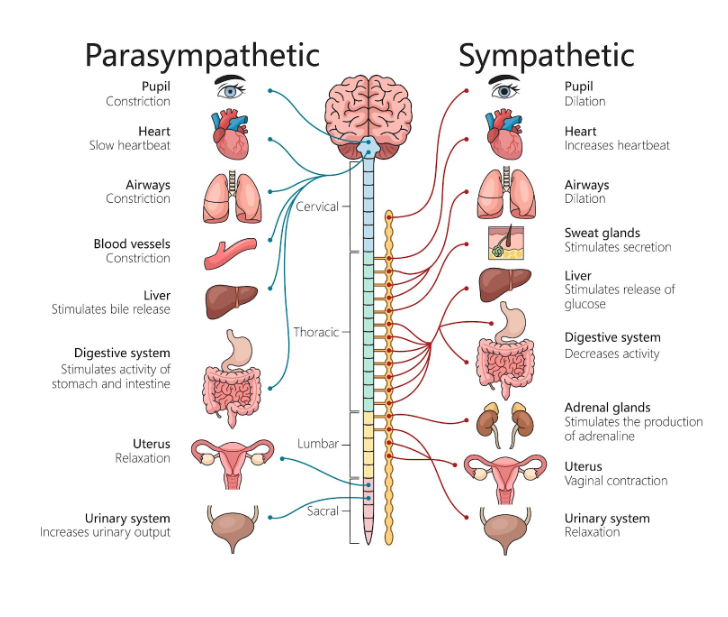
Over time, consistent practice helps reduce the density of gray matter in the amygdala, effectively training it to be less reactive to everyday stressors. This means the volume on your internal alarm system is turned down, giving you a greater sense of calm under pressure.
Connect Free. Improve your mental and physical health with a professional near you

- Strengthening the Executive Center (The Prefrontal Cortex)
The prefrontal cortex (PFC) is the brain’s executive center. It handles planning, complex decision-making, and, crucially, emotional regulation. When you practice mindfulness, you are strengthening the neural connections between your PFC and your amygdala.
This increased connectivity gives you a crucial pause button between a stressful event and your automatic, emotional reaction. Instead of immediately snapping at your spouse because the anxiety alarm is blaring, you gain the space to notice the tension, observe the urge to react, and consciously choose a thoughtful, skillful response.
- Altering Pain Perception
For people with chronic pain, MBSR is incredibly effective because it helps them decouple the physical sensation from the emotional reaction. When pain arises, the typical emotional reaction is fear, resistance, and catastrophizing (“I can’t stand this!”). This emotional noise is what amplifies the pain signal in the brain, leading to greater suffering.
MBSR teaches you to observe the pain sensation neutrally: “I notice a tight, dull, warm feeling in my shoulder.” By consciously removing the mental label of “bad” or “intolerable,” the emotional anxiety surrounding the pain diminishes, leading to an overall reduction in perceived suffering and improved pain tolerance.
The Core Practices: What You Actually Do
The MBSR program is delivered in eight weekly sessions (typically 2-2.5 hours long) and includes a single, mandatory full-day retreat between weeks 6 and 7. The consistent, non-negotiable structure and the commitment to 45 minutes of daily practice are keys to generating the neurological changes.
The core tools taught are:
- The Body Scan Meditation
- The Practice: You lie down comfortably and systematically guide your attention through every part of your body, from your toes to the top of your head. You hold your awareness on each area for a few moments, noticing all sensations.
- The Goal: This practice teaches you to anchor your attention in the physical present. You are simply noticing sensations (tension, warmth, tingling, emptiness) without trying to judge them or change them. This is an excellent tool for grounding anxious thoughts and increasing awareness of how stress is stored physically.
- Mindful Movement (Gentle Yoga)
- The Practice: A series of gentle stretches and simple yoga poses, done very slowly and with full awareness of the physical sensations in your body as you move.
- The Goal: The purpose is not exercise or flexibility; it is to explore your body’s boundaries with curiosity and kindness. You learn to recognize and honor your physical limitations, accepting discomfort without pushing through it forcefully, translating into better emotional self-care.
- Sitting Meditation (Focus on Breath)
- The Practice: Sitting upright and choosing an “anchor,” usually the sensation of the breath (the slight movement of air at the nostrils or the rise and fall of the chest or belly). Every time your mind inevitably wanders (to planning, judging, worrying), you gently, without self-criticism, return your attention to the breath.
- The Goal: This is the core mental training. It is teaching your mind to stabilize and resist the habit of getting pulled into rumination (past worries) or anxiety (future worries). It strengthens your attention muscle.
- Informal Mindfulness
- The Practice: Integrating mindful awareness into mundane, routine activities.
- The Goal: This takes the practice off the cushion and into your life. It means truly paying attention while doing the dishes (the smell of the soap, the sound of the water, the feel of the plate), driving (the sensations of your hands on the wheel), or listening fully to your child without planning your reply. This is where mindfulness truly transforms your daily experience.
The 8-Week Journey: Structure and Progression
The strength of MBSR lies in its progressive, cumulative nature. Each week is themed and builds upon the last, deepening your capacity for sustained awareness:
- Weeks 1-2 (Establishment): Focus on the Body Scan and the mechanics of the breath. The goal is simply to recognize the difference between being lost in “thinking” and being grounded in “sensing.”
- Weeks 3-4 (Handling Obstacles): You begin to encounter and work directly with physical and emotional discomfort (e.g., pain, strong emotions, boredom). You learn that feelings and thoughts are temporary events, not permanent aspects of reality.
- Weeks 5-6 (Working with Difficult Emotions): The focus shifts to challenging emotional patterns. You learn to recognize that your reaction to an emotion (the fighting, the resisting, the judging) often causes more suffering than the emotion itself. You practice the skill of “allowing” difficult experiences to be present without letting them overwhelm you.
- Week 7 (Integrating Awareness): You explore how mindfulness can be integrated into your communication and relationships, recognizing patterns of reactivity and choosing skillful responses to interpersonal stress.
- Week 8 (The Continuation): The final week focuses on sustaining the commitment to the practice and integrating awareness into daily life, knowing that mindfulness is a continuous practice, not a destination or a quick fix.
The Benefits: Moving from Reaction to Response
People who complete the MBSR program consistently report a wide range of life-changing benefits:
- Reduced Rumination: Spending significantly less time dwelling on past events or worrying about future hypotheticals.
- Improved Emotional Regulation: Experiencing emotions intensely but recovering faster and choosing thoughtful responses over impulsive, destructive reactions.
- Decreased Physical Symptoms of Stress: Lower blood pressure, better sleep quality, reduced chronic pain, and decreased muscle tension.
- Increased Self-Compassion: Replacing the harsh inner critic with kindness and acceptance, which is essential for lasting mental health and resilience.
- Enhanced Focus and Clarity: A greater ability to concentrate, leading to better decision-making and reduced mental fog.
MBSR is not a quick fix or a substitute for professional mental health care for severe conditions. However, when used as a complementary tool, it provides a powerful, practical skill set that helps you manage the daily noise of life. It’s an investment in your mental stability and a profound step toward living more fully in the only moment we ever truly have: the present.

Free consultations. Connect free with local health professionals near you.
Conclusion
Part 1: Detailed Guide to the Mechanisms and Practices of Mindfulness-Based Stress Reduction (MBSR)
Hello! If you feel overwhelmed by the constant mental chatter of stress and worry, Mindfulness-Based Stress Reduction (MBSR) offers a powerful, scientifically validated path toward finding internal stillness. This structured, 8-week program doesn’t try to change your life circumstances; instead, it fundamentally changes your relationship with stress, pain, and difficult emotions.
MBSR is an intensive training program that teaches you how to pay attention to the present moment, on purpose, without judgment. This article explores the origins, the neurological science, and the specific practices that make MBSR such an effective tool for managing chronic stress and enhancing well-being.
I. The Origin and Purpose: From Suffering to Science
MBSR was pioneered by Dr. Jon Kabat-Zinn at the University of Massachusetts Medical School in the late 1970s. Its clinical origin is crucial: it was designed not as a spiritual practice, but as a practical, medical intervention for patients whose chronic pain and illness were amplified by their emotional reactions (fear, anger, resistance).
Dr. Kabat-Zinn noticed that the “first arrow” of suffering is the initial event (the physical pain, the job loss), but the “second arrow” is the mental reaction to it (the worry, the self-criticism, the catastrophizing). MBSR was created to neutralize this “second arrow.”
He distilled the core essence of meditation into a secular, evidence-based program focused on health. The purpose is not relaxation, but awareness—the ability to be present with discomfort without habitually fighting it.
II. Understanding Mindfulness: The Two Pillars
In the context of MBSR, mindfulness is defined by two essential qualities that are trained through consistent practice:
1. Intention (Paying Attention on Purpose)
Mindfulness requires active effort. You are intentionally directing your attention—usually to a specific anchor like the breath or body sensations—rather than allowing your mind to be passively hijacked by thoughts about the past (rumination) or the future (anxiety). This conscious direction of focus is the first step toward breaking the stress cycle.
2. Attitude (Non-Judgmental Awareness)
This is the most challenging and transformative aspect. When your mind inevitably wanders (which it will, thousands of times), the practice is to observe the thought or feeling that pulled you away with a kind, non-critical, and curious attitude. You simply acknowledge the distraction (“Oh, there’s a worry about money”) and gently guide your attention back to your anchor. The “success” is in the gentle act of returning, not in achieving a blank mind.
III. The Neuroscientific Mechanism: Rewiring Your Stress Response
MBSR’s effectiveness is rooted in its capacity to physically change the brain’s structure and function—a process called neuroplasticity.
1. Taming the Alarm Center (The Amygdala)
The amygdala is the brain’s rapid-response center, responsible for initiating the fight, flight, or freeze response when it detects danger. In people with chronic stress, the amygdala often becomes hyper-reactive, sounding the alarm even when no real threat exists.
Mindfulness practices engage the parasympathetic nervous system
, the body’s “rest-and-digest” system. Consistent practice has been shown to reduce the density of gray matter in the amygdala, making it less reactive and effectively turning down the volume on the internal stress alarm.
2. Strengthening the Executive Center (The Prefrontal Cortex)
The prefrontal cortex (PFC) is the seat of executive functions, including planning, decision-making, and emotional regulation. Mindfulness strengthens the connection between the PFC and the amygdala.
This improved connectivity gives you a crucial pause button. When a stressful emotion arises from the reactive amygdala, the strengthened PFC can observe that emotion and intervene, allowing you to choose a skillful response rather than an automatic reaction.
3. Altering the Experience of Pain
For chronic pain, MBSR helps patients separate the raw sensation of pain from the emotional suffering (the fear, resistance, and hopelessness) they attach to it. By observing the pain sensation neutrally (“I notice a tight, pulling feeling”), the mind reduces the anxiety and emotional noise surrounding the pain, leading to a profound reduction in overall suffering.
IV. The Core Practices: Tools for Transformation
The MBSR program requires a commitment to daily formal practice, usually 45 minutes, using these three core tools:
1. The Body Scan Meditation
- Practice: Lying down, you guide your attention sequentially through every part of your body, from your toes to your head, simply noticing any and all sensations (warmth, pressure, tingling, numbness).
- Purpose: This practice powerfully anchors you in the physical present, making it difficult for the mind to get swept away by worrying thoughts. It is fundamental for grounding anxiety and becoming aware of where stress is stored in the body.
2. Mindful Movement (Gentle Yoga)
- Practice: A series of very slow, gentle stretches and yoga poses, performed with continuous awareness of the sensations of movement, strain, and release.
- Purpose: The goal is not physical exertion, but kindness and non-judgmental exploration of your limits. It teaches you to honor your physical boundaries and notice the tendency to push or judge yourself, translating this acceptance into emotional self-care.
3. Sitting Meditation (Breath Awareness)
- Practice: Sitting upright, you use the sensation of the breath (the slight movement of the belly or chest) as your anchor. When the mind wanders, you simply return to the breath.
- Purpose: This is the core mental training for strengthening the attention muscle. It teaches the mind to resist the pull of rumination and anxiety, improving focus and self-regulation.
The MBSR program uses these formal practices, along with Informal Mindfulness (applying awareness to daily routines like eating or walking), across eight progressively deepening weekly themes to achieve lasting, positive change.
Part 2: Conclusion
Conclusion
Mindfulness-Based Stress Reduction (MBSR) is a revolutionary and empowering approach to health and well-being. Built on a foundation of rigorous science and clinical application, it teaches you to decouple the inevitable pain of life from the optional suffering created by your mental reaction.
By engaging in the core practices of the Body Scan, Mindful Movement, and Sitting Meditation, you are actively rewiring your brain’s stress circuitry. This results in a crucial pause button between stimulus and response, enabling you to choose mindful, skillful actions instead of automatic, reactive behaviors. MBSR is a profound investment in yourself, providing you with a lifelong, practical tool for cultivating stability, clarity, and self-compassion in the face of life’s complexities.
Time to feel better. Find a mental, physical health expert that works for you.
Common FAQs
Mindfulness-Based Stress Reduction (MBSR)
How is MBSR different from just "meditating" or "doing yoga"?
MBSR is a highly structured, 8-week educational program developed in a medical setting.
- Meditation/Yoga: These can be done casually and often focus on relaxation or fitness.
- MBSR: It’s an intensive curriculum that uses meditation and gentle yoga to teach you a specific, non-judgmental attitude of awareness. It includes group discussion, specific themes for each week, and a mandatory commitment to daily practice to create measurable neurological changes.
Is MBSR a religious or spiritual practice?
No. MBSR is completely secular and evidence-based. It was developed by Dr. Jon Kabat-Zinn specifically by removing all religious or cultural elements from traditional meditation practices.
Its focus is solely on health, well-being, and reducing suffering through training attention and awareness. People of all, or no, religious backgrounds participate equally.
What does "non-judgmental awareness" mean in practice?
This is the hardest part. It means that when you are meditating or doing a body scan, and a difficult thought or feeling arises (e.g., “I’m so bored,” or “My knee hurts,” or “This practice is useless”), you simply notice the thought without criticizing yourself for having it.
You acknowledge it (“Oh, there’s a judging thought”) and gently return your attention to your anchor (like your breath). You are practicing acceptance of the present moment, exactly as it is, without trying to change it.
How long do I have to practice every day for MBSR to work?
The standard MBSR curriculum asks for a commitment of 45 minutes of formal practice every day for the entire 8 weeks. This consistent, cumulative daily work is necessary to create the actual, measurable changes in your brain structure (neuroplasticity), such as reducing reactivity in the amygdala.
Will MBSR make my chronic pain go away?
MBSR does not promise to eliminate the sensation of pain.
Instead, it teaches you to change your relationship with the pain. By separating the raw sensation of pain (the “first arrow”) from the emotional suffering you attach to it (the “second arrow”—the fear, resistance, and hopelessness), MBSR significantly reduces your experience of suffering and improves your pain tolerance.
I already have anxiety. Won't sitting alone with my thoughts make my anxiety worse?
This is a very common concern. In the early stages, bringing attention to your internal world can temporarily increase anxiety.
However, the MBSR training is progressive. The teacher provides tools (like the Body Scan and focused breathing) to help you anchor your attention safely in the present moment. The goal is not to stop thinking, but to learn that you can observe anxious thoughts and sensations without being swept away by them, fundamentally changing your response to anxiety.
What are the "Body Scan" and "Mindful Movement"?
- Body Scan: Lying down and systematically directing attention to every part of your body, noticing sensations neutrally. It’s a powerful tool for grounding anxiety and increasing mind-body connection.
- Mindful Movement: Gentle, simple yoga stretches performed with full, non-judgmental awareness of the sensations of movement. It teaches you to honor your physical limits and meet discomfort with kindness.
Is MBSR a substitute for individual psychotherapy?
No. MBSR is an educational program focused on managing stress and increasing awareness.
It is not designed to process deep trauma, chronic mental illness (like severe depression), or relationship issues that require intensive, verbal psychotherapy. MBSR is best used as a complementary tool alongside individual therapy, providing you with practical skills to manage the symptoms of stress and anxiety.
People also ask
Q: What is the MBSR method?
A: Mindfulness Based Stress Reduction (MBSR) therapy is a meditation therapy, though originally designed for stress management, it is being used for treating a variety of illnesses such as depression, anxiety, chronic pain, cancer, diabetes mellitus, hypertension, skin and immune disorders.
Q:Is mindfulness slowing down?
A: Mindfulness, as taught by Jon Kabat-Zinn and others, is noticing whatever we’re doing in the moment. We don’t have to be meditating to be mindful — we can be mindful when doing anything. Noticing the steps of an action can help us to feel slower without actually slowing us down.
Q: Can I practice MBSR at home? ?
A: Mindfulness-Based Cognitive Therapy (MBCT) and Mindfulness-Based Stress Reduction (MBSR) emphasize the importance of mindfulness practice at home as an integral part of the program.
Q:What are 5 benefits of mindfulness?
A: It means paying attention to your sensations, feelings, thoughts, and environment in the here-and-now with an attitude of acceptance. Some of the potential benefits of mindfulness include lowering stress, decreasing depression, improving memory, and strengthening your relationships, among other things.
NOTICE TO USERS
MindBodyToday is not intended to be a substitute for professional advice, diagnosis, medical treatment, or therapy. Always seek the advice of your physician or qualified mental health provider with any questions you may have regarding any mental health symptom or medical condition. Never disregard professional psychological or medical advice nor delay in seeking professional advice or treatment because of something you have read on MindBodyToday.
Share this article

Let us know about your needs

Quickly reach the right healthcare Pro

Message health care pros and get the help you need.
Popular Healthcare Professionals Near You
You might also like

What is Face Your Fear and…
, What is Exposure Therapy for Anxiety?Everything you need to know Find a Pro Facing the Fear Monster: A Simple […]

What is Psychodynamic Therapy Explained Guide?
, What is Psychodynamic Therapy Principles? Everything you need to know Find a Pro Digging Deeper: A Simple Guide to […]

What is DBT Therapy Made Simple…
, What is Dialectical Behavior Therapy (DBT) ? Everything you need to know Find a Pro Navigating the Storm: Understanding […]

