Building Your Unique Path: A Simple Guide to Integrative Therapy
When you start looking for a therapist, you quickly realize there are dozens of different styles: CBT, Psychodynamic, Gestalt, Person-Centered, Somatic, and so on. It can feel like choosing a restaurant menu where every dish has a confusing foreign name!
You might find yourself wondering: “Which one is right for me? Am I just depressed, or do I also have trauma? Do I need to talk about my childhood, or do I just need coping skills for today?”
The answer, for many people, is Integrative Therapy.
Integrative Therapy is a flexible, highly personalized approach that doesn’t stick rigidly to one single model. Instead, your therapist is trained in several different approaches and strategically blends them to create a unique therapeutic plan tailored specifically to your needs, personality, and goals. The core idea is that no single approach is sufficient to address the vast complexity of the human experience; what works for anxiety might not work for a relational wound, and what works for one person might be ineffective for another.
Think of it like a personalized medicine cabinet, not a one-size-fits-all pill. If you come in with intense anxiety and past relationship issues, your integrative therapist won’t just say, “We only do CBT.” They might say, “We’ll use CBT techniques right now to reduce your immediate anxiety, and then we’ll use Psychodynamic principles to understand where the root of that anxiety comes from.”
Time to feel better. Find a mental, physical health expert that works for you.
This article is your warm, supportive guide to understanding Integrative Therapy. We’ll explore why combining models is so powerful, the different ways therapists blend approaches, and how this personalized method helps you achieve deeper, more complete healing that addresses all the layers of your being.
Part I: Why One Size Doesn’t Fit All—The Layers of Healing
The fundamental belief behind Integrative Therapy is simple: no single theory holds the entire truth about human experience. Different theories arose to solve different problems, and therefore, they offer different sets of effective tools.
The Problem of Partial Solutions
Imagine you are having trouble sleeping.
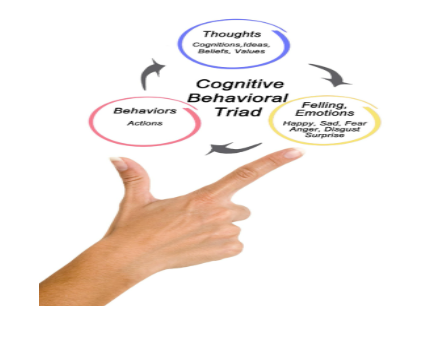
- A pure CBT therapist might focus on your thoughts: “Let’s challenge the belief that you must be perfect, which is causing you anxiety.”
- A pure Psychodynamic therapist might focus on your past: “Let’s explore how the anxiety is rooted in your childhood need for vigilance.”
- A pure Somatic therapist might focus on your body: “Let’s notice the tension in your jaw and help your nervous system discharge that held stress.”
While all these approaches are valid, if you only choose one, you might leave critical components of the problem untouched. An integrative approach recognizes that your problems don’t just exist in one place; they exist across several interconnected layers of your being. To achieve complete healing, you often need different tools to address these different layers:
|
Layer of Problem
|
What it Addresses
|
Example Therapy Focus
|
|
Cognitive (Thoughts)
|
Specific thinking errors, distorted beliefs, and problem-solving skills.
|
CBT (Cognitive Behavioral Therapy)
|
|
Emotional (Feelings)
|
Identifying, feeling, expressing, and regulating suppressed or intense emotions.
|
Gestalt, Humanistic Therapy
|
|
Relational (Others)
|
Understanding how past attachment and relationship patterns shape current intimacy and conflict.
|
Psychodynamic, Attachment Therapy
|
|
Somatic (Body)
|
Releasing trapped trauma energy, chronic tension, and managing nervous system arousal.
|
Somatic Experiencing (SE)
|
An integrative approach aims to treat all these layers sequentially or simultaneously, ensuring the healing is comprehensive and long-lasting.
Part II: How Therapists Blend Approaches—From Toolkit to New Theory
Integrative therapy isn’t just about mixing things randomly. It’s a thoughtful, structured process. The two main ways therapists combine models are based on whether they are using the techniques as standalone tools or trying to create a new, coherent philosophy.
- Technical Eclecticism (The Tool Kit Approach)
- The Idea: The therapist uses techniques (tools) from various models without necessarily adhering to the entire underlying philosophy of those models. They have a giant toolkit and they pick the best wrench for the specific bolt they need to tighten right now. This is driven by what works for the symptom.
- Example: Your therapist might primarily identify as Person-Centered (focusing on empathy and non-judgment), but when you describe needing immediate help with procrastination, they pull a specific technique (like a weekly activity schedule and reward chart) from the CBT toolkit. They are using the technique because it’s effective for behavior change, even if their core therapeutic belief is relational.
- Analogy: This is like a chef who specializes in French cuisine but uses a Japanese knife because it’s the best tool for slicing—they take the best tool for the immediate task.
- Theoretical Integration (The New Recipe Approach)
- The Idea: The therapist actively attempts to weave the core philosophies of two or more approaches together to create a brand new, coherent model. They believe the combined approach is fundamentally better and more complete than either one alone. They create a consistent way to view human suffering and growth using multiple lenses.
- Example: A therapist might intentionally combine Psychodynamic Theory (understanding unconscious origins and internalizing patterns) with Humanistic Theory (focusing on free will, self-actualization, and potential). They would explore the root of your childhood pain while consistently emphasizing your current potential for change and inherent self-worth. The combination creates a therapy that is both deeply explanatory and powerfully empowering.
- Analogy: This is like fusing French cuisine and Japanese ingredients and techniques to create a new, distinct culinary tradition (like modern fusion cuisine).
Part III: Popular Integrative Pairings for Complete Healing
Many integrative therapists combine models that naturally complement each other, addressing different layers of a problem in sequence.
Connect Free. Improve your mental and physical health with a professional near you
- CBT and Psychodynamic Therapy
This is perhaps the most common and powerful integration, often called Cognitive Analytic Therapy (CAT) or similar terms.
- CBT’s Role (The Top Down): Focuses on the tip of the iceberg—changing immediate, negative thought cycles and behaviors. It provides fast relief and practical coping strategies.
- Psychodynamic’s Role (The Bottom Up): Focuses on the submerged part of the iceberg—exploring the unconscious origins and relational history that created those negative thoughts in the first place.
- The Power: You get the quick symptom relief of CBT while simultaneously resolving the root because that drives the symptoms. You learn both what to do (CBT) and why you do it (Psychodynamic).
- Person-Centered and Experiential Therapy
- Person-Centered’s Role (The Atmosphere): Creates the foundation of safety through core elements like empathy, unconditional positive regard, and genuine warmth. This atmosphere is the necessary ingredient that makes deep work possible.
- Experiential/Gestalt’s Role (The Action): Once safety is established, the therapist encourages you to experience your feelings in the present moment through active techniques like focusing on physical sensations, role-playing, or creative expression.
- The Power: The Person-Centered relationship provides the secure base needed to safely engage in the intense, emotional experiential work, ensuring you don’t feel judged or abandoned when you are most vulnerable.
- Somatic and Relational Therapy
This pairing is critical for healing trauma and attachment issues.
- Somatic Experiencing (SE) Role (The Body): Addresses the body’s physiological trauma response (the fight/flight/freeze energy stuck in the nervous system). It uses gentle tracking and grounding to stabilize your physical state.
- Relational/Attachment Role (The Connection): Addresses the rupture of trust and safety that trauma causes, often linked to early attachment figures. It uses the therapeutic relationship itself as a corrective, safe experience of consistent, non-judgmental connection.
- The Power: You address both the physical memory (SE) and the relational wound (Relational Therapy), which together ensure complete healing of the trauma, moving you from feeling perpetually triggered to securely connected in your relationships.
Part IV: What to Expect from an Integrative Therapist
Choosing an integrative approach means you should look for specific qualities in your therapist, as the work relies heavily on their skill, flexibility, and judgment.
- Flexibility and Responsiveness
An integrative therapist won’t follow a rigid manual. They are constantly monitoring your emotional and physical response and adjusting the approach based on your moment-to-moment needs.
- Shifting Gears: If you come in describing an intense anxiety spiral, they might spend 15 minutes on a CBT technique to calm your nervous system. But if you then start talking about your relationship with your distant parent, they will seamlessly shift into a psychodynamic or attachment framework to explore the root cause.
- Asking for Feedback: A good integrative therapist is always checking in: “We just tried that breathing exercise. Did that feel helpful and calming, or did it feel too uncomfortable?” You are an active participant, and the plan is constantly reviewed based on your subjective experience.
- Focus on “Fit” Over Fidelity
The therapist prioritizes what works for you over strict adherence to any single theoretical model. They are guided by your unique circumstances, personality, and immediate therapeutic needs.
- “Starting Where the Client Is”: If you are highly intellectual and anxious, they might start with structured, measurable CBT techniques because those appeal to your need for control and measurable progress. Once trust is built and your symptoms are managed, they might gently introduce more emotional or bodily work. This custom pacing is key to successful integration.
- Working Across the Layers in Stages
While the work is flexible, it often follows a general, common-sense progression:
- Stage 1: Stabilization (CBT/Skills): Focus on immediate distress, risk reduction, and teaching reliable coping skills to get symptoms under control.
- Stage 2: Exploration (Psychodynamic/Experiential): Focus on understanding the origins, meanings, and unconscious relational dynamics behind your symptoms.
- Stage 3: Integration (Somatic/Relational): Focus on consolidating your new self, releasing trapped emotion from the body, and applying new, healthier patterns to all your important relationships.
Conclusion: Why Integrative Therapy is Your Best Bet
Integrative Therapy acknowledges the beautiful, messy complexity of being human. You are not a diagnosis; you are a unique individual with a layered history, a dynamic present, and a complex future.
By choosing a therapist who is skilled in multiple approaches, you ensure that your healing journey is precisely mapped to your needs—you get the specific tool you need for the specific problem you are facing at that exact moment. This holistic and personalized care leads to deeper self-awareness, stronger coping mechanisms, and more enduring, fundamental change that touches every aspect of your life.
You deserve a therapy that is as dynamic and unique as you are.
Free consultations. Connect free with local health professionals near you.
Conclusion
Sustaining Integration and Embracing the Complexity of Self
You’ve completed a detailed exploration of Integrative Therapy, recognizing it as a flexible, sophisticated, and highly personalized approach to healing. You now understand that Integrative Therapy is driven by the belief that no single theory—whether it’s CBT, Psychodynamic, or Somatic—can fully capture the complexity of human experience, especially when problems manifest across multiple layers: cognitive, emotional, relational, and somatic.
This concluding article focuses on integration and self-management: how to sustain the momentum and holistic change achieved in integrative work and ensure that the various parts of your inner self—the rational thinker, the emotional core, the historical self, and the physical body—continue to work together coherently. The goal is to move beyond simply managing symptoms and fully embrace a life guided by deep self-awareness and choice.
Phase 1: Internalizing the Integrative Stance
The key to long-term success is internalizing the flexibility your therapist modeled. Your work now is to become your own Integrative Self-Manager, choosing the right tool for the right emotional challenge in the moment.
- The Skill of Contextual Awareness
Your therapist’s expertise lay in knowing when to shift from one approach to another. You can develop this same contextual awareness by learning to identify the dominant layer of your distress.
- Emotional vs. Cognitive Conflict: When you feel stuck, ask yourself: Is this primarily a thought problem (a distorted belief, a fear of the future, a cognitive loop)? If so, you need a CBT tool (like challenging the thought or scheduling worry time). Or, Is this a feeling problem (deep grief, unresolved anger, abandonment)? If so, you need a Humanistic/Experiential tool (like allowing the feeling to exist without judgment, or journaling to articulate the core emotion).
- The Body Check: Always include the somatic layer. If you are arguing with your partner and feel your chest tighten, recognize that is a somatic problem and choose a grounding or nervous system regulation tool first, before trying to use words.
- Weaving the Internal Narrative
If your therapy involved Theoretical Integration (like blending Psychodynamic and Humanistic views), the goal is to weave those insights into a new, consistent self-narrative.
- Accepting the Past, Owning the Present: Use the Psychodynamic insight to explain your patterns with compassion (“I developed people-pleasing because it was the safest way to survive my childhood”), but use the Humanistic insight to propel your future (“I accept that past, and now, as an adult with autonomy, I choose to prioritize my needs”). The integrated perspective stops you from getting stuck in the past or judging the present.
Phase 2: Maintaining the Integration Across All Layers
Sustained wellness means continuing to tend to the different layers of your being, recognizing that a problem solved in one area can quickly be re-activated if the other areas are neglected.
- Relational Vigilance and Corrective Experiences
If your integrative work included a strong Relational/Attachment component, you learned to identify and change destructive relational patterns (transference).
- Spotting Old Patterns: When entering a new relationship (friendship, job, dating), be highly attuned to early signs of your old patterns. If you notice yourself pulling away when a friend gets too close (mirroring past relational distance), consciously choose to lean in and communicate your fear. These deliberate “corrective experiences” outside of therapy solidify the new, secure relational patterns learned within the therapeutic relationship.
- Sustaining Somatic Awareness
For those whose work included Somatic Experiencing (SE), continued nervous system awareness is key to preventing relapse into hyper-vigilance or freeze states.
- Daily Discharge: Continue to honor your body’s need to discharge stress. This doesn’t require a therapist; it can be achieved through daily habits like vigorous exercise, intentional trembling, deep sighing, or grounding exercises whenever you feel a buildup of tension. You become the steward of your own nervous system, proactively regulating rather than waiting for it to crash.
- The Cognitive Maintenance Plan
If your work started with CBT, keep using those structured tools for maintenance.
- Relapse Prevention: Know your personal “High-Risk Situations” (stress, exhaustion, loneliness) and have a written plan detailing which cognitive and behavioral tools you will use before the situation escalates. For example: “If I miss more than two nights of sleep, I will immediately pause social commitments and review my thought journal.”
Phase 3: Embracing Complexity and Growth
Integrative therapy is ultimately about accepting that you are a complex, ever-changing system. Your inner world doesn’t fit into neat boxes, and your healing path will continue to evolve.
- The Flexibility of Identity
You are no longer defined by a single diagnosis or a single theory. You can confidently claim, “I have coping skills from CBT, deep emotional awareness from my humanistic work, and a healed nervous system from my somatic therapy.” This multifaceted identity is your strength.
- The Power of Choice
The final integrated insight is that you have a conscious choice in how you address your internal life. When distress arises, you are no longer a victim of a single, unconscious pattern; you are a skilled individual with a full toolkit.
- Choosing the Tool: When confronted with a sudden wave of panic, you can consciously choose: “Do I need a quick CBT thought challenge to disrupt this loop, or do I need a quiet moment of Person-Centered acceptance to allow this feeling to move through me?” This moment of self-agency is the ultimate freedom gained from integrative work.
Integrative Therapy teaches you how to skillfully manage the different parts of yourself. The work doesn’t stop when therapy ends; it simply means the highly trained coach (your therapist) has successfully handed the playbook and the full toolkit over to the player—you—to continue the game of life with grace, skill, and enduring self-awareness.
Time to feel better. Find a mental, physical health expert that works for you.
Common FAQs
Here are some common questions people have when exploring or considering an Integrative approach to therapy.
People also ask
Q: What is an integrative therapy?
A:It emphasizes a holistic, patient-focused approach to health care and wellness—often including mental, emotional, functional, spiritual, social, and community aspects—and treating the whole person rather than, for example, just one organ system.
Q:What are the 4 types of psychotherapy integration?
A:Integration in psychotherapy involves four possible approaches: theoretical integration (i.e., transcending diverse models by creating single but different approach), technical eclecticism (i.e., using effective ingredients from different approaches), assimilative integration (i.e., working primarily from within one .
Q: What are the 4 pillars of integrative medicine?
A: At Integrative Medicine, the focus is on the four pillars. These four pillars are essential to a patient’s healing and for maximizing their health. The pillars include nutrition, stress management, exercise and sleep. Without having a balance in all of them, patients will not get better.
Q:What are the 4 pillars of counseling?
A: I’d like to shift the focus a bit and talk about the role of relationships and what I call the four pillars of counseling: trust, respect, positive regard, and open-mindedness.