Psychodynamic Therapy: Unlocking the Secret Language of Your Past
If you’re currently in therapy, or actively considering starting your therapeutic journey, you’ve likely encountered or heard of Cognitive Behavioral Therapy (CBT)—a highly effective, time-limited approach that focuses on changing your current thoughts and actions to improve your mood. Psychodynamic therapy is a different, yet equally powerful, approach.
It represents the deep, meaningful detective work that seeks to understand why those unhelpful thoughts, problematic reactions, and self-sabotaging actions keep repeating in your life in the first place.Psychodynamic therapy is one of the oldest and most foundational forms of “talk therapy,” rooted in the groundbreaking work of Sigmund Freud, but significantly modernized and constantly updated to be practical, relational, and highly effective for today’s emotional struggles.
While it necessarily involves exploring early childhood experiences, it is fundamentally not about assigning blame to your past or your parents. Instead, it’s about gaining clarity—understanding that your past created an invisible emotional blueprint, a set of unconscious rules, that still runs a significant part of your emotional life and relationships today.
Time to feel better. Find a mental, physical health expert that works for you.
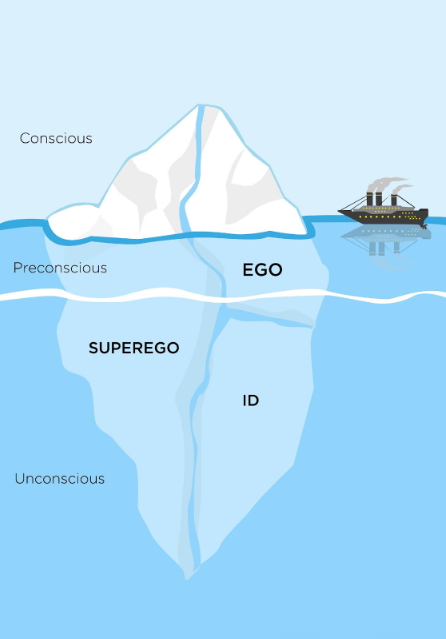
Think of your mind like an iceberg. Your conscious mind is the small tip visible above the waterline—it holds the things you know about yourself (your current feelings, your daily to-do list, your surface-level goals).
But your unconscious mind is the massive, submerged 90% of the iceberg. It holds all the forgotten memories, suppressed emotions, unresolved conflicts, and critically, the unmet emotional needs that are still exerting a powerful, unseen influence on the way you unconsciously choose partners, react to criticism, handle success, and sabotage your own happiness.
Psychodynamic therapy is the gentle, collaborative, and safe process of exploring that submerged, powerful world. It operates on the core belief that once the hidden, unconscious reasons for your current pain, anxiety, and repetitive patterns are brought into the clear light of conscious awareness, they lose their automatic power over you, finally allowing you to choose healthier, more flexible, and truly conscious ways of living.
This article is your warm, supportive guide to the key principles of Psychodynamic Therapy. It will explain in simple terms how this approach works to illuminate your inner world and create lasting, fundamental change that extends far beyond a temporary reduction in symptoms.
Part 1: The Foundations of Psychodynamic Healing
Psychodynamic therapy operates on several core, interconnected beliefs about human behavior, emotional development, and psychological pain. Understanding these foundational principles makes the depth of the work feel less mysterious and far more purposeful.
- The Primacy of the Unconscious Mind
This is the cornerstone of the entire approach. Psychodynamic theory believes that the vast majority of our mental life—including our deepest motivations, our most painful conflicts, and our primary emotional drivers—operates outside of our conscious, intellectual awareness.
- The Problem: If you consistently pick partners who are emotionally unavailable, your conscious mind might rationally conclude, “I just have terrible luck in dating.” But your unconscious mind might be driven by an unacknowledged fear of true, deep intimacy, a fear learned from childhood experiences where closeness felt overwhelming or unreliable.
- The Manifestation: Unconscious conflicts often reveal themselves in symptoms—anxiety, unexplained physical pain, chronic low self-esteem, or repetitive relationship failures. These symptoms are essentially coded messages from the unconscious, signaling unresolved conflict.
- The Solution: The core goal of the therapy is to bring these hidden patterns, conflicts, and motivations into your conscious awareness. Once you see the script, you gain the power to revise and rewrite it.
- The Past Is Alive in the Present (Repetition Compulsion)
Psychodynamic therapy focuses heavily on how early childhood experiences and the relationships with your first caregivers fundamentally shape your current emotional and relational functioning. As stated, this is not about blaming your caregivers; it’s about recognizing that your young self-developed adaptive survival strategies to cope with the specific emotional environment they were given.
- Adaptive Strategies: If crying or expressing distress never successfully led to consistent comfort or connection, you learned to suppress your needs, intellectualize your emotions, and rely fiercely only on yourself (an Avoidant strategy). If you only received intense attention when you were sick or misbehaving, you may have developed an unconscious tendency to catastrophize physical symptoms or create conflict (an unconscious strategy to feel cared for or seen).
- Repetition Compulsion: These old strategies become rigid, fixed emotional patterns that you unintentionally and often painfully repeat in new adult situations—this is called a repetition compulsion. You might re-create the emotional dynamics of your critical childhood home in your workplace (always expecting criticism) or re-enact your parental conflict in your marriage, leading to the familiar, painful feeling of being stuck in a loop.
- Psychological Defenses (Our Emotional Shields)
When we experience psychological pain, internal conflict, or uncomfortable feelings (like shame, rage, or deep sadness), the unconscious mind automatically erects defenses to shield us from that intolerable pain. These are deeply ingrained mental habits we use to feel safe or maintain a preferred self-image.
- Common Defenses:
- Denial: Flatly refusing to accept a painful reality or truth.
- Projection: Attributing your own unacceptable, repressed feelings or desires onto someone else (“I’m not the jealous one, you’re always flirting and trying to make me jealous!”).
- Intellectualization: Talking about intense, distressing feelings (like grief or loss) in a cold, analytical, academic, and overly abstract way to avoid the terrifying experience of actually feeling the raw emotion.
- The Role of Therapy: Defenses are protective, but they often come at the cost of intimacy and personal growth. The therapist helps you gently notice your defenses in action, non-judgmentally, so you can slowly, safely lower the shield and face the core feeling or conflict it was meant to guard.
Connect Free. Improve your mental and physical health with a professional near you
Part 2: How the Work Happens—The Tools of Insight
Psychodynamic therapy utilizes specific, relational tools and methods designed to explore the unconscious mind and reveal the hidden patterns that are causing current distress and repetition.
- The Therapeutic Relationship (The Corrective Experience)
In psychodynamic therapy, the intense, intimate relationship you develop with your therapist is often considered the most powerful and important tool for healing—it is a “living laboratory” where your patterns inevitably surface.
- Transference: This is a complex but absolutely crucial idea. Transference occurs when you unconsciously project feelings, expectations, and attitudes developed in your past significant relationships (usually with primary caregivers) onto your therapist. If you had a mother who was chronically dismissive, you might find yourself feeling irrationally nervous or convinced that your kind therapist is secretly bored or judging your progress.
- Working Through: Recognizing transference is a huge opportunity for growth! By discussing and analyzing these intense, repetitive reactions as they happen within the safety of the therapeutic relationship, you gain incredible, real-time insight into how your past blueprints are dictating your present emotional reactions. The therapist offers a corrective emotional experience by responding to your projected feelings in a stable, consistent, and healthy way, which slowly updates and heals your old, damaged emotional blueprint.
- Exploring Free Association
The classic, historical image of therapy involves the client talking about whatever comes to mind—this is free association.
- How it Works: The therapist encourages you to speak without censoring, controlling, structuring, or planning your thoughts, even if the thoughts seem trivial, irrelevant, or embarrassing. The idea is that when the conscious mind relaxes its tight, logical control, the unconscious material can “leak through” in slips of the tongue, sudden memories, seemingly random connections, or vivid dreams.
- The Goal: The therapist actively listens for breaks, inconsistencies, sudden shifts in emotion, or recurring themes that point toward the hidden, underlying conflicts that need conscious attention.
- The Central Focus on Affect (Feeling)
A key, pragmatic principle is the focus on affect, or the intensity and quality of emotional feeling.
- The Work: The therapist will often gently bring your attention back to the feelings you are actively avoiding. If you are describing a painful, traumatic childhood event in a flat, clinical, unemotional voice (using the Intellectualization defense), the therapist might gently observe, “I notice you are describing something profoundly sad, but your voice is very flat. What is it like for you to try to tell that story right now without feeling the emotion?”
- The Goal: The goal is to safely experience the full range of emotion—sadness, anger, fear, joy—because only by fully feeling the past pain can you move through it and truly release its powerful, persistent hold on the present.
Conclusion: Insight and Emotional Freedom
Psychodynamic therapy is often a longer-term process than approaches focused solely on symptom reduction, precisely because fundamental, deep, unconscious change takes time, trust, and repeated experience.
The ultimate goal of Psychodynamic Therapy is not just to feel better temporarily, but to gain self-insight and achieve profound emotional freedom.
- Insight: You gain a sophisticated, non-judgmental understanding of why you are the way you are—the hidden conflicts, fears, and internal forces that have shaped your entire personality and your relational life.
- Freedom: Once the unconscious conflicts are brought to the surface and understood, they are no longer running your life on autopilot, demanding repeated enactments. You move from reacting to old trauma to choosing conscious, mature responses. You begin to choose partners, set boundaries, and pursue goals in a way that truly aligns with your adult values and desires, not the protective fears of your childhood self.
Psychodynamic therapy is a powerful, worthwhile investment in yourself—a profound journey to uncover your authentic, true story and finally gain the freedom to live it fully.
Free consultations. Connect free with local health professionals near you.
Conclusion
Psychodynamic Therapy—Insight and the Freedom to Choose
You have now completed your detailed exploration of Psychodynamic Therapy, recognizing its profound power to illuminate the unseen forces—the unconscious conflicts and relational blueprints—that shape your current emotional struggles and life patterns.
The fundamental conclusion of psychodynamic work is simple, yet revolutionary: The things you don’t know about yourself are what control you. Your past, far from being simply a history lesson, is an active, powerful emotional script that runs on autopilot in your present life.
Psychodynamic therapy offers a liberation rooted not just in symptom reduction, but in insight and fundamental restructuring of your personality. It frees you from the exhausting burden of believing that your chronic anxiety, relationship struggles, or low self-esteem are just inexplicable failures of will. Instead, it offers a sophisticated understanding: your suffering is the logical, albeit painful, manifestation of an unresolved conflict or a repetition compulsion demanding attention.
The Problem Solved by Awareness
The central mechanism of healing in psychodynamic therapy is the movement of material from the unconscious mind into conscious awareness.
- The Unconscious Driver: Your inner world is dominated by forces you cannot access directly—repressed memories, unacknowledged desires, and emotional schemas developed during childhood to survive unreliable or inconsistent caregiving. These forces dictate your choices and emotional reactions, often leading you to repeat the exact painful relational dynamics you consciously wish to avoid (the repetition compulsion).
- The Role of Symptoms: Symptoms like chronic anxiety, phobias, or depression are seen as the unconscious mind’s way of communicating an internal conflict it cannot resolve itself. They are coded messages.
- The Power of Insight: When the therapist helps you safely uncover the hidden meaning of the symptom—linking your current fear of commitment, for instance, back to the unconscious fear of loss learned in early life—the conflict is brought into the light. Once conscious, the conflict loses its grip. It transforms from a controlling force into an object that can be consciously examined, processed, and chosen against.
The Therapeutic Relationship as the Catalyst for Change
The psychodynamic conclusion asserts that fundamental change does not happen through intellectual understanding alone; it happens through relational experience. The relationship with the therapist is designed to be the living laboratory where your old blueprints surface and are corrected.
- Transference Explained: The most powerful tool is transference, where you unconsciously treat the therapist as if they were a significant figure from your past (a critical parent, an absent partner). If you anticipate that the therapist will dismiss your feelings, you are not reacting to the therapist; you are re-enacting an old, painful script.
- The Corrective Experience: By recognizing, naming, and analyzing the transference, the therapist provides a corrective emotional experience. Instead of reacting to your projected anger with withdrawal (as a parent might have), the therapist responds with stability, curiosity, and tolerance. This new, consistent, and healthy response slowly rewrites the client’s deepest beliefs about relationships: “It is safe to be seen, even with my difficult feelings,” and “Others can be reliable, even when I am vulnerable.” This repeated, safe experience is what truly updates the archaic emotional operating system.
- Working Through Defenses: The therapist also works to illuminate your psychological defenses (like Intellectualization or Projection). These defenses once protected you from pain, but now they are blocking your growth and intimacy. The conclusion is that only when you can gently lower these shields and safely feel the core emotions they were hiding—the grief, the fear, the anger—can that energy be integrated and released.
The Lasting Outcome: Affect and Autonomy
Psychodynamic therapy is often a longer-term commitment precisely because you are working to change the core infrastructure of the personality, not just the surface symptoms. The outcome is defined by two key achievements:
- Affect Tolerance: The therapist focuses heavily on affect (emotional feeling). The goal is to increase your capacity to tolerate the full spectrum of your human emotions—the intense sadness, the justified anger, the profound joy—without having to resort to defenses, destructive behaviors, or emotional shutdown. When you can tolerate feeling difficult emotions, you no longer fear them, and they lose their power to drive your actions unconsciously.
- Emotional Autonomy: The ultimate conclusion of psychodynamic healing is the achievement of emotional autonomy and true freedom of choice. You transition from living a life driven by old, fear-based imperatives (“I must achieve perfection to be worthy”) to living a life guided by conscious, integrated adult values (“I choose to pursue meaningful work and accept my inherent worthiness”). This is the move from reaction to choice.
Psychodynamic therapy is the most powerful investment you can make in your own infrastructure. It is the journey to stop acting out your past and finally begin living your own, self-authored future.
Time to feel better. Find a mental, physical health expert that works for you.
Common FAQs
Psychodynamic therapy is a deep, insight-oriented approach to healing. Here are simple answers to the most common questions clients have about its principles and process.
People also ask
Q: What are the 5 elements of psychodynamic therapy?
A: Psychodynamic therapy comprises five essential elements: the exploration of unconscious processes, the significance of early childhood experiences, the therapeutic relationship, the examination of defense mechanisms, and the focus on transference and countertransference.
Q:Does psychodynamic therapy focus on the past?
A: Psychodynamic therapy integrates past experiences with present behavior, offering a comprehensive understanding of an individual’s life history and its impact on current functioning. This holistic approach can lead to more nuanced and personalized treatment plans.
Q: What is the therapy for letting go of the past?
A: Emotional memories can be changed so that they lose their power over the individual and their experience. Cognitive reprocessing and narrative therapy techniques can help someone change their view of the past and open the door to a happier future.
Q:Which is better, CBT or psychodynamic?
A: Both CBT and psychodynamic therapy can be used to treat anxiety, depression, personality disorders, and other mental health concerns. CBT may be slightly more effective for treating social anxiety disorder, and psychodynamic therapy might be more appropriate for severe mental health concerns.