
Healing Through Expression: A Simple Guide to Art Therapy Approaches
You’ve probably heard of talk therapy—sitting down and working through your problems with words. But what happens when the words just aren’t there? What if the pain is too deep, too old, or too confusing to capture in sentences? What if simply speaking about a traumatic event causes immediate panic and overwhelm? This is where the powerful world of Art Therapy steps in.
Art therapy is a unique and deeply healing approach that uses creative materials—paint, clay, collage, markers, and more—to help you explore feelings, resolve conflicts, and gain self-awareness. It’s not about making pretty pictures; it’s about making meaning. You don’t need to be an artist; you just need to be willing to engage with the materials. Your drawing of a tangled mess might say more about your stress than an hour of talking could.
For many people, especially those who have experienced trauma, who struggle with expressing intense emotions, or who feel “stuck” in a cycle of destructive behavior, art therapy offers a safe, non-verbal bridge between the inner world and the outer world. It allows you to externalize your feelings—to put them outside yourself—where you can look at them, understand them, and ultimately change them. This process is highly protective and helps prevent the re-traumatization that can sometimes occur with early verbal disclosure.
Time to feel better. Find a mental, physical health expert that works for you.
This article is your warm, simple, and practical guide to understanding the world of Art Therapy. We’ll look at what it is, why it works, and the different approaches a qualified, registered art therapist might use to help you on your healing journey.
Part 1: The Core of Art Therapy—Why It Works
Art therapy is rooted in the belief that the creative process involved in artistic self-expression helps people to resolve conflicts and problems, develop interpersonal skills, manage behavior, reduce stress, increase self-esteem and self-awareness, and achieve insight.
- The Power of Non-Verbal Expression
Think about a painful memory or a core struggle. Often, recalling it verbally forces it into a neat, linear story—a process that can feel artificial, incomplete, or even overwhelming.
- Bypassing the Brain: Deep emotional pain, especially trauma, is often stored in the non-verbal, emotional centers of the brain (like the amygdala and limbic system). When you use art, you bypass the critical, logical part of your brain (the prefrontal cortex) that monitors and censors your speech. You are accessing the primal, emotional language of images and symbols directly.
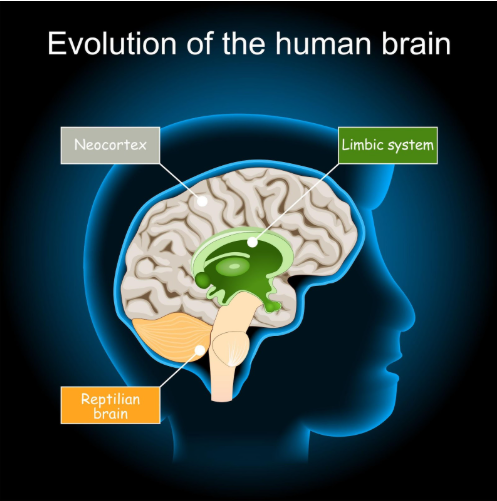
- Externalizing the Feeling: When you create a sculpture of a heavy weight, that sculpture represents your depression or anxiety. It is now outside of you, not just in you. You can look at the weight, discuss its texture and shape, and even change it—perhaps by carving away a piece or burying it. This separation is crucial for gaining perspective, control, and emotional distance from overwhelming internal states.
- The Relationship with the Therapist and the Art
In art therapy, the therapist is not just listening to your words; they are witnessing your creation and the process behind it.
- Witnessing, Not Judging: The therapist is a trained professional who understands the symbolic language of art. They don’t analyze your picture like a fortune teller, nor do they critique its aesthetic value. Instead, they use your artwork as a starting point for dialogue, using non-judgmental, open-ended questions: “Tell me about this color,” or “What did it feel like in your body when you made this jagged line?”
- The Triangle of Trust: The therapeutic relationship becomes a triangle: You – The Art – The Therapist. The artwork acts as a safe buffer, allowing you to project intense feelings onto the creation rather than directly onto the therapist. This externalization makes deep, vulnerable work feel less intimidating and safer for survivors of interpersonal trauma.
- Sensory and Somatic Engagement
Art engages your senses—the smell of the paint, the texture of the clay, the resistance of the paper. This physical, sensory engagement is highly grounding and helps integrate the mind and body. This is especially helpful for people who struggle with feeling disconnected, numb, or dissociated, as the physical sensation of the materials anchors them safely in the present moment.
Part 2: Three Major Art Therapy Approaches (The Toolkits)
Just as talk therapists have different methods (CBT, psychodynamic, etc.), art therapists often lean on a few core philosophical approaches to guide their work.
Approach 1: Psychodynamic Art Therapy (The Deep Dive)
This approach is heavily influenced by the idea that our unconscious minds hold the key to our current struggles. The artwork becomes a spontaneous window into those hidden thoughts, memories, and emotions.
- Focus: Uncovering unconscious conflicts, exploring past relationships (especially childhood dynamics), and gaining insight into recurring life patterns.
- The Technique: The therapist might use open prompts designed to tap into your subconscious:
- Draw Your Family: Not how they look, but how they feel to you, using symbols, colors, and spatial relationships.
- Draw a Metaphor: Draw an image that represents your current state of mind (e.g., a locked box, a wild animal, a house with broken windows).
- Serial Art: Creating art sequentially across multiple sessions to track changes in mood or themes over time.
- How it Works: The therapist is looking at the symbols and imagery that emerge. They aren’t interpreting the meaning for you; they are guiding you to discover your own meaning. For example, recurring use of harsh lines or a specific boundary might prompt the question: “When you look at this strong line, what feeling does it contain, and where does it feel familiar in your life?” This leads to insight about emotional blocks rooted in the past.
Approach 2: Humanistic/Client-Centered Art Therapy (The Freedom Approach)
This approach is less concerned with the past or the unconscious and is more focused on the present moment, self-acceptance, and personal growth. It emphasizes that you are the expert on your own experience and that the drive toward healing is innate.
- Focus: Providing a safe, non-directive space for spontaneous self-exploration, affirming your inherent worth, and allowing creative expression to emerge organically.
- The Technique: The therapist is highly non-directive, offering the materials and simply encouraging you to “Create whatever you feel like creating right now.”
- Free Expression: Using materials without a specific prompt. You might be given a huge canvas and encouraged to use your whole body to paint, focusing purely on the sensation and release of energy.
- The Process, Not the Product: The therapist focuses intently on how you used the materials (did you tear the paper aggressively? Did you mix the colors carefully? Did you discard pieces?) rather than what the final picture looks like. They believe the energy and freedom experienced during the creation itself are key to therapeutic change.
- How it Works: This approach promotes self-actualization. By having unconditional permission to express yourself fully without judgment, you build confidence, self-trust, and internal validation. The art-making process itself is seen as cathartic and healing.
Connect Free. Improve your mental and physical health with a professional near you
Part 3: Recognizing and Using the Materials (The Modalities)
A major part of art therapy is choosing the right modality—the material—for the job. Different materials serve different therapeutic purposes, based on their properties (wet vs. dry, resistant vs. fluid).
|
Modality |
What it Does Best |
Why it Works |
|---|---|---|
|
Clay/Sculpture |
Grounding, processing anger, expressing complex relational dynamics, working through physical tension. |
It’s highly tactile, three-dimensional, and resistant. It allows for the safe expression of aggressive energy (pounding, squishing) and facilitates physical, body-based expression. |
|
Paint (Wet Media) |
Expressing intense, fluid, or chaotic emotions; achieving quick, cathartic release; working with grief. |
It’s fast, unpredictable, and less controllable than dry media. This mirrors overwhelming emotional states, allowing for cathartic release and validation of the chaos. |
|
Collage |
Working with identity, future goals, externalizing difficult situations without personal drawing skills. |
It uses found images (magazines, photos). The selection of images and their arrangement provides instant symbolism and insight into current needs, desires, and conflicts. |
|
Markers/Pencils (Dry Media) |
Increasing control, detailed planning, establishing boundaries, and when feeling anxious or disorganized. |
It’s structured, controllable, and precise. It appeals to clients who need organization or feel easily overwhelmed by mess and chaos. |
The therapist isn’t only watching the final product; they are paying attention to the process you use: aggressive tearing may mean energy needing release; avoiding a certain color may suggest avoidance; meticulous control may suggest anxiety.
Part 4: What to Expect and How to Find the Right Fit
What a Session Looks Like
A session is typically structured:
- Check-in (5-10 minutes): You and the therapist talk briefly about your current mood or what issue you want to focus on.
- Directive/Art Making (30-40 minutes): The therapist gives a prompt (e.g., “Draw a bridge between where you are now and where you want to be”) or invites free expression. You work silently or with gentle guidance.
- Processing (15-20 minutes): This is the most crucial part. The therapist asks open-ended questions about the artwork: “Describe this figure,” “How do the colors interact,” “What title would you give this?” They help you connect the art back to your current life and feelings, translating the visual language into meaning and insight.
- Wrap-up: You discuss any homework (e.g., finishing a piece, integrating an insight), and the art is stored securely.
Finding a Qualified Art Therapist
It is vital to see someone with specific, dual training in art and psychology. Look for credentials such as:
- ATR (Registered Art Therapist)
- ATR-BC (Board Certified Art Therapist)
- LPC or LMHC (Licensed Professional Counselor or Mental Health Counselor) with specialized training in art therapy.
A qualified art therapist is trained both in art media and psychological theory, ensuring the work is safe, ethical, and effective.
Art therapy offers a revolutionary path to healing that honors the complexity of the human experience. It tells you that your story matters, whether you speak it, paint it, or sculpt it. It affirms that the answers are already within you, waiting for a safe and creative way to be seen.

Free consultations. Connect free with local health professionals near you.
Conclusion
A Detailed Look at the Conclusion of Art Therapy
The conclusion of Art Therapy, known as termination, is a phase of profound significance. It is where the client consolidates their gains, integrates their artistic insights, and prepares to continue their healing journey without the consistent presence of the therapist and the structured art space. Unlike standard talk therapy, the ending in art therapy often involves a final creative act—a culminating piece of work or a symbolic ritual that marks the transition from dependence to autonomy.
Ethically and clinically, the termination process must be handled with sensitivity, especially since many clients turn to art therapy because of past experiences of loss, unresolved grief, or difficulty articulating closure verbally. The therapist’s goal is to ensure the client is empowered to carry the healing process and the therapeutic tools (the materials and the mindset) forward into their daily life.
This article details the specific, art-therapy-based criteria that signal readiness for termination, the crucial steps the therapist takes to consolidate the client’s creative and psychological gains, and the essential mindset required for maintaining expressive health post-therapy.
Markers of Readiness: When is Art Therapy Truly Finished?
The decision to conclude Art Therapy is a highly personalized and collaborative one, based on the client demonstrating that the creative and expressive blocks have been resolved and that the insights gained through the artwork have been successfully integrated into real-life behavior and thinking.
- Symbolic Resolution and Integration
The artwork itself often provides the clearest sign of readiness for termination. The client’s creative work should reflect a distinct shift from chaos to coherence.
- Coherence in Imagery: The artwork should show a shift from confusing, fragmented, or highly aggressive imagery to images that are more integrated, calm, or representational of self-control and safety. For example, a client who began with angry, chaotic scribbles might now produce a piece featuring clear boundaries, organized shapes, or a defined “safe space.”
- Closure on Themes: The client has worked through the primary themes they initially brought to therapy (e.g., grief, identity conflict, or trauma symptoms). Recurring symbols that represented distress (e.g., darkness, tangled lines, locked doors) have either disappeared or been transformed into symbols of strength (e.g., light, clear pathways, open windows).
- The “Finished” Feeling: The client expresses a sense of completion regarding their primary body of work created in therapy. They feel they have explored the issue visually and have nothing more to add to that narrative.
- Generalization of Creative Coping
The client must demonstrate that the healing process has moved from the studio to their daily life.
- Emotional Translation: The client can successfully translate the insights gained through the art process back into verbal and behavioral understanding. They can articulate, “When I realized that the heavy clay I was pounding represented my father’s expectations, I learned to let go of the emotional weight in my life.”
- Autonomous Skill Use: The client has incorporated a form of creative expression (drawing, journaling, photography, music) into their regular coping toolkit. They no longer rely solely on the art therapy session to process distress; they engage in self-soothing creative expression autonomously when facing life challenges.
- Increased Self-Efficacy: The client shows confidence in their ability to cope with future stressors. They understand that their creative capacity is a reliable resource for navigating life’s complexities and finding meaning, not just escaping pain.
- Change in Relationship to Materials
A powerful marker is how the client interacts with the materials near the end of the therapeutic process.
- Mastery and Comfort: They move beyond being tentative or overwhelmed by the materials. They embrace the messiness (fluid media) and the resistance (clay) without becoming frustrated or avoiding the medium. This demonstrates an increased capacity to tolerate frustration and chaos in life.
- Choosing Materials for Purpose: They can consciously select a specific medium (e.g., choosing pencil for control, paint for release) based on their current emotional need, proving they understand the therapeutic properties of the art media itself.
Final Interventions: Consolidating the Creative Gains
The final sessions are not focused on new exploration but on creating a coherent narrative of the entire creative journey and preparing for the transition.
- The Cumulative Art Review (The Visual Autobiography)
The most essential technique is the review of the client’s artwork, often spread out over several sessions.
- Viewing the Journey: The therapist and client lay out and review the pieces created, chronologically or thematically. This process externalizes the client’s entire transformation and provides irrefutable evidence of growth and change.
- Reframing the Narrative: The therapist guides the client to narrate the story of their healing through the art. The focus shifts from the painful content of early pieces to the strength of the process—the client’s willingness to face and change the imagery. The therapist might ask, “Look at this piece you called ‘Despair.’ How is the person who made this piece different from the person looking at it today?”
- The Final Image and Symbolic Closure
The conclusion often involves the creation of a powerful final piece that symbolizes the transition.
- The Termination Piece: The client is often assigned a final artwork to create that represents their future self, their internal resources, or the strength they are taking with them. This piece serves as a visual anchor and a reminder of their competence.
- Ritual of Separation: The therapist and client decide the fate of the art created in therapy. Does the client take it all? Is a certain piece destroyed (symbolizing the end of a negative cycle)? Is it left behind? This collaborative decision-making ritual reinforces the client’s autonomy and provides a clear emotional boundary for the ending.
- The Creative Toolkit Blueprint
The therapist helps the client define a practical, usable creative toolkit they will maintain post-termination.
- Creative Self-Care Plan: The client identifies specific materials and methods they will use for self-regulation (e.g., “I will keep a set of colored pencils in my bag for grounding”).
- Resource List: The client lists other creative resources in the community (e.g., pottery class, sketching group) to ensure the creative process remains integrated into their social life.
Maintaining Expression: Living an Authentically Creative Life
Leaving structured Art Therapy means committing to a lifestyle where creative expression is used as a necessary tool for well-being.
- Valuing the Process Over the Product
The core mindset to maintain is remembering that the value of art lies in the process, not the final product. The client must be willing to make “bad” art—messy, ugly, or confusing art—because it is the act of expression that heals, not the aesthetic result. This commitment prevents the client’s internal critic from censoring their deepest emotional needs.
- The Art as a Lifelong Dialogue
The client views their creative expression as a continuous, open-ended dialogue with themselves. They commit to checking in with their inner world through creative means, trusting that when words fail, images will speak.
The conclusion of Art Therapy is a triumphant affirmation of the client’s inner resources. It confirms that the path to healing is not limited by language; it is as vast, colorful, and creative as the human spirit itself. The client leaves, not as a former patient, but as an empowered, creative agent of their own psychological well-being.
Time to feel better. Find a mental, physical health expert that works for you.
Common FAQs
If you’ve been using Art Therapy to help your healing journey, you likely have questions about what success looks like, how to manage the intense feelings surrounding termination, and how to keep your creative momentum going after the sessions end.
How do we know Art Therapy is truly finished?
The decision to end Art Therapy is highly collaborative and based on both verbal and non-verbal evidence. Key indicators include:
- Symbolic Resolution: Your artwork shows a clear shift from chaos and distress (e.g., tangled, dark images) to more integrated and coherent imagery (e.g., clear boundaries, calm colors, positive symbols of self).
- Integration: You can easily translate the insights gained through the artwork into real-life behavior and verbal understanding. You know why you are reacting the way you are.
- Autonomous Coping: You have successfully incorporated creative expression (drawing, writing, music, etc.) into your daily life as a reliable self-soothing and coping tool.
- Completion of Narrative: You express a sense of closure on the major themes you brought to therapy and feel the final art piece represents your current strength and future goals.
Is it normal to feel anxious about losing the dedicated art space and the therapist?
Yes, it is very common. The art studio becomes a safe container for intense emotions, and the therapist is a trusted witness. Losing this can feel like losing an essential coping mechanism.
- Processing Loss Creatively: Your therapist will likely dedicate final sessions to working through these feelings using art. You might create a piece representing the relationship or the future, providing a safe, non-verbal way to process the separation.
- Internalizing the Space: The goal is to internalize the safety of the studio and the validation of the therapist, so you carry those resources within you.
Does Art Therapy end when I stop having creative blocks?
Not necessarily. The process is about much more than overcoming blocks.
- The therapy concludes when the psychological themes that brought you to treatment are resolved and integrated. While creative blocks might lift early on, the termination phase ensures that the insights (e.g., about trauma, grief, or relational patterns) have been fully translated into real-world behavior and are no longer causing distress.
What happens to all the artwork I created?
The final sessions involve a collaborative ritual around the artwork’s fate, which is a key part of the closure process.
- Choice and Control: The choice is always yours. Some clients take all the art home. Others may choose to destroy certain pieces (e.g., aggressive work or images representing the trauma) as a symbolic ritual of separation from the past. Some may leave key pieces behind or gift one to the therapist as a symbol of the relationship.
- Empowerment: The therapist views this decision as an important final exercise in autonomy and control over your narrative and your emotional history.
What is the most important practice to maintain after termination?
Committing to the value of the process over the product is the most vital practice.
- Non-Judgmental Expression: You must remember that the purpose of the art is to express, release, and gain insight—not to create a masterpiece. Commit to letting yourself make “ugly” or “messy” art when you need to, as this keeps your inner critic from censoring the emotional release you need most.
- Daily Check-in: Incorporate a simple, non-demanding creative check-in (e.g., five minutes of scribbling, automatic writing, or playing with clay) whenever you feel emotional distress beginning.
How do I transition to maintaining my creativity without a therapist?
The final phase, the Creative Toolkit Blueprint, prepares you for this:
- Resource Identification: You and your therapist should identify your favorite materials and create a plan for using them in daily life (e.g., keeping a travel watercolor set for quick self-soothing).
- Community Integration: You may transition to non-therapeutic creative outlets, such as joining an art class, a photography group, or a dance class, to keep the creative energy active in a social, mastery-focused setting.
If I need to come back, does that mean Art Therapy failed?
Absolutely not. All forms of therapy are about resilience, not perfection.
- Booster Sessions: Many art therapists offer booster sessions (a single follow-up session a few months later) to check in and address any new themes.
- If you face a major life event or a resurgence of intense emotions, returning for a short, focused course of art therapy to process that specific issue is a sign of strength and wisdom, indicating you know exactly what kind of healing you need.
People also ask
Q: What is healing through art?
A: Art therapy, a type of psychotherapy, helps provide a way to express emotions and experiences not easily expressed in words. It is not about the final product; it is about healing through the process of making art. Research has identified a range of physical and mental health benefits of art and art therapy.
Q:What is the expressive arts approach to therapy?
A: Expressive arts therapy uses various arts—movement, drawing, painting, sculpting, music, writing, sound, and improvisation—in a supportive setting to facilitate growth and healing. It is a process of discovering ourselves through any art form that comes from an emotional depth. It is not creating a “pretty” picture.
Q: How does expressive arts therapy promote healing?
A: Art Therapy is a powerful form of psychotherapy that uses creative expression to help individuals explore emotions, process trauma, and find pathways to healing. Unlike traditional talk therapy, Art Therapy offers a non-verbal outlet, allowing clients to express feelings that may be difficult to articulate.
Q:What are the different types of expressive art therapies?
A: The expressive therapies are the use of the creative arts as a form of therapy, including the distinct disciplines expressive arts therapy and the creative arts therapies (art therapy, dance/movement therapy, drama therapy, music therapy, writing therapy, poetry therapy, and psychodrama).
NOTICE TO USERS
MindBodyToday is not intended to be a substitute for professional advice, diagnosis, medical treatment, or therapy. Always seek the advice of your physician or qualified mental health provider with any questions you may have regarding any mental health symptom or medical condition. Never disregard professional psychological or medical advice nor delay in seeking professional advice or treatment because of something you have read on MindBodyToday.
Share this article

Let us know about your needs

Quickly reach the right healthcare Pro

Message health care pros and get the help you need.
Popular Healthcare Professionals Near You
You might also like

What is Psychodynamic Therapy Principles?
, What is Psychodynamic Therapy Principles? Everything you need to know Find a Pro Digging Deeper: A Simple Guide to […]

What is Dialectical Behavior Therapy (DBT)?
, What is Dialectical Behavior Therapy (DBT) ? Everything you need to know Find a Pro Navigating the Storm: Understanding […]

What is Cognitive Behavioral Therapy (CBT)?
, What is Cognitive Behavioral Therapy (CBT) ? Everything you need to know Find a Pro Your Thoughts Are Not […]

