
Finding Your Voice Beyond Words: A Simple Guide to Art Therapy
If you’re considering therapy, you might feel like you’ve got a lot to talk about—or maybe, you feel like you have nothing left to say. Perhaps the words to describe your pain, your trauma, or your complex feelings just don’t exist in your vocabulary. You might find that when you try to speak about a difficult memory, your brain goes blank, or your mouth stays shut. You might feel “stuck” when facing a blank page or a silent therapist.
If this sounds familiar, Art Therapy might be the key that unlocks your healing journey. It offers a powerful, alternative route when the verbal path is blocked or feels overwhelming.
Art therapy is not about making beautiful masterpieces or proving you’re a skilled artist. It’s about using the creative process—working with paint, clay, collage, markers, or found objects—to explore your feelings, resolve internal and external conflicts, reduce anxiety, manage challenging behaviors, and increase self-awareness. The act of making art externalizes your inner world, transforming invisible feelings into tangible objects that can be examined safely.
In the art therapy room, the image becomes the language, and the art material acts as a safe, intermediate object for feelings that are too big or too difficult to face directly. Your therapist, who is both a trained clinician and an artist, understands that sometimes, a simple scribble, a burst of color, or the resistance of clay can convey more profound truth than an hour of conventional talking.
Time to feel better. Find a mental, physical health expert that works for you.
This article is your warm, supportive guide to understanding Art Therapy—what it is, how it works, the different techniques you might encounter, and why using creativity can be a profound and often gentle path toward mental and emotional wellness.
What Art Therapy Is (and What It Isn’t)
It’s natural to have misconceptions about art therapy, especially if you think, “I can’t even draw a stick figure!” Rest assured, artistic talent is irrelevant to the therapeutic process.
Art Therapy is NOT:
- An Art Class: The focus is on the process of creation and the meaning you derive from it, not the final product’s aesthetic quality or technique. There are no grades, critiques, or skills required.
- A Simple Hobby: While creative hobbies are beneficial, art therapy combines visual creation with psychological theory and clinical practice. It is a targeted intervention led by a trained, certified mental health professional.
- A Diagnostic Tool: While a therapist may observe themes, they don’t use your artwork to judge you or label you based on the colors you use or the shapes you draw. The meaning and insight are yours to discover and define.
- Just for Kids: Art therapy is highly effective for adults and teens dealing with complex issues like trauma, grief, relationship stress, chronic illness, and burnout.
Art Therapy IS:
- A Therapeutic Process: It integrates visual creation with theories from fields like psychoanalysis, humanistic therapy, and trauma-informed care.
- A Way to Externalize: It provides a safe, concrete way to take difficult internal feelings—anxiety, fear, confusion, or anger—and put them outside yourself, where they can be looked at, examined, and understood without being overwhelming.
- A Form of Communication: It allows you to express experiences that predate language (like early childhood emotional experiences) or bypass the intellectual defenses that often block traditional talk therapy. The image speaks when the voice cannot.
The Three Pillars of Art Therapy Approaches
Art therapy is incredibly flexible and can be tailored to your unique needs. A session often involves a careful balance between the creative process, visual reflection, and verbal discussion. The therapist uses different approaches based on whether your primary goal is emotional release, skill-building, or self-discovery.
Pillar 1: Psychoanalytic and Psychodynamic Approaches (Focus on Insight)
This approach is rooted in the idea that your artwork reveals unconscious thoughts, conflicts, and past relational experiences. The therapist views the art as a symbolic language, much like analyzing dreams, that offers clues to your deeper inner world.
- The Technique: Free Association and Symbolic Imagery: The therapist might ask you to simply “draw whatever comes to mind about your relationship with your mother,” or “create an image of the conflict you are avoiding.”
- The Process: After you finish, the therapist will guide you in discussing the image, asking open-ended questions like: “What title would you give this piece?” “Where in this image do you feel most drawn, and where do you feel blocked?” “What story does this image tell you about your past?”
- Goal: To interpret the symbolism (what the colors, textures, or figures represent to you) and connect it to current emotions or past patterns. The goal is to bring unconscious material into awareness for insight and healing.
Pillar 2: Humanistic and Person-Centered Approaches (Focus on Experience)
This approach emphasizes the healing power of the creative process itself and focuses on self-discovery, growth, and self-acceptance. The therapist acts as a supportive facilitator, trusting that you hold the keys to your own insight.
- The Technique: Art as Experience/Flow State: The focus here is on the sensory experience and the present moment, often using materials that offer intense tactile feedback (like working with wet clay, finger painting, or tearing and gluing paper collage).
- The Process: You might be invited to spend 20 minutes working with clay, paying attention only to the texture, the resistance, and the feeling in your hands and arms. There may be no specific topic; the goal is simply engagement and sensory regulation.
- Goal: To provide emotional release, foster emotional regulation through immersive sensory input, and increase self-esteem by successfully expressing yourself non-verbally without the pressure of a final outcome. This approach validates your innate capacity for creativity and self-healing.
Pillar 3: Cognitive Behavioral and Skills-Based Approaches (Focus on Change)
Art Therapy can be effectively integrated with Cognitive Behavioral Therapy (CBT) principles to teach specific coping skills, challenge negative self-talk, and manage symptoms.
- The Technique: Externalizing and Reframing: Art is used to literally illustrate and separate the negative thoughts or behaviors from your sense of self.
- The Process: If you struggle with chronic self-criticism, you might be asked to draw your inner critic as a separate character or a monster. Once externalized, you might then be asked to draw a superhero or a shield that represents your healthy, compassionate self-talk, or to draw a picture of the critic shrinking or being locked in a cage.
- Goal: To challenge and replace unhealthy thinking patterns by visually representing the “problem” as something separate and changeable, leading to concrete behavioral shifts and increased coping skills.
Connect Free. Improve your mental and physical health with a professional near you

Common Tools and Techniques You Might Use
The beauty of art therapy is its diverse palette of modalities. You won’t be limited to just drawing or painting. The choice of material is often intentional, as different materials evoke different responses and therapeutic experiences.
-
Drawing and Painting (Expression and Insight)
- Techniques: Often used for self-portraits, drawing your family system, drawing your “feeling today” using only abstract shapes, or creating a visual timeline of your life.
- What it offers: A safe distance for reflection. Painting can offer fluidity and release, while drawing (with structured tools like pencils or pens) can offer a sense of control and detail.
-
Clay and Sculpture (Containment and Grounding)
- Techniques: Building a container for overwhelming feelings, sculpting a representation of a significant relationship, or simply working the clay to discharge tension from the body.
- What it offers: A three-dimensional, sensory, and tactile experience. Clay is highly grounding and immediate, which is excellent for clients who often feel disconnected from their bodies or overwhelmed by emotions (a common trauma response).
-
Collage and Mixed Media (Organization and Storytelling)
- Techniques: Cutting images from magazines, newspapers, or photographs and combining them to create a narrative about your ideal future, a representation of your conflicts, or your social roles.
- What it offers: The material is “pre-made,” reducing the pressure to create from scratch. It allows for quick, non-verbal storytelling and is particularly helpful for clients struggling to organize overwhelming thoughts.
-
Mandalas (Focus and Emotional Regulation)
- Technique: Drawing or coloring a circular design, often focusing on the center and working outward in a repetitive, structured way.
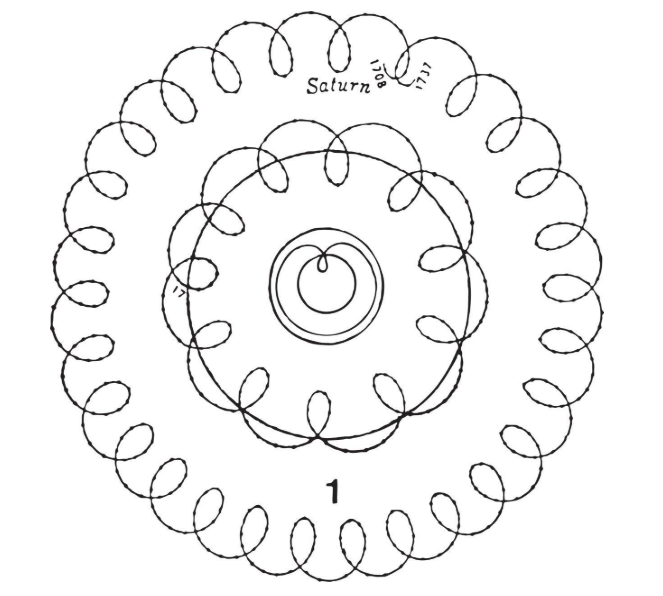
- What it offers: Mandalas provide a contained structure that promotes focus, reduces anxiety, and enhances emotional regulation. The act of repetitive coloring or drawing is meditative and calming, providing a sense of completion within a safe boundary.
Art Therapy and Trauma
Art therapy is exceptionally effective for trauma because trauma is often stored in the body and brain in a non-verbal, sensory format (images, sounds, physical sensations). Trying to retrieve these experiences with words can be impossible or re-traumatizing.
- Bypassing the Verbal Barrier: Art allows you to approach the trauma narrative indirectly. You might not be able to talk about the event, but you can draw the color of the fear, or the shape of the panic. This allows you to process the emotion without having to relive the overwhelming details verbally, making it gentler and safer.
- Containment: The edge of the paper or the boundary of the clay acts as a safe container for the difficult emotion. Once the feeling is externalized onto the page, the therapist can work with you to understand it from a safe distance, reducing the risk of emotional flooding or dissociation.
- Restoring Control: You are in complete control of the materials, the pace, and the image. If an image becomes too intense, you can crumple it, cover it, or tear it up. This act of choice directly counteracts the powerlessness that is central to trauma, helping to rewire your nervous system toward agency.
What Happens in an Art Therapy Session? (A Practical Look)
A typical art therapy session is usually structured, but flexible, depending on your goals:
- Check-In (5–10 minutes): The therapist checks in verbally about your week and your current emotional state.
- Directive (20–30 minutes): The therapist provides a prompt tailored to your goals (e.g., “Use paint to express the conflict you described,” or “Create an image of the self you want to be”).
- Creation (30–45 minutes): You work on your art piece. The therapist usually remains silent, observing your process (how you handle the materials, the speed of your work, your non-verbal cues) but available for support.
- Processing (15–20 minutes): The therapist guides you in reflecting on the finished piece. This is the crucial step that differentiates art from simple self-expression.
- The therapist does not interpret your art. They ask open-ended questions: “What did you learn about yourself while making this?” “What part of this image speaks the loudest?” “If this sculpture could talk, what would it say?”
- The meaning and insight always come from you.
- Closure (5 minutes): Preparing to transition out of the session, discussing where the artwork will be stored (usually in a confidential folder kept by the therapist), and planning the next steps.
Making the Commitment
Choosing art therapy is choosing to give yourself permission to explore your inner world without the pressure of perfect language. It allows you to transform the messiness of your feelings into something concrete, understandable, and ultimately, manageable.
If you are someone who struggles to find the words, feels overly intellectual, or is dealing with experiences that defy easy verbal description, embracing creativity in therapy can be a gentle, yet powerful, path toward healing, self-discovery, and finding your voice in a way you never thought possible.

Free consultations. Connect free with local health professionals near you.
Conclusion
The Bottom Line: Art Therapy as a Bridge to Wholeness and Self-Acceptance
If you’ve followed this exploration of Art Therapy Approaches, you’ve discovered a powerful, liberating truth: Your internal life is richer and more complex than your verbal language can capture. The struggles that feel too big or too old for words—the silent weight of trauma, the chaos of anxiety, the grief that has no name—can find their voice and form through creation. Art therapy offers a crucial pathway when the talking stops, providing a dynamic, flexible alternative to traditional verbal methods.
The core promise of art therapy is not about producing beautiful work; it’s about making your inner world visible, tangible, and manageable. By using materials like paint, clay, or collage, you take overwhelming internal distress and place it outside yourself (externalization), where it can be examined, safely contained, and, ultimately, healed.
This conclusion is dedicated to emphasizing the long-term, structural gifts that committing to an Art Therapy approach provides. It is about understanding that you are not just expressing yourself; you are fundamentally integrating your thoughts, feelings, and physical sensations to achieve a deeper, more resilient sense of self.
The Lasting Gift of Self-Insight and Integration
The most profound long-term benefit of art therapy is the unique self-insight achieved through non-verbal means. The therapeutic process encourages you to see and understand parts of yourself that words might have hidden or distorted.
- Bypassing Intellectual Defenses: For many, intellectualizing feelings is a primary coping mechanism. You can talk about anxiety without ever truly feeling it. Art therapy forces a shift. When you are asked to draw the color or shape of your anxiety, you bypass the intellectual filter and connect directly to the raw, emotional, and sensory experience. This direct connection, achieved without judgment (Pillar 1: Psychodynamic Approach), leads to genuine, often startling, self-discovery and insight.
- Making the Unconscious Visible: The symbolic language of art provides permanent clues to your inner conflicts. A recurring motif, a dominant color, or the relationship between two figures in your collage can reveal a core pattern—an unexpressed need or an unresolved relational issue—that years of talking might miss. Once the unconscious becomes visible on the page, the therapist guides you in making conscious meaning, leading to deep psychological integration.
- A New Language for the Future: Over time, the materials themselves become part of your emotional vocabulary. You learn that reaching for the smooth, controlling pencil means you need structure, and reaching for the fluid, messy paint means you need release. This non-verbal awareness allows you to identify your emotional needs earlier and choose coping strategies more effectively, long after therapy ends.
Restoring Safety: Art as a Container for Trauma
Art therapy is uniquely suited for healing trauma because it respects the body’s need for safety and containment. Trauma is stored non-verbally, and art is the perfect language for its release and integration.
- Externalization and Distance: The act of transferring an overwhelming memory or feeling onto the page (or into clay) achieves externalization. The image acts as a container—a safe, bounded space where the feeling is no longer inside you, controlling you, but outside you, available for examination. This distance is vital for reducing the risk of emotional flooding or dissociation, a key element of effective, trauma-informed care.
- Mastery Over Material: The therapeutic use of materials directly addresses the core trauma experience of powerlessness. When you feel overwhelmed, you can choose a highly controlled material (like pencil or markers). When you need release, you choose a fluid, expressive material (like finger paint or plaster). This absolute control over the art materials acts as a profound, corrective experience that begins to rewire your nervous system toward agency and choice.
- Somatic and Sensory Integration (Pillar 2: Humanistic Approach): Trauma leaves the nervous system dysregulated. Working with highly sensory materials (like the texture of clay or the weight of plaster) acts as a powerful grounding tool. The physical experience of shaping the material reconnects the mind to the body, fostering the sense of stability and presence necessary for healing.
The Empowerment of Process and Resilience
The emphasis on the process over the product (Pillar 2) is highly empowering. It teaches you a critical life lesson: perfection is not required for valuable self-expression or emotional relief.
- Valuing the Effort: In art therapy, effort and exploration are praised over aesthetic quality. This validation of the process transfers to life, allowing you to approach challenges with less fear of failure and greater confidence in your own efforts. This increased self-efficacy is foundational for future resilience.
- The Power of Destruction and Transformation: Sometimes, the most important therapeutic moment is when you are invited to deliberately tear up, paint over, or reshape a piece of art that represents a toxic feeling or a painful memory. This act of destruction followed by recreation (transformation) is a direct, visceral lesson that you have the power to change, rework, and transform even the most entrenched feelings or difficult experiences in your life.
- A Permanent Resource: Art therapy doesn’t just treat symptoms; it develops a creative coping mechanism that is always accessible. Long after the therapy sessions end, you retain the ability to turn to a notebook, a sketchbook, or a box of paints during times of stress, knowing that you have a non-verbal, trustworthy tool to manage difficult emotions and facilitate self-reflection.
Choosing art therapy is choosing a path to healing that respects the depth and complexity of your inner world. It gives you permission to be messy, symbolic, and imperfect, leading you gently toward a more integrated, creative, and resilient self.
Time to feel better. Find a mental, physical health expert that works for you.
Common FAQs
If you’ve read about Art Therapy, you understand that it’s a powerful way to heal using creativity when words fail. Here are the most common questions clients ask about what art therapy is, who it helps, and how it works:
Do I need to be artistic or talented to do Art Therapy?
Absolutely not. This is the number one misconception.
- Focus on Process: Art therapy focuses entirely on the process of creation and the meaning that you derive from the work, not the aesthetic quality of the final product.
- Simple Materials: You won’t be expected to paint masterpieces. Simple materials like crayons, markers, clay, or collage are often used because they encourage spontaneous, honest expression over technical skill. No judgment is passed on your ability to draw a straight line or a stick figure.
Is Art Therapy just for children or people with severe conditions?
No. Art therapy is highly effective for people of all ages and across the entire spectrum of mental health needs.
- Who it Helps: It is particularly useful for adults and adolescents who struggle with:
- Trauma: Experiences that are stored non-verbally in the body.
- Grief: Emotions that feel too overwhelming to talk about.
- Anxiety and Stress: For grounding and emotional regulation.
- Intellectualization: When a client is overly verbal and intellectual, art helps bypass mental defenses to access deeper feelings.
If I make art, how is that different from just having a creative hobby at home?
The key difference is the presence of the trained art therapist and the processing stage.
- The Therapist’s Role: A credentialed art therapist is trained in both visual art and psychological theory. They provide a safe framework (the directive) and select materials specifically to help you meet your therapeutic goals.
- Processing: The therapeutic value comes after the art is finished. The therapist guides you through open-ended questions (Pillar 1: Psychodynamic Approach) to explore the meaning, emotions, and insights contained within the piece. Without this clinical processing, it’s just a hobby.
Does the therapist analyze or "read my mind" based on my drawings (e.g., interpret my use of dark colors)?
No. A trauma-informed, ethical art therapist does not interpret your artwork for you.
- Client as Expert: You are the expert on your own inner world. The meaning always comes from you.
- Guiding Questions: The therapist will use your image as a tool, asking questions like, “What meaning does the color blue have for you right now?” or “What story does this figure want to tell?” This is intended to help you unlock your own insight, not to impose theirs.
My emotions feel overwhelming. How can making art help me feel less overwhelmed?
Art helps by providing externalization and containment.
- Externalization: You take the messy, chaotic feeling (anxiety, anger) and transfer it onto a two-dimensional space (the paper) or a three-dimensional object (the clay). Now, the feeling is outside of you, where it can be examined and understood from a safe distance.
- Containment: The edge of the paper or the boundaries of the sculpture act as a container for the difficult emotion. You are in control of the size and intensity of the piece, which directly counters the feeling of powerlessness central to trauma and anxiety.
- Grounding (Pillar 2: Humanistic Approach): Working with highly sensory materials, like clay, is incredibly grounding, connecting your mind back to your body and reducing dissociation.
What if I make something ugly, scary, or angry? What happens to the artwork?
That is perfectly acceptable and often encouraged!
- Non-Judgment: The art room is a safe space for all feelings, including anger and pain. Making a “scary” image is often the first step to processing the fear safely.
- Storage and Control: The artwork is confidential and belongs to you. It is usually stored securely in a folder at the therapist’s office. You always have the choice to keep it, throw it away, tear it up, or take it home. This control over the product is part of the therapeutic process.
How does the CBT approach to Art Therapy actually change my behavior?
The Cognitive Behavioral approach (Pillar 3) uses visual representation to change thought patterns.
- Reframing: If you struggle with chronic negative self-talk, the therapist might ask you to draw your “Inner Critic” as a separate character (Externalization).
- Skills-Based Change: Once the critic is externalized, you might then draw a “Wise Self” or a “Superpower Shield.” You can literally re-draw the situation, visually reducing the power of the critic and replacing it with a concrete image of resilience or self-compassion, leading to behavioral change.
Will I still have to talk in Art Therapy, or is it completely silent?
You will still be talking, but the focus and depth of the conversation will be different.
- The Three Stages: A session is typically divided into three parts: a verbal check-in, the non-verbal creation time, and the verbal processing time.
- The Image Leads: The talking is generally driven by the image you create. Instead of struggling to find words from scratch, you talk about the finished image, making the conversation easier, deeper, and more focused.
People also ask
Q: What is the importance of finding your artistic voice?
A: Having a unique artistic voice is essential in today’s diverse world. Your distinctive voice distinguishes you from other artists, making your work sought-after.
Q:What is art therapy in simple words?
A: Art therapy encourages creative expression through painting, drawing, or modeling. It may work by providing persons with a safe space to express their feelings and allow them to feel more in control over their lives.
Q: What does it mean to find your voice as an artist?
A: Your artistic voice is a combination of how you see the world, the ways in which you choose to express that vision, and the unique qualities that distinguish your art from others. Developing an artistic voice is a process that involves experimentation, self-reflection, and a deep engagement with your medium.
Q:What is the importance of finding your voice?
A: Finding your voice isn’t just about standing behind a microphone or speaking from a stage, it’s about having the confidence to show up as yourself, whether you’re at work, with family, in your community, or simply trying to navigate everyday life. For many people, speaking up feels like a risk.
NOTICE TO USERS
MindBodyToday is not intended to be a substitute for professional advice, diagnosis, medical treatment, or therapy. Always seek the advice of your physician or qualified mental health provider with any questions you may have regarding any mental health symptom or medical condition. Never disregard professional psychological or medical advice nor delay in seeking professional advice or treatment because of something you have read on MindBodyToday.
Share this article

Let us know about your needs

Quickly reach the right healthcare Pro

Message health care pros and get the help you need.
Popular Healthcare Professionals Near You
You might also like

What is Psychodynamic Therapy Principles?
, What is Psychodynamic Therapy Principles? Everything you need to know Find a Pro Digging Deeper: A Simple Guide to […]

What is Dialectical Behavior Therapy (DBT)?
, What is Dialectical Behavior Therapy (DBT) ? Everything you need to know Find a Pro Navigating the Storm: Understanding […]

What is Cognitive Behavioral Therapy (CBT)?
, What is Cognitive Behavioral Therapy (CBT) ? Everything you need to know Find a Pro Your Thoughts Are Not […]

