
What is Couples Counseling Techniques
?
Everything you need to know
Rebuilding the Bridge: A Simple Guide to Couples Counseling Techniques
If you and your partner are considering couples counseling, you’ve already taken a massive step toward health. It’s natural to feel nervous, maybe a little scared, or even a bit skeptical. You might wonder, “Are we just going to sit there and argue?” or “What magic words does this person have that we don’t?”
It’s important to know that couples counseling isn’t magic, and it’s definitely not just supervised fighting. It is, first and foremost, a place where you and your partner learn new skills and practical techniques to identify and break old, destructive patterns. It’s a dedicated, safe space to stop seeing each other as the problem or the enemy and start seeing the true problem: the rigid, negative cycle you’re both helplessly trapped in.
Every couple is unique, so every highly trained therapist uses a blend of approaches tailored to your specific issues, needs, and personalities. However, the most successful couples counseling draws from a few key models. These models provide the essential tools to stop the blame game, repair emotional injuries, and, most importantly, rekindle deep, secure emotional connection.
Time to feel better. Find a mental, physical health expert that works for you.
This article is your warm, supportive roadmap to the world of couples counseling techniques. We’ll explore the main goals, the common tools used, and how these techniques translate into real, practical change in your relationship, moving you from conflict to lasting connection. Understanding the process can make the first step into the therapy room feel much less daunting.
Part I: The Universal Goal—Stopping the Cycle
Before diving into specific techniques, it’s vital to understand the primary goal of almost all modern couple’s therapy: identifying and dismantling the Negative Interaction Cycle.
What is the Negative Cycle?
Every couple, even the happiest and most loving ones, falls into a destructive cycle under stress. This cycle is predictable, and it’s the real problem, not your partner’s personality or inherent flaws. It usually starts when one partner feels a core attachment need threatened.
Imagine a typical, common scenario, often called the Pursuer-Distancer cycle:
- The Trigger: Partner A feels neglected or unseen (a core fear based on their emotional history).
- Partner A’s Response (The Attack/Pursuit): Partner A gets critical, demanding, or floods the partner with worried complaints (“You never help me! We never talk!”). This is their distressed, loud way of desperately reaching out for reassurance.
- Partner B’s Response (The Defense/Distance): Partner B feels attacked, overwhelmed, and criticized. Their core fear is often failure or inadequacy. They shut down, withdraw, or defend fiercely (“I can’t do anything right. I’m leaving the room.”).
- The Escalation: Partner A sees the withdrawal as confirmation of their initial fear (abandonment/neglect), and they ramp up the pursuit, maybe following them into another room or sending angry texts. Partner B shuts down harder or explodes.
The cycle repeats, leaving both partners feeling lonely, misunderstood, and emotionally bruised. The counselor’s job is to stop this cycle dead in its tracks and help you both see the deeper, vulnerable feelings (the fear, the loneliness, the desire for closeness) hidden beneath the destructive behaviors (the criticism, the withdrawal).
Part II: Technique Focus 1 — Emotionally Focused Therapy (EFT)
EFT is one of the most effective and highly researched forms of couples counseling. It’s based on attachment theory, which suggests that we rely on our partners for safety and security, just as a child relies on a parent for comfort. When the relationship is stressed or disconnection happens, our survival alarms go off, and we react based on old, primal fears.
The EFT Goal: Repairing Attachment Injuries
EFT doesn’t focus on what you argue about (the dishes, the money); it focuses on why the arguments spiral into fear and disconnection. It is a structured approach that seeks to reorganize and create new, secure emotional responses between partners.
Key EFT Techniques You Will Learn:
- Tracking the Cycle and Identifying the Demon
Your therapist will act like a detective, carefully listening to your typical argument and then showing it back to you using neutral language. They will literally name the cycle you’re trapped in.
- In Session: The therapist might intervene during a fight and say, “Stop. I see that when Sarah criticizes, she is really saying, ‘Do you still care about me? Am I alone here?’ And when Mark withdraws, he is really saying, ‘I’m afraid I’m going to fail you, so I’ll disappear to protect myself.'”
- The Power: Naming the cycle externalizes the problem. It becomes “The Demon Dance” or “The Cycle,” not “Mark’s fault” or “Sarah’s fault.” This reduces defensiveness immediately and creates a sense of shared purpose to fight the cycle, not each other.
- Deepening the Emotion (Going Beneath the Surface)
EFT believes that your surface emotions (anger, annoyance, frustration) are protective shields. The deeper, vulnerable emotions (fear, shame, loneliness, sadness) are the ones that actually hold the key to connection.
- In Session: If Partner A yells, “You never listen!” the therapist might intervene: “Stop. I hear the anger, that’s your pursuit kicking in. But beneath that anger, what are you afraid will happen if he doesn’t listen? Are you feeling very small and alone right now, like you did as a child?”
- The Power: By accessing and expressing that vulnerable emotion, the aggressive energy drops. The partner receiving the message can now hear the need for connection instead of just the loud criticism. This is where empathy is unlocked.
Connect Free. Improve your mental and physical health with a professional near you

- Restructuring and “Holding” Moments
The goal is to create new, positive, secure interaction patterns in the session that can be taken home and repeated.
- In Session: The therapist guides the withdrawn partner (the one who usually shuts down) to consciously stay present and listen to the vulnerable emotion. Then, they guide the pursuing partner to ask for what they need directly and softly (“Could you just hold my hand and tell me you’re not leaving me, even when I’m angry?”). The withdrawn partner practices staying present and offering comfort—a new, secure response that rewrites the pattern.
- The Power: These are moments of profound emotional repair. They are called “holding” moments because the partner successfully “holds” the other’s vulnerability and meets their emotional need, creating a lasting emotional memory of safety.
Part III: Technique Focus 2 — The Gottman Method
The Gottman Method, developed by researchers Dr. John and Dr. Julie Gottman, is based on decades of rigorous scientific study of thousands of couples in a lab setting. It focuses heavily on behavioral repair and practical skill-building, emphasizing friendship and conflict management.
The Gottman Goal: Disarm the Four Horsemen
The Gottmans famously identified four destructive communication patterns, which they called The Four Horsemen, that predict divorce with astonishingly high accuracy. The method provides specific, practical antidotes to disarm them.
Key Gottman Techniques You Will Learn:
- Identifying and Banishing the Four Horsemen
You will learn to recognize and stop these behaviors immediately in yourself and your partner:
- Criticism (Attack on character): Antidote is Gentle Startup (focus on feelings and needs, not the partner’s flaws).
- Contempt (Superiority, disrespect, eye-rolling): Antidote is a Culture of Appreciation (frequent expressions of respect, fondness, and admiration).
- Defensiveness (Victim posture, excuses): Antidote is Taking Responsibility (admitting your role in the problem, even a small one, to de-escalate).
- Stonewalling (Shutting down/withdrawing): Antidote is Self-Soothing and Re-engagement (taking a minimum 20-minute break to physically calm your body before continuing the discussion).
- Flooding and Self-Soothing (The 20-Minute Rule)
The Gottmans discovered that when conflict gets intense, people become “flooded”—their heart rate accelerates past 100 beats per minute, adrenaline spikes, and the body literally goes into fight or flight. When flooded, communication is neurologically impossible.
- In Session: You learn to identify the physical signs of flooding (rapid heart rate, tension, cold hands, tunnel vision). You agree to take a minimum 20-minute break to allow the adrenaline and stress hormones to leave the system before continuing the discussion calmly.
- The Power: This is a crucial Distress Tolerance skill for couples. It replaces destructive avoidance with constructive calming, creating physical and emotional safety during conflict.
- Building Love Maps and Bids for Connection
The Gottman Method emphasizes proactively maintaining the relationship outside of conflict by building a strong friendship.
- Love Maps: You learn detailed knowledge about your partner’s current inner world (their dreams, worries, best friends, current history) by answering specific questions. This knowledge is your “Love Map.”
- Bids for Connection: These are small, everyday attempts to connect (a touch on the shoulder, a shared joke, an offer of help). You learn to recognize and “Turn Towards” these bids (respond positively) rather than “Turning Away” (ignoring them).
- The Power: A strong Friendship System (high “Turn Towards” rate) creates a reserve of goodwill that cushions the relationship during inevitable conflict.
Conclusion: Skills Lead to Freedom and Security
Couples counseling is not about finding the “right” person to blame; it’s about learning the techniques that turn two individuals who are afraid and defensive into a secure, collaborative team.
Whether you are guided by the deep emotional bonding of EFT, the practical skill-building of the Gottman Method, or a blended approach, the underlying lesson is the same: conflict is normal, but the way you respond to it can change.
By showing up, being vulnerable, and committing to learning and practicing these techniques, you move from feeling helpless in a destructive cycle to feeling empowered to build a resilient, loving, and secure future together. You learn that your partner is your safe harbor, not your adversary.

Free consultations. Connect free with local health professionals near you.
Conclusion
Sustaining Connection and Mastering the Art of Intimacy
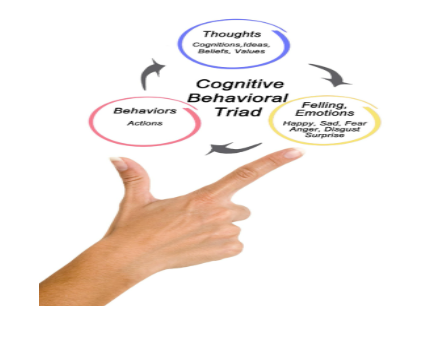
You’ve completed a detailed exploration of Couples Counseling Techniques, recognizing the core goal is to stop the destructive Negative Interaction Cycle that leaves both partners feeling isolated and misunderstood. You now understand the foundational theories and practical tools of the most effective models: Emotionally Focused Therapy (EFT) for deep emotional and attachment repair, the Gottman Method for behavioral skill-building and strengthening friendship, and Cognitive Behavioral Couple Therapy (CBCT) for changing negative thought patterns and increasing positive reciprocity.
This concluding article focuses on integration and self-maintenance: how to sustain the intimacy, security, and skillful communication achieved in couples counseling and ensure the bridge you’ve rebuilt remains strong, even when life’s inevitable storms hit. The goal is to move from simply managing conflict to actively mastering the art of emotional intimacy.
Phase 1: Internalizing the Attachment Awareness (EFT)
The most profound shift from EFT is the realization that conflict isn’t about the dishes or the money; it’s about a momentary perceived threat to your fundamental attachment bond. Sustaining security means consciously monitoring that bond.
- Recognizing Your Vulnerable Signal
The core EFT lesson is to speak from your vulnerability (fear, loneliness, sadness) instead of your protection (anger, criticism, withdrawal).
- The Self-Check: When you feel the urge to criticize or withdraw, pause and ask yourself: “What is the real feeling beneath this reaction? What am I afraid is happening to our connection?” Are you afraid of being abandoned? Are you afraid of being rejected?
- Changing the Script: Commit to delivering the vulnerable signal first. Instead of, “You never talk to me, you’re always on your phone!” try, “I miss you right now, and I feel lonely when you’re on your phone. I need a minute of connection.” This shifts the conversation from an attack that triggers defensiveness to a request that invites connection.
- Monitoring the Cycle Together
The “Demon Dance” you identified in therapy doesn’t disappear; it just becomes quieter and easier to spot. Sustaining the connection means becoming co-managers of the cycle.
- Using the Code Word: Establish a code word or phrase learned in therapy (like “We are doing the dance,” or “Horseman Alert!”) that you can use immediately and non-judgmentally when one of you notices the negative cycle beginning. This allows you to stop the fight before it spirals, reinforcing your shared identity as a team fighting the cycle, not each other.
- Intentional Repair: Recognize that you will hurt your partner and will trigger their fears. The key is how quickly you repair. If you snap, use the EFT lesson to apologize by acknowledging their pain: “I’m sorry I snapped. I know my anger probably made you feel unsafe/unimportant, and that was not my intent. I was just stressed.” This focuses on the impact on them, not just your intent.
Phase 2: Mastering Behavioral and Cognitive Repair (Gottman/CBCT)
EFT provides the emotional map, while the Gottman Method and CBCT provide the practical tools to navigate the terrain of daily life and prevent unnecessary conflict buildup.
- Daily Deposit of Goodwill (Gottman)
The most powerful protective factor in the Gottman Method is a strong, loving friendship maintained through small daily actions.
- Turning Towards: Make it a habit to notice and “Turn Towards” your partner’s “Bids for Connection.” If they make a casual comment, offer a simple touch, or share a story, stop what you’re doing and give them 30 seconds of focused attention. This frequent, low-effort validation prevents the Love Tank from running empty, ensuring you have the emotional reserve needed when major conflict inevitably arises.
- Culture of Appreciation: Actively and specifically express appreciation daily. Instead of a generic “Thanks,” try, “I really appreciate that you took the time to put gas in the car. It shows me you are thinking about my busy schedule.” This is the antidote to Contempt and Criticism.
- Proactive Conflict Management (Gottman/CBCT)
You learned specific techniques to use when conflict arises; now you must commit to using them consistently.
- The Gentle Startup: When you need to raise a difficult issue, always use a Gentle Startup (CBCT principle, Gottman tool): Focus on your feeling, the specific behavior, and your positive need. Avoid “you” statements. Instead of: “You are so irresponsible!” Try: “I feel anxious when the bills pile up, and I need us to set aside 15 minutes tonight to look at them together.”
- The 20-Minute Pause: Commit to the 20-minute Self-Soothing Rule (Gottman). If you feel yourself or your partner beginning to flood (escalating heart rate, yelling, defensiveness), agree to pause and separate immediately. Use the 20 minutes to self-soothe (breathing, drinking water, going for a walk), not to rehearse the next argument. Returning calmly reinforces safety.
- Challenging Negative Filters (CBCT)
Conflict is often fueled by negative assumptions, not facts. Sustaining stability means continuously challenging your own interpretation of your partner’s actions.
- Cognitive Restructuring: When you feel a surge of anger toward your partner, immediately challenge the hostile thought. For example, if you think, “She left her clothes on the floor to intentionally annoy me,” ask: “Is there a benign explanation? Is she tired? Is she just forgetful?” Replacing the hostile attribution with a benign one instantly reduces your emotional reaction and keeps the issue manageable.
Conclusion: Building an Enduring Bridge
Couples counseling provides the language and the map for emotional intimacy. It’s challenging work that requires daily commitment, but the reward is a secure attachment—a relationship where you feel safe, seen, and heard, even when you are imperfect.
The techniques you learned are your tools for maintaining that bridge. By prioritizing vulnerable communication (EFT), building a rich friendship (Gottman), and challenging hostile thoughts (CBCT), you transition from being two individuals struggling through a conflict cycle to a resilient team dedicated to preserving your secure bond. This mastery of intimacy is the key to a truly enduring and joyful partnership.
Time to feel better. Find a mental, physical health expert that works for you.
Common FAQs
Here are some common questions people have when exploring or starting couples counseling.
What is the primary goal of couples counseling?
The primary goal of most modern couples counseling is to identify and dismantle the couple’s Negative Interaction Cycle (the predictable, destructive pattern they get stuck in). The aim is to stop the cycle of criticism/pursuit and defensiveness/withdrawal, and replace it with patterns of secure emotional responsiveness and effective communication.
Is couples counseling just supervised fighting?
No. Couples counseling is a structured process focused on skills acquisition and emotional repair. The counselor’s role is not to referee arguments, but to interrupt destructive patterns, help partners express the vulnerable feelings beneath the surface (fear, loneliness), and teach concrete techniques to communicate safely.
What is Emotionally Focused Therapy (EFT)?
EFT is one of the most effective and highly researched forms of couple’s therapy. It is based on attachment theory, which focuses on how partners are bonded and what happens when that bond feels threatened.
- Focus: It aims to identify and restructure the emotional responses that drive the negative cycle, creating a more secure attachment between partners.
- Key Technique: Deepening the Emotion—helping partners express their soft, vulnerable feelings (like fear or sadness) instead of their harsh, protective feelings (like anger or criticism).
What is the Gottman Method?
The Gottman Method is a research-based approach that focuses heavily on practical skill-building and strengthening the friendship and intimacy within the relationship.
- Focus: It helps couples increase positive interactions and manage conflict effectively by focusing on specific behaviors.
- Key Concept: Identifying and using antidotes against The Four Horsemen (Criticism, Contempt, Defensiveness, and Stonewalling).
What are The Four Horsemen?
The Four Horsemen are the four most destructive communication patterns identified by Gottman research that predict relationship failure:
- Criticism: Attacking the partner’s character or personality.
- Contempt: Treating the partner with disrespect, mockery, or superiority (the most damaging).
- Defensiveness: Seeing oneself as the victim and making excuses.
- Stonewalling: Withdrawing, shutting down, and disengaging from the interaction.
What is the 20-Minute Rule from the Gottman Method?
This is a key crisis management skill. When conflict causes a partner to become “flooded” (heart rate accelerating, adrenaline spiking), communication becomes impossible. The 20-Minute Rule dictates that the couple must stop the discussion and take a minimum 20-minute break to allow their physiology to calm down before resuming the conversation constructively.
What is Cognitive Behavioral Couple Therapy (CBCT)?
CBCT is a practical, present-focused approach that aims to change how partners think about each other and how they behave toward each other.
- Key Techniques:
- Cognitive Restructuring: Challenging negative assumptions about a partner’s intent (e.g., assuming forgetfulness instead of malice).
- Behavioral Exchange: Scheduling small, specific positive actions to increase goodwill and reciprocity.
What is the "Gentle Startup," and why is it important?
The Gentle Startup is a specific communication technique taught in both Gottman and CBCT. It is the antidote to Criticism. It involves raising an issue by focusing on your own feelings and needs, rather than attacking your partner’s behavior or character.
- Formula: Start with “I feel [emotion] when [specific behavior happens], and I need/wish [positive request].”
Does couples counseling focus more on feelings or actions?
Effective couples counseling uses both. EFT focuses initially on feelings and attachment needs to create empathy. The Gottman Method and CBCT focus on actions and skills to ensure the emotional connection is supported by daily positive behaviors. An integrated therapist uses both approaches.
Does couples counseling mean we have to stay together?
No. The goal of couples counseling is to help the couple clarify and achieve their own goals. For some, the goal is to repair and reconnect. For others, the goal is to communicate effectively during a separation or divorce process, ensuring the relationship ends respectfully, especially if children are involved. The counselor supports the couple’s chosen path.
People also ask
Q: What are the four behaviors that cause 90% of all divorces?
A: Relationship researchers, including the Gottmans, have identified four powerful predictors of divorce: criticism, defensiveness, stonewalling, and contempt. These behaviors are sometimes called the “Four Horsemen” of relationships because of how destructive they are to marriages.
Q:What are the 5 predictors of divorce?
A: So what are the top five predictors of an impending divorce? Infidelity, money issues, lack of communication, constant bickering, and shaming over appearance. Finding a healthy balance between you and your spouse should always be your goal.
Q: What is silver divorce?
A: Grey divorce, also known as late‑life or “silver split” divorce, refers to the dissolution of long‑term marriages by couples typically aged 50 and older who are entering a new phase of life.
Q:What are the 4 things which make marriage successful?
A: As I look both back and forward, I see four elements of a successful marriage – respectful communication, selflessness, commitment, and grace and forgiveness. These helpful tips will help make any marriage stronger.
NOTICE TO USERS
MindBodyToday is not intended to be a substitute for professional advice, diagnosis, medical treatment, or therapy. Always seek the advice of your physician or qualified mental health provider with any questions you may have regarding any mental health symptom or medical condition. Never disregard professional psychological or medical advice nor delay in seeking professional advice or treatment because of something you have read on MindBodyToday.
Share this article

Let us know about your needs

Quickly reach the right healthcare Pro

Message health care pros and get the help you need.
Popular Healthcare Professionals Near You
You might also like

What is Psychodynamic Therapy Principles?
, What is Psychodynamic Therapy Principles? Everything you need to know Find a Pro Digging Deeper: A Simple Guide to […]

What is Dialectical Behavior Therapy (DBT)?
, What is Dialectical Behavior Therapy (DBT) ? Everything you need to know Find a Pro Navigating the Storm: Understanding […]

What is Cognitive Behavioral Therapy (CBT)?
, What is Cognitive Behavioral Therapy (CBT) ? Everything you need to know Find a Pro Your Thoughts Are Not […]

