Building Bridges, Not Walls: A Simple Guide to Couples Counseling Techniques
If you and your partner are considering couples counseling, you’re already showing immense courage and commitment. It takes vulnerability to admit your relationship is stuck, and it takes true partnership to seek help together.
It’s common to feel nervous about what happens behind the closed doors of a counseling room. Will it be endless fighting? Will the therapist take sides? Will it just be expensive complaining?
The truth is, effective couples counseling is far more than just talking. It is a highly structured, skill-based process where you learn new ways to communicate, understand, and connect. The therapist acts not as a judge, but as a skilled coach, teaching you specific, proven techniques to disrupt old, painful patterns and build new, healthy ones. The goal is to make the relationship the safe haven you both deserve.
This article is your warm, supportive guide to understanding the most common and effective Couples Counseling Techniques. We’ll break down the core ideas behind these powerful methods, show you what they look like in practice, and explain how these practical tools empower you to create a loving, resilient, and truly connected partnership.
Time to feel better. Find a mental, physical health expert that works for you.
The Goal Isn’t to Stop Fighting, It’s to Fight Better
Many couples enter therapy believing the goal is to eliminate all conflict. This is unrealistic. Conflict is an inevitable and even healthy part of any close relationship, as it simply reflects two different people with different needs, opinions, and histories trying to share a life.
The real goal of couples counseling is threefold:
- To Understand the Underlying Needs: To move beyond the surface arguments (the dirty dishes, the late arrival, the money argument) and identify the deep emotional needs beneath them (respect, security, feeling valued, feeling heard).
- To Stop the Escalation: To learn specific techniques that prevent arguments from spiraling into destructive, relationship-ending patterns like name-calling, contempt, defensiveness, or stonewalling.
- To Deepen Emotional Connection: To learn how to turn toward each other—especially during conflict—to build a lasting bond based on trust, secure attachment, and mutual support.
Technique 1: Gottman Method Couples Therapy (Gottman)
The Gottman Method, developed by Drs. John and Julie Gottman, is perhaps the most famous and well-researched approach. It’s built on decades of observing thousands of couples and identifying the specific behaviors that predict relationship success or failure. They can predict with over 90% accuracy which couples will stay together by looking at how they argue.
The Core Idea: The Sound Relationship House
The Gottman Method uses a comprehensive framework called the Sound Relationship House to teach couples how to build and maintain their relationship step-by-step. The therapist will help you strengthen each “floor” of the house, starting with basics like building love maps (knowing the details of your partner’s inner world) and sharing fondness and admiration (actively expressing appreciation).
Key Technique: The Four Horsemen and Their Antidotes
The most vital technique in Gottman therapy is learning to identify and eliminate the “Four Horsemen of the Apocalypse”—the four communication styles that the Gottmans found are highly predictive of divorce if left unchecked:
|
The Horseman
|
What It Sounds Like
|
The Antidote (The Technique)
|
|
1. Criticism
|
Attacking your partner’s character (“You are always selfish and lazy!”).
|
Gentle Startup: Complain without blame. Start with an “I feel…” statement and state a positive need (“I feel overwhelmed when the kitchen is messy. Could we agree on a time to clean tonight?”).
|
|
2. Contempt
|
Treating your partner with disrespect, hostility, or superiority (eye-rolling, sarcasm, sneering). This is the #1 predictor of divorce.
|
Building a Culture of Appreciation: Consciously look for things to praise, acknowledge, and appreciate in your partner every day, fostering respect.
|
|
3. Defensiveness
|
Playing the victim, making excuses, or immediately counter-attacking when criticized (“I’m not lazy, you’re the one who never plans anything!”).
|
Taking Responsibility: Accept even partial responsibility for the problem (“You’re right, I haven’t been helping with the chores. I can commit to doing the dishes tonight.”).
|
|
4. Stonewalling
|
Withdrawing emotionally and physically from the interaction (giving the silent treatment, shutting down, walking away).
|
Physiological Self-Soothing: Take a 20-minute break when feeling emotionally flooded. Focus on calming yourself (deep breathing, reading) and agree to return to the discussion later.
|
The therapist’s job is to coach you, in the moment, to stop a Horseman as soon as it appears and immediately replace it with its antidote. This teaches you how to keep conversations productive and safe.
Technique 2: Emotionally Focused Therapy (EFT)
Emotionally Focused Therapy (EFT), pioneered by Dr. Sue Johnson, is the gold standard for creating deep, lasting connection. Where Gottman focuses on observable behavior and communication, EFT focuses on emotion and attachment needs.
The Core Idea: The Dance of Attachment
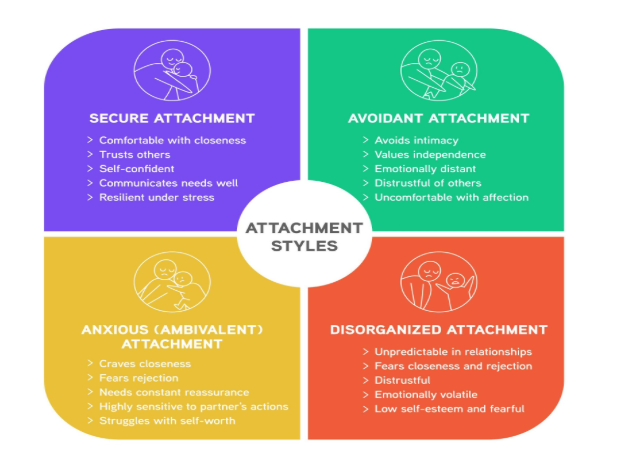
EFT views relationship distress as a direct result of feeling emotionally unsafe or disconnected from your primary attachment figure (your partner). When you feel disconnected, your deeper anxiety about the relationship triggers predictable, desperate reactions—usually getting caught in a destructive cycle called the “Negative Cycle” or the “Dance.”
The most common dance is the Pursuer-Withdrawer Cycle:
- The Pursuer: The partner who fears abandonment and tries desperately to get a reaction, attention, or reassurance (e.g., criticizing, demanding, getting loud).
- The Withdrawer: The partner who fears engulfment, being overwhelmed, or failing to meet their partner’s needs, and shuts down to protect themselves from pain or perceived criticism (e.g., going silent, changing the subject, leaving the room).
The devastating dynamic is that the more the Pursuer pursues (to feel safe), the more the Withdrawer withdraws (to feel safe), confirming both partners’ worst fears about the relationship. The cycle becomes the real enemy.
Connect Free. Improve your mental and physical health with a professional near you
Key Technique: Restructuring the Bond
The EFT therapist’s goal is to help the couple slow down the dance and identify the raw, vulnerable feelings and attachment needs that drive their behavior.
- Identifying the Cycle: The therapist first helps the couple see the Negative Cycle as the true enemy, not the partner. “This is not about who is right; this is about how your attempts to feel safe are unintentionally making your partner feel unsafe.”
- Accessing Unseen Emotions: The therapist helps the Pursuer acknowledge the underlying, soft feelings—the loneliness, fear of abandonment, or unmet need for connection—beneath their loud criticism. They help the Withdrawer access the deeper feeling of hurt, shame, or feeling inadequate beneath their silence.
- The “Hold Me Tight” Conversation: This is the heart of EFT. The therapist guides the couple through a vulnerable, direct conversation where they express their core attachment needs to each other in a new, soft, and clear way. The Withdrawer learns to stay present and reassure when the Pursuer expresses fear, and the Pursuer learns to ask for comfort instead of demanding or criticizing. This creates a powerful, new emotional bond based on secure attachment.
Technique 3: Imago Relationship Therapy
Imago Therapy, created by Harville Hendrix and Helen LaKelly Hunt, focuses on how our earliest childhood experiences influence our adult relationships, teaching structured dialogue to foster deep empathy.
The Core Idea: Unfinished Business
Imago posits that we unconsciously choose partners who resemble our primary childhood caretakers (the Imago or “image”) to try and finish “unfinished business”—to heal old wounds and finally get the love, attention, or safety we missed out on as children. When our partner inevitably fails to meet this ideal need, conflict erupts. Imago therapy suggests that the friction is growth trying to happen.
Key Technique: The Imago Dialogue
This is a highly structured, three-part communication process that ensures both partners are fully heard and validated. It strictly prohibits criticism, sarcasm, judgment, and interruption.
- Mirroring (The Receiver’s Role): The receiving partner must repeat exactly what the sending partner said, using the exact words of the sender, without analysis, paraphrasing, or adding their own perspective. Receiver: “If I heard you correctly, you feel like when I check my phone during dinner, you feel unimportant. Did I get all of that?” This ensures the Sender feels accurately heard and prevents the message from being distorted by the receiver’s filters.
- Validation (The Receiver’s Role): The receiver must acknowledge that the partner’s experience makes sense from their point of view, even if they don’t agree with it. Receiver: “That makes sense. Given that you grew up with parents who were always distracted by work, I can understand why my checking my phone would make you feel unimportant.” Validation does not mean agreement, only empathy.
- Empathy (The Receiver’s Role): The receiver expresses compassion for the partner’s feeling. Receiver: “I can imagine that must feel really lonely and maybe even a little painful.”
By strictly adhering to the Imago Dialogue, couples learn to step into their partner’s world, reduce defensiveness, and foster profound empathy, transforming conflict into a chance for growth.
Essential Skills Taught Across All Methods
While the approaches differ, all effective couples counseling will teach foundational skills vital for long-term relational health:
-
The Time-Out and Self-Soothing
Recognizing when you are emotionally flooded (when your heart rate spikes, your body gets hot, and you’re thinking brain shuts down) is crucial. All methods teach you to stop the fight before it gets destructive. The technique is simple: call a time-out (“I need a 20-minute break to calm down”), walk away, focus on a non-relationship-related activity (like listening to music or reading) to soothe your nervous system, and commit to resuming the conversation when calm.
-
Differentiating Wants from Needs
Arguments often occur over surface wants (e.g., “I want you to always clean the bathroom immediately”). Counseling teaches you to pause and identify the deep, underlying emotional need (e.g., “I need to feel respected, and a clean home makes me feel safe and valued”). Once the core need is expressed with vulnerability, compromise becomes much easier.
-
Making and Accepting Repair Attempts
A Repair Attempt is any statement or action—no matter how clumsy or small—that aims to defuse tension or prevent escalation. It can be a joke, a sincere “I’m sorry,” or a hand squeeze. The technique is twofold:
- The person escalating must learn to use a repair attempt.
- The person who is flooded must learn to accept the repair attempt, even if they’re still angry. Accepting a repair attempt is a choice to prioritize the relationship and connection over winning the argument.
Final Thoughts: What to Expect Next
Couples counseling is challenging work, but it is also the most rewarding work you can do for your relationship. You should expect to feel uncomfortable, vulnerable, and sometimes frustrated. You should also expect to feel seen, understood, and more connected than you have in years.
You are not going to therapy to change your partner; you are going to therapy to change the dynamic between you. By mastering these specific techniques—whether it’s stopping the Four Horsemen, slowing down the Pursuer-Withdrawer Dance, or using the Imago Dialogue—you build a new foundation where love and resilience can thrive, transforming your relationship into the safe and secure base you both need.
Free consultations. Connect free with local health professionals near you.
Conclusion
The Bottom Line: Couples Counseling as a Lifetime Investment in Connection
If you’ve followed this exploration of the leading Couples Counseling Techniques (Gottman, EFT, and Imago), you’ve recognized a key truth: A struggling relationship is not a sign of moral failure; it is a sign of a skills deficit. You and your partner are two good people caught in a destructive, painful dance.
The core purpose of couples counseling is not to assign blame, but to equip both partners with the specific tools and self-awareness needed to step out of that dance forever. It’s an investment in learning a new, more effective operating system for your partnership.
This conclusion is dedicated to emphasizing the long-term, lasting gifts that mastering these techniques offers. It is about understanding that the effort you put in today ensures that your relationship becomes a secure, resilient, and life-affirming haven for years to come.
The Shift from Reactive Fighting to Conscious Connection
The fundamental change that all successful couples counseling techniques achieve is the transformation of your conflict style. Before therapy, arguments were likely characterized by reactivity: one person says something sharp, the other instantly defends or attacks, and the interaction escalates into a painful, contemptuous spiral.
Counseling disrupts this by teaching you to identify the early warning signs and choose a different path:
- Gottman’s Antidotes: When you learn the antidotes to the Four Horsemen, you gain the power to stop the escalation.1 For example, instead of reacting to a criticism of your character with defensiveness, you learn to use the Antidote: taking partial responsibility (“You’re right, I could have handled that better”). This simple shift immediately de-escalates the tension and moves the conversation back toward problem-solving.
- EFT’s Slow-Down: When you understand the Pursuer-Withdrawer cycle, you stop seeing your partner’s behavior as aggression or abandonment.2 You learn to slow down and see the raw attachment need beneath the behavior. The Pursuer learns to recognize their pursuing behavior as a desperate cry for connection, and the Withdrawer learns to see their withdrawal as a fear of being criticized. By naming the underlying fear, you move from fighting each other to fighting the cycle.
This shift from unconscious reaction to conscious choice is the cornerstone of a resilient marriage.
Repetition and Repair: Building Trust and Security
While the techniques are taught in a therapist’s office, the real healing happens through repetition and successful repair attempts in your daily life. Every time you successfully stop a fight, every time you use a Gentle Startup, and every time you accept a moment of vulnerability, you are physically reinforcing the security of your emotional bond.
- The Emotional Bank Account (Gottman): The Gottman method teaches that you must have a high ratio of positive interactions to negative interactions (ideally 3$5:1$ outside of conflict and 4$20:1$ in general interaction) to buffer against stress.5 Learning to express appreciation and admiration daily is not fluffy; it is essential maintenance that builds up the Emotional Bank Account, so when conflict strikes, the inevitable negative interaction doesn’t bankrupt your relationship.
- Vulnerability and Reciprocal Trust (EFT): EFT repairs the bond by systematically creating moments of vulnerability where each partner risks showing their true, soft self (their fear of abandonment, their deep need for love).6 When the partner responds with compassion and assurance (“I’m here for you,” or “I’m not going to leave”), the relationship becomes a truly secure attachment base. This is the healing of old wounds, ensuring that your partner is the one you run to in a crisis, not the one you run from.
Beyond the Problem: Achieving Deeper Empathy
All three techniques are powerful tools for achieving empathy—the ability to genuinely understand and feel what your partner is experiencing.
The Imago Dialogue offers the most direct path to this goal. By forcing the listener to Mirror the message exactly, the listener has to temporarily set aside their own thoughts and feelings to truly take in their partner’s reality. When they then Validate the feeling (“That makes sense”), the sender feels profoundly seen, often for the first time in years. This process short-circuits the argument, because the true emotional need (to be seen and heard) is met, rendering the original conflict point (the dirty dishes) secondary.
Learning to empathize deeply means you stop seeing your partner’s actions as malicious or hurtful and start seeing them as desperate, albeit clumsy, attempts to meet their own needs. This shifts the mood of the relationship from one of adversarial tension to one of mutual compassion and problem-solving.
The Final Investment: Sustainable Health
The goal of this intensive, structured work is to make the therapist obsolete. You are learning a new set of communication reflexes and emotional awareness that you can carry forward independently.
When you leave counseling, you don’t leave the work behind. You leave with a personalized map:
- Your Negative Cycle: You know the precise steps of your particular dance (e.g., when I withdraw, she criticizes; when she criticizes, I withdraw).
- Your Antidotes: You know the specific tools required to stop the cycle (e.g., I need to call a time-out; she needs to use a Gentle Startup).
- Your Needs: You know your deepest attachment needs (e.g., my need for safety, my need to feel valued).
Couples counseling is the challenging, rewarding work that ensures your love is built not on fleeting infatuation or shared hobbies, but on a foundation of secure, resilient emotional connection. It is the single best investment you can make for the long-term health and joy of your partnership.
Time to feel better. Find a mental, physical health expert that works for you.
Common FAQs
If you and your partner are thinking about starting couples counseling, it’s natural to have questions about the process, the effort required, and the expected outcomes. Here are the most common questions clients ask about the core techniques used in effective relationship therapy:
People also ask
Q: What is the 7 7 7 rule for married couples?
A: The 7-7-7 rule is a relationship maintenance strategy where couples commit to: a date night every 7 days, a weekend getaway every 7 weeks, and a kid-free vacation every 7 months. This structured approach helps busy parents maintain romance and connection while raising children.
Q:What is the 50 30 20 rule for couples?
A: Learning how to budget as a couple means staying flexible and working as a team — especially when needs, goals, and finances shift. What is the 50/30/20 rule for married couples? It’s a popular budgeting method that suggests putting 50% of income toward needs, 30% toward wants, and 20% toward savings or debt.
Q: What is the 80 20 rule in relationships?
A: You should spend 80% of your time devoted to your relationship, and still have 20% freedom to follow your dreams and do what you want. That actually makes a whole lot of sense. Some couples can become so used to spending all their time together, they forget how to be apart.
Q:What are the 5 C's of a relationship?
A: These are not the only important qualities, but they are part of what can build a sturdy relationship. Take them in the spirit in which they are offered – as a lens to think about your own relationship. This blog is part of a series on the five Cs: Chemistry, Commonality, Constructive Conflict, Courtesy and Commitment.