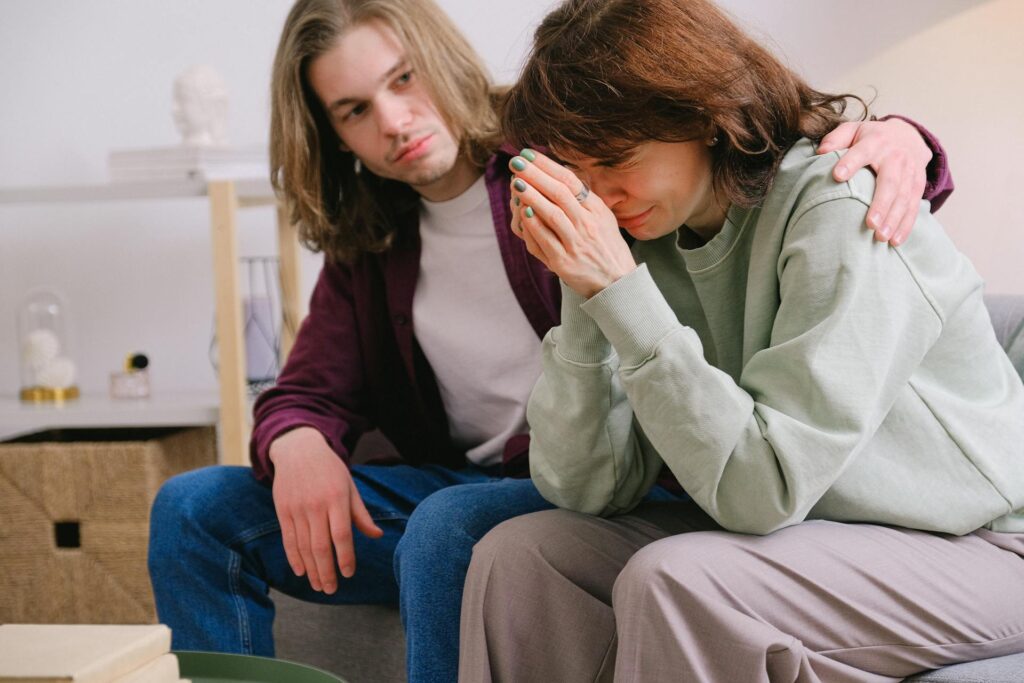
Gamophobia: Origins and Coping Strategies
Gamophobia, a specific and often debilitating phobia, transcends the common reluctance to settle down. It’s a profound fear of commitment that can manifest in various life arenas, particularly in romantic relationships. This article delves into the intricate origins of gamophobia and explores comprehensive coping strategies to help individuals navigate and overcome this challenging condition.
Time to feel better. Find a mental, physical health expert that works for you.
The Complex Origins of Gamophobia:
- Past Traumatic Experiences: The Scars of Emotional Wounds:
- The bedrock of gamophobia often lies in deeply ingrained traumatic experiences. Betrayal, abandonment, or emotional abuse in previous relationships can create lasting psychological scars.
- Witnessing or experiencing dysfunctional or abusive relationships, particularly during formative childhood years, can instill a profound fear of replicating those patterns.
- These experiences foster the development of negative schemas, or core beliefs, about relationships, such as “relationships are inherently painful,” “I am destined to be hurt,” or “I am not worthy of love.” These schemas act as cognitive filters, distorting present experiences and reinforcing the fear of commitment.
- The emotional pain associated with past traumas becomes so intensely linked with commitment that individuals develop avoidance mechanisms to protect themselves.
- This can lead to a cycle of self-sabotage, where the person avoids deep connection to avoid the potential of deep pain.
- Attachment Styles: The Blueprint of Relationship Patterns:
- Attachment theory, pioneered by John Bowlby and Mary Ainsworth, illuminates the profound influence of early childhood relationships on adult relationship patterns.
- Insecure attachment styles, such as anxious-preoccupied, avoidant-dismissive, and disorganized, can significantly contribute to gamophobia.
- Individuals with anxious-preoccupied attachment may crave intimacy but harbor a deep-seated fear of rejection, leading to a push-pull dynamic that can be misconstrued as gamophobia.
- Those with avoidant-dismissive attachment prioritize independence and emotional distance, viewing commitment as a threat to their autonomy. They learned early on that their emotional needs were not met, therefore they avoid those needs in adulthood.
- Disorganized attachment, characterized by a mix of anxious and avoidant tendencies, creates internal conflict and instability in relationships. These people simultaneously desperately want intimacy, and are terrified of it.
- These insecure attachment styles cultivate a fear of vulnerability and dependence, making commitment feel like a perilous endeavor.
- Societal and Cultural Influences: The Echoes of Collective Narratives:
- Societal pressures and cultural norms can shape perceptions of commitment, contributing to the development of gamophobia.
- Exposure to negative portrayals of relationships in media, such as movies and television shows that emphasize conflict and infidelity, can reinforce fears.
- The increasing prevalence of casual relationships and “hookup culture” may desensitize individuals to the value of long-term commitment, fostering a sense of detachment.
- The constant exposure to social media, and the “perfect” lives that are often portrayed, can cause many people to have unrealistic relationship expectations.
- Fear of Loss of Autonomy: The Threat to Individual Freedom:
- Some individuals with gamophobia harbor a deep-seated fear of losing their sense of independence and freedom in a committed relationship.
- They may associate commitment with being trapped, controlled, or losing their sense of self.
- This fear can stem from a lack of self-confidence or a history of controlling or manipulative relationships.
- This fear is often rooted in a belief that their needs will be neglected or overshadowed in a committed partnership.
- Underlying Psychological Issues: The Interplay of Mental Health:
- Gamophobia can sometimes be a symptom of underlying psychological issues, such as anxiety disorders, depression, or personality disorders.
- Individuals with generalized anxiety disorder may experience excessive worry and rumination about the potential negative outcomes of relationships.
- Those with borderline personality disorder may experience intense fear of abandonment, leading to unstable relationships and a fear of commitment.
- Untreated trauma, and PTSD, can also cause gamophobia.
Comprehensive Coping Strategies: Building Bridges to Healthy Relationships:
- Therapy and Counseling: The Path to Healing and Growth:
- Therapy, particularly cognitive-behavioral therapy (CBT) and psychodynamic therapy, can be highly effective in addressing the root causes of gamophobia.
- CBT helps individuals identify and challenge negative thought patterns and beliefs about relationships, replacing them with more realistic and positive perspectives.
- Psychodynamic therapy helps individuals explore and understand how past experiences are influencing their current behavior and relationship patterns.
- Attachment-based therapy focuses on addressing insecure attachment styles and promoting healthy relationship patterns.
- Couples therapy can be beneficial for individuals struggling with gamophobia within a relationship, providing a safe space for communication and growth.
- Building Self-Awareness: The Foundation of Understanding:
- Developing self-awareness is crucial for understanding the triggers and patterns associated with gamophobia.
- Journaling, mindfulness, and self-reflection can help individuals identify their fears, anxieties, and avoidance behaviors related to commitment.
- Understanding one’s attachment style can provide valuable insights into relationship patterns and inform coping strategies.
- Challenging Negative Beliefs: Reframing the Narrative:
- It’s essential to challenge and reframe negative beliefs about relationships, questioning their validity and replacing them with more realistic and positive perspectives.
- This involves identifying cognitive distortions, such as catastrophizing or all-or-nothing thinking, and developing more balanced and objective interpretations.
- Gradual Exposure: Desensitizing the Fear Response:
- Gradual exposure to commitment-related situations can help desensitize individuals to their fears and anxieties.
- This could involve taking small steps, such as spending more time with a partner, discussing future plans, or engaging in activities that require collaboration and interdependence.
- It’s crucial to approach exposure gradually, at a pace that feels safe and manageable.
- Developing Healthy Communication Skills: Building Bridges of Connection:
- Effective communication is essential for building and maintaining healthy relationships.
- Learning to express needs and concerns assertively and respectfully can help alleviate fears about commitment and foster trust.
- Practicing active listening skills and empathy can enhance understanding and connection with partners.
- Addressing Underlying Issues: Healing the Roots of Gamophobia:
- If gamophobia is related to underlying psychological issues, such as anxiety, depression, or personality disorders, addressing those issues is crucial.
- This may involve seeking treatment for co-occurring mental health conditions, such as individual therapy, medication, or a combination of both.
- Building Secure Attachments: Cultivating Healthy Relationships:
- Working to develop a secure attachment style can be highly beneficial in overcoming gamophobia.
- This may involve working with a therapist to understand past attachment wounds and learn new ways of relating to others.
- Developing healthy relationships with friends and family members can also help build secure attachment patterns.
- Patience and Self-Compassion: Embracing the Journey:
- Overcoming gamophobia takes time, effort, and patience.
- It’s essential to practice self-compassion throughout the process, acknowledging progress and celebrating small victories.
- Remember that healing is not linear, and setbacks are a normal part of the journey.
Connect Free. Improve your mental and physical health with a professional near you
Fear of Commitment: Causes and Treatment
The fear of commitment, a pervasive psychological barrier, prevents individuals from forming stable, long-term relationships. This article delves into the complex causes of this fear and explores comprehensive treatment options to help individuals overcome this challenge and build meaningful connections.
The Multifaceted Causes of the Fear of Commitment:
- Early Childhood Experiences: The Foundations of Attachment:
- Early childhood experiences play a pivotal role in shaping an individual’s attachment style and relationship patterns.
- Inconsistent or unreliable caregiving can lead to insecure attachment styles, characterized by fear of abandonment or difficulty trusting others.
- Witnessing or experiencing parental conflict, divorce, or abuse can create lasting fears of intimacy and commitment.
- Children who do not feel safe and secure develop a fundamental distrust of relationships, which can carry over into adulthood.
- Past Relationship Trauma: The Echoes of Emotional Pain:
- Experiences of betrayal, infidelity, or emotional abuse in previous relationships can leave lasting emotional scars.
- These experiences can lead to the development of negative beliefs about relationships, such as “all partners are untrustworthy” or “I will inevitably get hurt.”
- The fear of repeating past pain can create a strong aversion to commitment, leading to avoidance behaviors.
- Fear of Vulnerability and Intimacy: The Barrier to Connection:
- Commitment requires vulnerability, which can be a daunting prospect for some individuals.
- The fear of being emotionally exposed or rejected can lead to avoidance of deep emotional connection.
- Individuals may fear losing their sense of independence or being controlled by a partner, viewing commitment as a threat to their autonomy.
- Fear of intimacy often stems from a fear of emotional vulnerability, creating a barrier to deep connection.
- Low Self-Esteem and Self-Worth: The Internal Obstacle:
- Individuals with low self-esteem may doubt their worthiness of love and commitment.
- They may fear that their partner will eventually discover their “flaws” and leave them, leading to self-sabotaging behaviors.
- This fear can lead to pushing partners away or creating emotional distance to protect themselves from perceived rejection.
- People with low self esteem, often subconsciously believe that they do not deserve a good relationship, and therefore avoid them.
- Societal and Cultural Factors: The Influence of External Narratives:
- Societal and cultural norms can influence attitudes towards commitment.
- A culture that emphasizes individualism and independence may inadvertently reinforce the idea that commitment is restrictive or unnecessary.
- Exposure to media portrayals of failed relationships or negative stereotypes about marriage can also contribute to fear.
- The increasing prevalence of casual relationships and “hookup culture” may desensitize individuals to the value of long-term commitment.
- Fear of Losing Identity: The Threat to Individuality:
- Some individuals fear that being in a committed relationship will mean losing their sense of self.
- They may fear having to change who they are or feeling controlled by their partner.
- This fear often stems from past experiences where their identity was suppressed or compromised.
- Unrealistic Expectations: The Illusion of Perfection:
- Unrealistic expectations about relationships can also lead to a fear of commitment.
Free consultations. Connect free with local health professionals near you.
Conclusion
Overcoming gamophobia and the fear of commitment is a deeply personal and often challenging journey, yet one that holds the potential for profound growth and fulfilling relationships. Understanding the intricate tapestry of causes, from past traumas and insecure attachment styles to societal influences and internal anxieties, is the first crucial step. It allows individuals to recognize the roots of their fears and begin to dismantle the barriers that have kept them from experiencing genuine connection.
The strategies outlined, including therapy, self-awareness, and gradual exposure, are not quick fixes, but rather tools for long-term healing and transformation. Cognitive-behavioral therapy provides a framework for challenging negative thought patterns, while psychodynamic therapy delves into the deeper emotional wounds that fuel avoidance. Attachment-based therapy offers a pathway to building secure and healthy relationship dynamics.
Building self-esteem, developing effective communication skills, and addressing underlying psychological issues are equally vital components of this process. It’s about cultivating a sense of self-worth and learning to express needs and boundaries assertively, fostering trust and intimacy in relationships.
Crucially, patience and self-compassion are indispensable companions on this journey. Healing from past traumas and overcoming ingrained fears takes time and effort. There will be moments of progress and moments of setbacks, but each step forward is a testament to resilience and a commitment to personal growth.
Ultimately, embracing the journey towards connection is about choosing vulnerability over isolation, and believing in the possibility of healthy, fulfilling relationships. It’s about recognizing that commitment is not a prison, but a pathway to deeper intimacy and shared experiences. By understanding the roots of fear and actively working towards healing, individuals can break free from the cycle of avoidance and create lasting, meaningful bonds. The journey is not always easy, but the rewards of genuine connection are immeasurable.
Time to feel better. Find a mental, physical health expert that works for you.
People also ask
Q: What is another word for gamophobia?
A: Fear of commitment. Fear of commitment, also known as gamophobia, is the irrational fear or avoidance of long-term partnership or marriage.
Q: What is the difference between gamophobia and philophobia?
A: I also read that there is a difference between philophobia, which is fear of love, and another two called monophobia, fear of being alone, and gamophobia, fear of commitment.
Q: What is the opposite of gamophobia?
A: Gamophobia (prounced ‘ga-me-PHO-bia’, from the Greek ‘gamo’ meaning ‘marriage’) is the fear of getting married, being in a relationship, or commitment. The opposite of ‘gamophobia’ is ‘anuptaphobia’-it is the fear of not being in a relationship (to be single or alone).
Q:What is a person who has gamophobia?
A: What are homophobia and sexual orientation discrimination? The homophobia definition is the fear, hatred, discomfort with, or mistrust of people who are lesbian, gay, or bisexual. Biphobia is fear, hatred, discomfort, or mistrust, specifically of people who are bisexual.