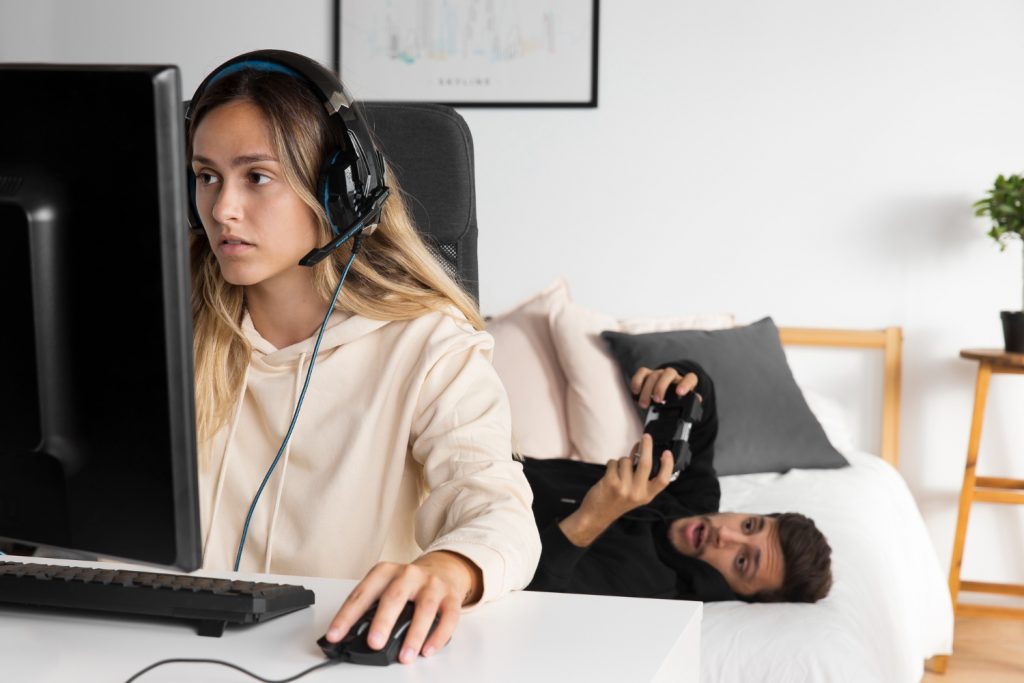
Video Game Addiction: Defining the Line
The digital age has ushered in an era of unprecedented connectivity and entertainment, with video games occupying a prominent space in the lives of millions. While gaming offers numerous benefits, including cognitive stimulation, social interaction, and stress relief, it also presents a potential pitfall: addiction. The concept of video game addiction, or internet gaming disorder (IGD), has sparked considerable debate among researchers, clinicians, and the public. Defining the line between healthy gaming habits and addictive behavior is crucial for identifying at-risk individuals and developing effective interventions.
Time to feel better. Find a mental, physical health expert that works for you.
Defining the Disorder:
The World Health Organization (WHO) included “gaming disorder” in the 11th revision of the International Classification of Diseases (ICD-11), defining it as a pattern of persistent or recurrent gaming behavior (“digital gaming” or “video-gaming”), which may be online (i.e., over the internet) or offline, manifested by:
- Impaired control over gaming (e.g., onset, frequency, intensity, duration, termination, context).
- Increasing priority given to gaming to the extent that gaming takes precedence over other life interests and daily activities.
- Continuation or escalation of gaming despite the occurrence of negative consequences.
The pattern of behavior is of sufficient severity to result in significant impairment in personal, family, social, educational, occupational, or other important areas of functioning. The pattern of gaming behavior may be continuous or episodic and recurrent.
Symptoms and Diagnostic Criteria:
While the ICD-11 provides a foundational definition, other diagnostic criteria have been proposed, often drawing parallels with substance addiction. Common symptoms of video game addiction include:
- Preoccupation: Constant thoughts about gaming, even when not playing.
- Withdrawal: Experiencing negative emotions (e.g., irritability, anxiety, sadness) when unable to play.
- Tolerance: Needing to play for increasingly longer periods to achieve the same level of satisfaction.
- Loss of control: Inability to limit gaming time.
- Neglect of other activities: Abandoning previously enjoyed hobbies and social interactions.
- Continued use despite negative consequences: Persisting in gaming despite adverse effects on relationships, work, or school.
- Deception: Lying to others about gaming habits.
- Escape: Using gaming to cope with negative emotions.
The Debate and Controversy:
Despite the growing recognition of IGD, some researchers and clinicians remain skeptical about its classification as a distinct mental disorder. Critics argue that excessive gaming may be a symptom of underlying mental health issues, such as depression or anxiety, rather than a disorder in itself. They also emphasize the difficulty in distinguishing between high engagement and addictive behavior.
Factors Contributing to Video Game Addiction:
Several factors can contribute to the development of video game addiction:
- Game design: Many games are designed to be highly engaging and rewarding, with features such as progression systems, social interaction, and unpredictable rewards.
- Psychological factors: Individuals with pre-existing mental health conditions, low self-esteem, or poor coping skills may be more vulnerable to addiction.
- Social factors: Social isolation, peer pressure, and a lack of alternative activities can contribute to excessive gaming.
- Neurobiological factors: Gaming can trigger the release of dopamine, a neurotransmitter associated with pleasure and reward, potentially leading to addictive behavior.
Consequences of Video Game Addiction:
Video game addiction can have severe consequences for individuals and their families:
- Physical health problems: Sedentary behavior can lead to obesity, poor posture, and repetitive strain injuries.
- Mental health problems: Increased risk of depression, anxiety, and social isolation.
- Academic and occupational problems: Declining grades, job loss, and financial difficulties.
- Relationship problems: Strained family relationships and social isolation.
Treatment and Intervention:
Treatment for video game addiction typically involves a combination of:
- Psychotherapy: Cognitive-behavioral therapy (CBT) can help individuals identify and modify maladaptive thoughts and behaviors.
- Family therapy: Involving family members in the treatment process can improve communication and support.
- Medication: In some cases, medication may be prescribed to treat co-occurring mental health conditions.
- Lifestyle changes: Encouraging healthy habits, such as regular exercise and social activities, can help reduce gaming time.
Prevention:
Prevention is crucial in addressing video game addiction. Strategies include:
- Education: Raising awareness about the risks of excessive gaming.
- Parental involvement: Setting limits on gaming time and encouraging alternative activities.
- Promoting healthy gaming habits: Emphasizing moderation and balance.
Video game addiction is a complex issue with significant implications for individuals and society. While the debate over its classification as a distinct mental disorder continues, it is essential to recognize the potential risks of excessive gaming and to provide support for those who are struggling.
Gaming and Mental Health: Identifying Issues
Video games have become a ubiquitous form of entertainment, offering immersive experiences and social connections. However, the relationship between gaming and mental health is complex and multifaceted. While some studies suggest that gaming can have positive effects, such as improved cognitive function and stress relief, others highlight the potential for negative consequences, including addiction, depression, and anxiety. This article explores the various ways in which gaming can impact mental health, focusing on the identification of potential issues.
Positive Impacts of Gaming:
- Cognitive benefits: Some studies have shown that certain video games can improve cognitive skills, such as attention, memory, and problem-solving.
- Stress relief: Gaming can provide a distraction from daily stressors and promote relaxation.
- Social connection: Online gaming can facilitate social interaction and build communities.
- Emotional regulation: Some games can help individuals process and manage emotions.
Negative Impacts of Gaming:
- Addiction: As discussed in the previous article, video game addiction can have severe consequences for mental and physical health.
- Depression and anxiety: Excessive gaming can lead to social isolation, which can exacerbate symptoms of depression and anxiety.
- Aggression: Some studies have suggested a link between violent video games and increased aggression, although this remains a topic of debate.
- Sleep disturbances: Gaming late into the night can disrupt sleep patterns, leading to fatigue and mood problems.
- Social anxiety: For some individuals, online gaming can become a substitute for real-life social interactions, potentially exacerbating social anxiety.
Connect Free. Improve your mental and physical health with a professional near you
Identifying Mental Health Issues Related to Gaming:
It is essential to recognize the signs and symptoms of mental health issues related to gaming. These may include:
- Changes in mood: Increased irritability, sadness, or anxiety.
- Social withdrawal: Loss of interest in social activities and relationships.
- Decline in academic or occupational performance: Poor grades, job loss, or financial difficulties.
- Physical symptoms: Headaches, eye strain, and sleep disturbances.
- Obsessive thoughts about gaming: Constant thoughts about games, even when not playing.
- Inability to control gaming time: Difficulty limiting gaming sessions.
- Lying about gaming habits: Concealing the amount of time spent gaming.
Co-occurring Mental Health Conditions:
Individuals with pre-existing mental health conditions, such as depression, anxiety, or ADHD, may be more vulnerable to developing gaming-related problems. It is crucial to address these co-occurring conditions to effectively treat gaming-related issues.
The Role of Game Design:
Game design can play a significant role in influencing mental health. Games that are highly immersive, rewarding, and social can be particularly addictive. Additionally, games that feature violent or disturbing content may have negative effects on some individuals.
The Importance of Balance:
Maintaining a healthy balance between gaming and other activities is crucial for mental well-being. Encouraging alternative activities, such as exercise, social interaction, and hobbies, can help prevent excessive gaming.
Seeking Help:
If you or someone you know is struggling with gaming-related mental health issues, it is essential to seek professional help. Therapists and counselors can provide support and guidance in developing healthy gaming habits and addressing underlying mental health conditions.
Video Games: Impact on Children
Video games have become an integral part of childhood, offering entertainment, learning opportunities, and social interaction. However, the impact of video games on children’s development is a subject of ongoing debate. This article explores the various ways in which video games can affect children, both positively and negatively.
Positive Impacts:
- Cognitive development: Some video games can improve cognitive skills, such as problem-solving, spatial reasoning, and hand-eye coordination.
- Educational benefits: Many educational games can help children learn academic subjects and develop critical thinking skills.
- Social skills: Online gaming can facilitate social interaction and teamwork.
- Creativity and imagination: Some games encourage creativity and imagination through world-building and storytelling.
Negative Impacts:
- Aggression: Exposure to violent video games may increase aggressive thoughts and behaviors in some children.
- Addiction: Children are particularly vulnerable to video game addiction, which can have severe consequences for their development.
- Social isolation: Excessive gaming can lead to social isolation and a lack of real-life social skills.
- Academic problems: Gaming can interfere with schoolwork and academic performance.
- Health problems: Sedentary gaming habits can lead to obesity, poor posture, and eye strain.
- Exposure to inappropriate content: Children may be exposed to violent, sexual, or otherwise inappropriate content in video games.
Factors Influencing Impact:
The impact of video games on children can vary depending on several factors, including:
- Age: Younger children are more susceptible to the negative effects of violent video games.
- Game content: The content of the game, including its level of violence and social interaction, can significantly impact children.
- Parental involvement: Parental involvement in monitoring and regulating gaming habits can mitigate potential risks.
- Individual differences: Children’s personalities, temperaments, and pre-existing mental health conditions can influence their response to video games.
Parental Guidance:
Parents play a crucial role in ensuring that video games have a positive impact on their children. Strategies for parental guidance include:
- Setting limits: Establishing clear limits on gaming time.
- Monitoring content: Reviewing game ratings and content before allowing children to play.
- Encouraging alternative activities: Promoting participation in sports, hobbies, and social activities.
- Open communication: Talking to children about their gaming experiences and addressing any concerns.
- Leading by example: Limiting their own screen time and demonstrating healthy media habits.
Educational Uses:
Video games can be a valuable educational tool when used appropriately. Educators can incorporate educational games into the curriculum to enhance learning and engagement.
Video games can have both positive and negative impacts on children. By understanding these impacts and providing appropriate guidance, parents and educators can help children reap the benefits of gaming while minimizing potential risks.
Free consultations. Connect free with local health professionals near you.
Conclusion
In synthesizing the complex interplay between video games and human well-being, it’s evident that the digital realm presents both profound opportunities and significant risks. The exploration of video game addiction, its correlation with mental health, and its impact on children reveals a landscape that demands careful navigation.
The concept of “video game addiction” underscores the potential for immersive digital experiences to disrupt healthy patterns of behavior. While debates persist regarding its formal classification, the reality of problematic gaming is undeniable.
Recognizing the signs—preoccupation, withdrawal, and neglect of essential life activities—is crucial for early intervention.
Furthermore, the relationship between gaming and mental health is bidirectional. While games can offer cognitive benefits and social connection, they can also exacerbate existing vulnerabilities. Factors like game design, individual predispositions, and the presence of co-occurring mental health conditions all contribute to the potential for negative outcomes.
The impact on children warrants particular attention. Their developing minds are especially susceptible to the influences of digital media. Parental guidance, including setting boundaries and monitoring content, is essential in fostering healthy gaming habits. Simultaneously, the educational potential of video games should not be overlooked, when used in a controlled environment.
Ultimately, the key lies in balance and moderation. Promoting healthy lifestyles, encouraging alternative activities, and fostering open communication are vital strategies. As technology continues to evolve, ongoing research and responsible engagement are necessary to ensure that the benefits of video games are maximized, while the potential harms are minimized.
Time to feel better. Find a mental, physical health expert that works for you.
Common FAQs
General Gaming and Addiction FAQs:
Common FAQs
Gaming and Mental Health FAQs:
Common FAQs
Video Games and Children FAQs:
People also ask
Q:How many hours of gaming is an addiction?
A: There isn’t a specific number of hours that definitively defines gaming addiction; instead, addiction is determined by whether gaming negatively interferes with a person’s health, relationships, school, work, or other important life activities. While some studies suggest a threshold like 10-20 hours per week or more could increase risk, the key factor is the impact on daily functioning, not the total time spent playing.
Q: What counts as a gaming addiction?
A: Gaming disorder means a person struggles to control how often they play video games which can be up to fourteen hours a day or more, with some cases resulting in violence, avoiding school and work, breakdown in family relations, and general withdrawal from society.
Q: What triggers gaming addiction?
A: People become addicted to video games due to a complex interplay of psychological factors, such as escapism, achievement, and social connection, combined with the game’s design, which often incorporates frequent rewards and clear goals that trigger dopamine release. Underlying mental health issues, like anxiety or depression, can make individuals more vulnerable to using games as a coping mechanism, further contributing to problematic use.
Q: What is the average age of video game addicts?
A:ideo Game Addiction Statistics by Age Group
However, certain age groups are more at risk than others. According to current research: The majority of addicted gamers are adolescents and young adults within the age bracket of 18 to 34 years old. The average age of a gaming addict is 24 years of age..