Group Therapy Dynamics: The Therapeutic Power of the Interpersonal Laboratory
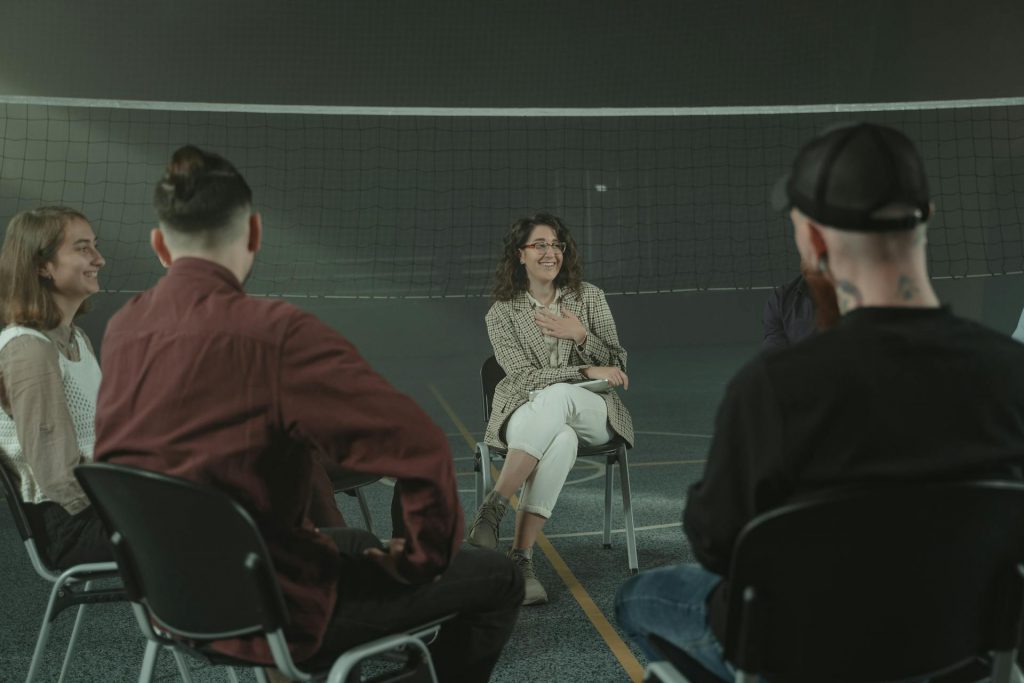
Group Therapy is a highly effective, specialized form of psychotherapy that utilizes the interactions among members and the structured social environment of the group itself as the primary vehicle for observation, insight, and change. Rooted conceptually in both psychoanalytic principles and social learning theories, the central premise is that an individual’s maladaptive patterns of relating—their Internal Working Models (IWMs), defense mechanisms, and interpersonal reflexes—are deeply rooted in past relational experiences and are perpetually reenacted in the present. The group environment, often termed the “social microcosm” or “interpersonal laboratory,” provides a concentrated, immediate, and live setting where these maladaptive patterns are spontaneously displayed, observed, and processed in real-time. Unlike individual therapy, where these patterns must be inferred through historical narrative and transference, the group offers multiple, immediate sources of feedback and relational challenge. The therapist’s primary task is to manage the complex, emergent forces within the group, paying meticulous attention to the here-and-now interactions, the stages of group development, and the utilization of the distinct factors that make group treatment uniquely potent, as articulated by Irvin Yalom.
This comprehensive article will explore the foundational theoretical underpinnings of group dynamics, detail the critical forces—or curative factors—that drive therapeutic change, and systematically analyze the complex stages of group development. Understanding these concepts is paramount for appreciating how the group setting transforms common relational anxieties into profound opportunities for corrective emotional experiences and lasting interpersonal growth.
Time to feel better. Find a mental, physical health expert that works for you.
- Theoretical Underpinnings of Group Dynamics
Group therapy draws its power from the synthesis of psychological theories concerning personality development and social interaction, creating a robust framework for understanding human behavior in community and capitalizing on relational learning.
- The Social Microcosm
The concept of the social microcosm is the core organizing principle of group therapy, asserting the group’s unique function as a mirror of reality.
- Reenactment of Life: The group is an accurate and compressed reflection of the members’ social and relational worlds outside of therapy. All of a member’s characteristic behaviors, defenses, and interactional styles—which may be maladaptive in external life (e.g., excessive seeking of approval, chronic detachment, hostility)—will inevitably and spontaneously be reenacted within the group setting. This occurs organically, without conscious effort on the part of the members.
- Immediate Observation and Process Focus: This immediate display allows for the patterns to be directly observed by the member, the therapist, and other members, making it possible to address the process (how the interaction occurs, e.g., tone of voice, body language, timing) rather than just the content (what is discussed). By focusing on the process of interaction in the here-and-now, change is directed at altering these displayed, dysfunctional relational processes, rather than simply discussing their historical roots.
- Interpersonal Theory (Sullivan and Yalom)
Interpersonal theory, heavily influenced by Harry Stack Sullivan and refined for group practice by Irvin Yalom, provides the clinical roadmap for understanding personality and pathology within a relational context.
- Personality as Relational: Sullivan posited that personality is almost entirely formed and manifested within a social field. Emotional disorders are viewed not as internal deficits but as disorders of relating, stemming from maladaptive patterns learned in early, significant relationships aimed at maximizing security and minimizing anxiety.
- The Role of the Here-and-Now: The most potent work occurs when the therapist and members focus on the immediate feelings and interactions occurring among the members in the present moment. This here-and-now focus brings the abstract, historical relational patterns to life for immediate processing, making insight both vivid and emotionally compelling. The therapist often intervenes to shift the focus from past events or external gossip to the current interactions within the group.
- Corrective Emotional Experience: The ultimate mechanism of change is when a member risks behaving in a new, more adaptive way in the group, receives a positive, non-punitive response from others, and disconfirms their old, fearful expectation (e.g., expecting criticism for asserting a boundary but receiving empathy and respect instead). This experience effectively “rewrites” the maladaptive relational template.
- The Curative Factors of Group Therapy (Yalom’s Model)
Irvin D. Yalom synthesized the unique elements of group therapy into eleven essential “curative factors” that explain why change occurs in this setting. These factors operate simultaneously and represent the specific therapeutic benefits of the group environment.
- Installation of Hope and Universality
These factors address the initial isolation, demoralization, and despair common to mental distress, fostering immediate engagement.
- Installation of Hope: Observing the tangible improvement and success of other members who began with similar problems instills a powerful belief that recovery and change are possible for oneself. This factor is particularly important in the early stages of group work.
- Universality: The recognition, often accompanied by great relief, that one’s most private problems, deepest fears, and shameful thoughts are not unique but are shared by others. This realization breaks down the profound sense of isolation and fosters immediate connection and acceptance, making self-disclosure easier.
- Interpersonal Learning and Cohesion
These factors leverage the immediacy of the social environment to drive deep structural, behavioral change.
- Interpersonal Learning (Input): Receiving genuine, honest, and empathic feedback from multiple sources about the impression one makes on others (e.g., “When you speak quickly, I feel ignored and I stop listening”). This input is essential for insight into one’s maladaptive interpersonal impact, which is often completely outside of one’s own awareness.
- Interpersonal Learning (Output): The active process of applying the insights gained to interact with others in a more genuine, direct, and functional manner within the safety of the group (e.g., practicing expressing vulnerability rather than hostility).
- Group Cohesion: The therapeutic equivalent of the individual therapeutic relationship. It represents the strength of the bond, the sense of belonging, and the acceptance felt by all members for each other and the group as a whole. High cohesion is a necessary precondition for engaging in difficult, conflictual, and challenging work.
- Catharsis, Identification, and Existential Factors
These factors address emotional depth, modeling, and the deeper realities of life.
- Catharsis: The public, authentic, and appropriate expression of intense emotions (anger, grief, shame) within a supportive group that responds constructively. Catharsis must be accompanied by interpersonal learning to be curative; simply venting is not enough.
- Identification: Benefiting from observing and imitating the behaviors, coping mechanisms, and communication styles of other members or the therapist.
- Existential Factors: Recognizing the basic, unavoidable truths of human existence: life is sometimes unfair, one must take ultimate responsibility for one’s choices, death is inevitable, and one faces life’s fundamental dilemmas alone. This confrontation with existential reality fosters personal responsibility and mature decision-making.
Connect Free. Improve your mental and physical health with a professional near you
III. Stages of Group Development
Groups are dynamic, living systems that progress through predictable stages, each characterized by specific conflicts, anxieties, and tasks that the group must successfully resolve to advance toward deeper intimacy and therapeutic effectiveness.
- Initial Stage: Orientation, Dependency, and Hesitation
The primary tasks of this stage involve entry, boundary formation, and establishing trust.
- Anxiety and Safety: Members are highly anxious, dependent on the leader for structure and safety, and engaged in superficial, polite conversation (the “getting-acquainted” stage), often testing the boundaries and limits of confidentiality and acceptance.
- Task: Establishing norms (e.g., focusing on the here-and-now, expressing feelings), building fundamental trust, and moving from a purely social approach to a therapeutic, self-disclosing process.
- Middle Stage: Conflict, Work, and Cohesion
This is the most challenging and transformative stage, defined by the emergence of honest, often negative, feelings toward the leader or other members.
- Conflict: Direct challenges to the leader’s authority or competition among members for attention and control. This is a crucial phase where the group tests its ability to tolerate and process conflict without disintegrating.
- Work and Cohesion: Successful, honest resolution of conflict and confrontation leads to a deeper sense of trust, intimacy, and group cohesion. This cohesion is the foundation upon which the most impactful, risky therapeutic work—the offering and reception of feedback—can successfully occur.
Free consultations. Connect free with local health professionals near you.
Conclusion
Group Therapy—The Resolution of Relational Pathology in the Social Microcosm
The detailed exploration of Group Therapy confirms its profound power as a specialized, insight-oriented treatment that utilizes the complexity of the social environment for fundamental personality change. Group therapy is strategically built upon the concept of the social microcosm, asserting that members’ lifelong maladaptive relational patterns—their anxieties, defenses, and expectations—will inevitably be reenacted live within the group setting. The effectiveness of the model rests on the skillful management of these dynamics by the therapist and the potent force of Yalom’s Curative Factors. By focusing relentlessly on the here-and-now interactions, the group provides a concentrated, immediate, and safe environment for individuals to receive accurate feedback, challenge their archaic relational beliefs, and engage in the Corrective Emotional Experience. This conclusion will synthesize how the group’s progression through predictable stages facilitates vulnerability, detail the crucial link between group cohesion and challenging confrontation, and affirm the ultimate therapeutic goal: achieving lasting interpersonal competence and genuine authenticity in external life.
- The Middle Stage: Conflict, Insight, and Cohesion
The middle stage of group development is arguably the most critical and transformative, as it is here that the group moves beyond superficiality to genuine therapeutic work. This stage is defined by the necessary emergence and successful resolution of conflict.
- The Emergence and Utility of Conflict
As initial anxieties subside, members feel safe enough to express feelings that are often negative, hostile, or competitive toward the leader and other members.
- Challenging Authority: Conflicts frequently involve indirect or direct challenges to the leader’s authority or attempts to control the group’s agenda. These are crucial transference reenactments of early conflicts with parental or authority figures.
- The Test of the Group: The group’s ability to tolerate and process this conflict—without dissolving, retaliating, or retreating—is the ultimate test of its stability. The therapist’s role is to help the group interpret the conflict not as a danger, but as raw material for therapeutic growth. The group learns that conflict can be survived, and that honesty, even negative honesty, can deepen relationships rather than destroy them.
- Cohesion as the Catalyst for Change
The successful working through of conflict leads directly to the development of high group cohesion, which acts as the necessary precondition for deep work.
- Emotional Safety: Cohesion represents the deep sense of acceptance, belonging, and trust that members feel. Once cohesion is established, members feel secure enough to engage in the most difficult tasks: giving challenging feedback and revealing deeply shameful material.
- Risk-Taking: High cohesion significantly reduces the perceived risk of engaging in new, adaptive behaviors (Interpersonal Learning – Output) or revealing painful vulnerabilities (Catharsis). The member is assured that the group will tolerate their risk and respond with empathy, thereby facilitating the Corrective Emotional Experience.
- The Power of Feedback and Corrective Emotional Experience
The most distinctive and powerful mechanism of change in group therapy is the ability to receive immediate, pluralistic feedback and utilize it to disconfirm old relational fears.
- Interpersonal Learning and Pluralistic Feedback
Unlike individual therapy, where feedback is limited to the therapist’s perspective, the group provides multiple, varied viewpoints on a member’s interpersonal impact.
- Mirroring Maladaptive Patterns: Members inevitably display their characteristic defenses and interactional habits (e.g., self-effacement, intellectualization, passive aggression). The group provides immediate, consistent feedback on the effect of these behaviors on others (e.g., “When you use big words, I feel stupid and withdraw from you”).
- Insight into Impact: This feedback provides the essential Interpersonal Learning (Input) required for the member to gain conscious awareness of their hidden, maladaptive interpersonal impact. The feedback is powerful because it comes from peers, not just an authority figure.
- The Corrective Emotional Experience
This concept, originally developed by Franz Alexander and utilized extensively in group work, is the moment of therapeutic transformation.
- Disconfirmation of Anxiety: It occurs when a member, through the encouragement of the cohesive group, risks enacting a previously avoided behavior (e.g., expressing direct anger or demanding their own needs be met). Instead of receiving the feared response (e.g., abandonment, retaliation, or shaming), the member receives a non-punitive, supportive, and empathetic response from the group.
- Rewriting the Script: This positive outcome directly disconfirms the individual’s archaic, fearful expectation established in childhood. The individual’s Internal Working Model—their relational blueprint—is emotionally updated in real-time, leading to a profound, immediate sense of freedom and psychological safety. This experience is the core driver of deep structural change.
- Conclusion: Generalization and Interpersonal Competence
Group Therapy transcends mere symptom relief by focusing on the underlying relational structures that drive enduring psychological distress.
The ultimate measure of successful group therapy is the establishment of interpersonal competence. This means the member has integrated the insights and corrective emotional experiences gained in the social microcosm and is now able to generalize these new, adaptive relational patterns to their external life—in their family, workplace, and friendships. The ability to express authentic emotion, tolerate conflict, give and receive honest feedback, and maintain self-awareness under pressure are all skills forged in the contained intensity of the group. By confronting and resolving the fundamental challenges of human relating in a safe, structured environment, group therapy empowers the individual to break free from the compulsion to repeat past relational trauma, fostering profound authenticity and establishing a resilient, flexible approach to future interpersonal challenges. The group is thus not just a collection of individuals, but a powerful, self-healing organism dedicated to transforming pathology into growth.
Time to feel better. Find a mental, physical health expert that works for you.
Common FAQs
Core Principles and Theory
Common FAQs
Yalom’s Curative Factors
Common FAQs
Change and Process
People also ask
Q: What are group dynamics in therapy?
A: It is a way of viewing the organization of the group. Every group develops norms (both conscious and unconscious) regarding appropriate behavior. These norms begin with the expectations of the members and the therapist.
Q:What are the 5 elements of group dynamics?
A: - Group dynamics encompass various elements such as group roles, norms, status, cohesiveness, communication patterns, and decision-making processes. These elements influence how groups form, interact, and perform.
Q:What are the 5 stages of group dynamics?
A: The stages of group development are forming, storming, norming, performing, and adjourning. These five stages of team formation, first introduced by Bruce Tuckman in 1965, describe how groups evolve from a collection of strangers to a high-performing unit.
Q:What are the types of group dynamics?
A: The main types of group dynamics include role dynamics, where individuals take on different roles, norming dynamics, where unwritten rules guide group behavior, and communication dynamics, where the flow of information influences group interactions and decision-making..