
What is Mindfulness-Based Stress Reduction (MBSR)?
Everything you need to know
Finding Your Anchor: A Simple Guide to Mindfulness-Based Stress Reduction (MBSR)
Hello there! If you’re feeling overwhelmed, stressed, or like your mind is constantly racing, you are certainly not alone. In our modern, always-on world, finding a quiet moment can feel like an impossible luxury. We are constantly bombarded by information, alerts, and demands, leaving us feeling fragmented and exhausted.
You might be exploring ways to manage this chronic stress and have come across Mindfulness-Based Stress Reduction (MBSR). The name sounds long and maybe a little intimidating, but the practice itself is rooted in something very ancient, simple, and profoundly human: paying attention.
MBSR is not about emptying your mind, sitting perfectly still, or finding bliss. It’s about learning how to relate to the ordinary, messy, beautiful, and difficult moments of life with greater awareness, less reactivity, and more peace. It’s a practical training program designed to teach you how to live fully in the present moment, instead of constantly being hijacked by worries about the past or future.
This article is your warm, supportive guide to understanding MBSR. We’ll break down what it is, where it came from, the simple practices involved, and how this training can truly change your relationship with stress, pain, and life itself.
Time to feel better. Find a mental, physical health expert that works for you.
Part 1: What is Mindfulness, Really?
Before diving into MBSR, let’s get clear on the core concept: mindfulness. This is the central ingredient in the entire program.
Mindfulness: A Simple Definition
The creator of MBSR, Jon Kabat-Zinn, famously defines mindfulness as:
“Awareness that arises through paying attention, on purpose, in the present moment, non-judgmentally.”
Think of your mind like a powerful searchlight. Usually, that light is jumping wildly—flashing on past regrets, zipping to future anxieties, or judging the situation you’re in. Mindfulness is the practice of slowing that light down and intentionally aiming it at whatever is happening right now.
- Paying Attention: It means actively noticing your breath, the texture of the chair you’re sitting on, the sound of the air conditioning, or the exact feeling of an emotion like worry. It’s an active engagement with immediate experience.
- In the Present Moment: You’re anchoring your mind to what is happening this second, because that is the only moment you can actually live in. Everything else is memory or anticipation.
- Non-Judgmentally: This is the hard part! It means observing your thoughts, feelings, and sensations without immediately calling them “good,” “bad,” “right,” or “wrong.” You simply notice them, acknowledging their presence without getting caught up in their story or self-criticism. This attitude of non-judgment is what allows for self-compassion.
Why Do We Need Mindfulness?
Most human suffering, particularly stress and anxiety, comes from the brain’s amazing, but exhausting, ability to time travel. Our bodies are in the room, but our minds are usually somewhere else entirely:
- Past: Ruminating over regret, guilt, or resentment.
- Future: Catastrophizing, excessive planning, and being consumed by “what ifs.”
This chronic mental time travel disconnects us from our actual resources and stability in the present. Mindfulness brings us back to our anchor—the place where we are fundamentally safe and capable right now.
Part 2: The Structure of MBSR – More Than Just Meditation
MBSR is a specific, educational, and scientifically developed program, not just a suggestion to “try meditating.” It was originally developed in 1979 by Jon Kabat-Zinn at the University of Massachusetts Medical School to help people manage chronic pain and illness that traditional medicine couldn’t fully cure, proving its practical application from the start.
The MBSR Commitment
MBSR is typically taught in a group format (which adds a layer of shared experience and support) and runs for eight weekly sessions, each lasting about 2 to 2.5 hours. The cumulative time and consistent structure are key to making lasting neurological change.
There is a final, intensive day-long retreat (usually seven to eight hours) between week six and seven, where participants practice the techniques for an extended period in silence. This immersion helps solidify the habits and provides a deeper experience of sustained presence.
The Two Core Pillars of Practice
MBSR training is built on two main types of formal practice, which are introduced sequentially over the eight weeks and require daily engagement (usually 45 minutes of daily practice is encouraged):
- Formal Practices (Scheduled Time)
These are specific exercises done for a dedicated period each day:
- The Body Scan: This is often the first practice introduced. You lie down and systematically direct your attention to different parts of your body—toes, feet, legs, belly, chest, etc.—noticing any sensations (warmth, tingling, pressure, numbness) without trying to change them. This helps you reconnect the mind and body and teaches you to observe uncomfortable sensations without immediately reacting, reducing the tendency to “tune out” the body.
- Mindful Movement (Gentle Yoga): These are gentle stretches and movements done with continuous awareness. The focus isn’t on achieving flexibility or fitness; it’s on staying present with the physical sensations of movement, noticing the edges of tension, and moving with kindness. This teaches the mind to stay anchored even when the body is in motion.
- Sitting Meditation: This is the most traditional form. You sit comfortably and use a primary anchor—usually the breath—as a focal point. When your mind inevitably wanders (which is the nature of the mind!), you simply notice where it went (a thought, a sound, a worry, a memory) and gently, patiently guide your attention back to the breath. This builds the “muscle” of attention and non-judgmental awareness.
- Informal Practices (Everyday Life)
The goal of MBSR is not to become good at sitting still; it’s to become good at living. Informal practices bring the principles of mindfulness into your daily routines:
- Mindful Eating: Paying full attention to the color, texture, smell, and taste of your food, slowing down the automatic process of consumption and reconnecting the action with sensory experience.
- Mindful Walking: Feeling your feet on the ground, the swing of your arms, and the movement of your breath with each step, rather than letting your mind rush ahead to your destination.
- Mindful Communication: Noticing the internal rush to formulate your response while the other person is still speaking, and instead, intentionally focusing on truly hearing their words and tone.
Part 3: The Science of Stress and the MBSR Response
So, how does just “paying attention” help with conditions like anxiety and chronic pain? The answer lies in how our bodies process stress and the concept of reactivity.
Stress and the Brain’s Alarm System
When you experience stress (a deadline, a fight, chronic pain), your brain activates the fight-flight-freeze response, controlled by the amygdala (the fear center).
- The Reaction: Stress hormones like cortisol and adrenaline flood your system. Your heart races, your muscles tense, and your attention narrows to the perceived threat. This is a vital survival mechanism, but when it happens constantly (chronic stress), it burns out your system and makes you hypersensitive and hyper vigilant.
- The Cognitive Loop: For people with anxiety, the stress response is often triggered not by external danger, but by an internal, catastrophic thought (e.g., “I’m going to fail and lose everything”). The thought creates a physical stress reaction, which confirms the feeling of danger, leading to more panic and more thoughts.
Connect Free. Improve your mental and physical health with a professional near you

MBSR: Changing Your Relationship with the Alarm
MBSR helps break this stress loop by strengthening the prefrontal cortex (the thinking, planning, and regulating part of the brain) and weakening the impulsive hold of the amygdala.
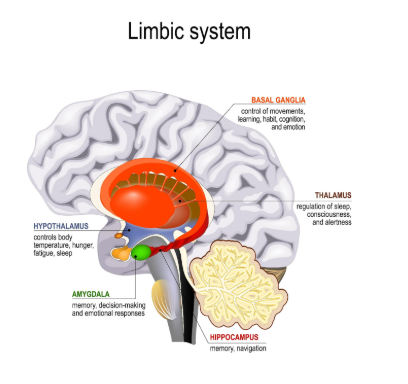
- Decoupling Sensation and Story: Through practices like the body scan, you learn to observe an uncomfortable sensation (like a tight chest or a racing heart) without immediately spinning a catastrophic story around it (“My heart is racing, I must be having a heart attack/panic attack!”). You learn to simply observe: “My chest is tight. That’s a sensation.”
- The Space to Respond: Mindfulness creates a crucial space between the stimulus (the event or feeling) and your reaction. Instead of reacting instantly (yelling, avoiding, catastrophizing), you gain the ability to choose a thoughtful, calmer response. This is called response flexibility.
- Habituation to Discomfort: By sitting with difficult physical sensations or thoughts during meditation, you teach your nervous system that these sensations, while uncomfortable, are not necessarily dangerous. This process is known as habituation, and it lowers your overall baseline level of physiological stress and reactivity.
Part 4: Who Is MBSR For?
MBSR is highly versatile and evidence-based, making it an excellent resource for anyone seeking a non-pharmacological way to manage chronic life stressors and improve emotional regulation.
MBSR is proven effective for:
- Chronic Stress and Anxiety: Reducing the generalized worry, the intensity of panic, and the physical symptoms of stress by strengthening attention and emotional regulation.
- Depression: Particularly for reducing the risk of relapse by teaching people to recognize and interrupt negative rumination (getting stuck in repetitive negative thoughts) before they trigger a full depressive episode.
- Chronic Pain: It doesn’t eliminate the pain, but it teaches you how to change your relationship with the pain, reducing the secondary suffering that comes from resisting and fighting the sensation.
- Sleep Problems: Improving the ability to calm the mind and body before sleep (often integrated into specialized CBT-I protocols).
- General Well-being: Increasing focus, emotional intelligence, self-compassion, and overall life satisfaction.
Is MBSR Right for Me?
MBSR is a training program that requires commitment and consistency.
- It requires effort: It’s often said, “You don’t just do MBSR; you practice MBSR.” It requires a commitment to daily homework (formal practice). While the time commitment can feel daunting, the benefits are directly correlated to the effort invested.
- It’s not a magic cure: It won’t make your external problems disappear, but it will fundamentally change your capacity to handle them. It teaches skillful engagement with life’s difficulties.
- A Word of Caution: If you are experiencing acute, severe trauma symptoms, active suicidal ideation, or active psychosis, MBSR may need to be approached slowly or with professional guidance, as the intensity of focusing inward can sometimes be overwhelming without proper stabilization. Always consult with a mental health professional who can tailor the approach or integrate stabilization techniques like DBT.
Part 5: Embracing the Practice – A Final Word
Taking the step to explore MBSR is an incredibly empowering decision. You are choosing to invest in the quiet, profound wisdom of your own mind and body.
The most important thing to remember is that in mindfulness, there is no failure.
- Wandering is Normal: The goal is not to have an “empty” mind. The mind is designed to wander. If your mind wanders a thousand times during a 10-minute meditation, your job is simply to notice it and gently return to the breath a thousand times. Every time you return, you successfully complete the practice. That act of noticing and returning is the true exercise, building the strength of your attention.
- Be Gentle: When you notice judgment creeping in (“I’m bad at this,” “My mind won’t stop”), practice extending kindness to yourself. Say, “Ah, there’s a thought of judgment, thank you for sharing,” and gently let it go. Mindfulness requires rigorous attention, but it must always be met with immense self-compassion and patience.
MBSR gives you a reliable anchor—your breath, your body, the present moment—that you can always come back to, no matter how chaotic the storm outside becomes. It is a path to finding calm, not by changing the world around you, but by changing your world within, allowing you to live your life with greater clarity and peace.

Free consultations. Connect free with local health professionals near you.
Conclusion
The Enduring Gift of the Present Moment
If you’ve walked through the eight-week journey of Mindfulness-Based Stress Reduction (MBSR), you have engaged in a profound act of self-care and resilience training. This program is a revolutionary realization that your best tool for managing stress, pain, and life’s inevitable difficulties isn’t an external distraction or a quick fix—it is your own awareness. The conclusion of MBSR is not a moment of completion; it is the moment of integration, where the practices move from being something you do in a quiet room to a way that you live your life.
The Shift from Doing to Being
Our society is deeply rooted in the “doing” mode. Our worth often feels tied to our productivity, our achievements, and our ability to constantly fix, solve, or change things. This constant striving is the engine of chronic stress.1
MBSR, however, introduces you to the “being” mode. This mode is characterized by non-striving, acceptance, and simply resting in the present moment as it is, without needing to control or judge it.
- Non-Striving is the Ultimate Effort: Paradoxically, the greatest effort in MBSR is non-striving. You learned to simply observe your breath, a sensation, or a thought without trying to make it stop, last longer, or be different. This radical acceptance frees up the immense energy you previously spent fighting reality. The realization that “I am okay right now, even with this discomfort” is the ultimate relief from the stress caused by the mental fight.
- The Power of the Pause: Before MBSR, the experience might have been: Stimulus →Reactivity. A difficult sound, a painful thought, or an irritating sensation would trigger an immediate emotional or behavioral reaction (anger, avoidance, panic). Now, through the practice of mindful attention, you have cultivated the crucial Pause. The sequence becomes: Stimulus →Awareness →Choice of Response. This moment of awareness—the space between feeling and reacting—is the defining feature of freedom gained through MBSR.
The Profound Impact on Chronic Pain and Emotion
The training you received in MBSR is particularly transformative for two persistent areas of human suffering: chronic pain and the vicious cycle of rumination (getting stuck in repetitive negative thoughts).2
- Decoupling Pain from Suffering: When chronic pain arises, the mind typically adds a layer of fear, anger, and catastrophic thought (“This will never end,” “My life is ruined”). MBSR teaches you to use the Body Scan to separate the raw, objective sensation of the pain itself from the “story” the mind attaches to it.3 By observing the sensation as just that—a sensation that is constantly changing—you reduce the suffering, which is the mental resistance to the pain. You learn to hold the pain with less fear, thereby relaxing the nervous system and sometimes even lessening the physical experience itself.
- Interrupting the Rumination Cycle: For anxiety and depression, the mind often gets stuck replaying past mistakes or rehearsing future disasters. This is rumination. MBSR’s Sitting Meditation directly targets this habit. You learn to recognize the thought pattern as just “thinking,” not as a command or a truth. Every time you notice the mind wandering off into a worry narrative and gently bring your attention back to the breath, you are literally interrupting the neurological cycle of rumination. This is the ultimate form of emotional self-regulation—a kind of mental decluttering.
The Long-Term Reward: Self-Compassion
Perhaps the most healing component of MBSR is the integration of non-judgment and kindness. This self-compassion becomes the foundation for handling all future setbacks.
- Non-Judgmental Awareness: The practice of non-judgmental awareness extends not only to external sensations but most importantly, to your internal critic.4 You learned that when your mind wanders, you don’t berate yourself; you treat your mind like a puppy and gently guide it back. This repeated act teaches you a new way to relate to your own human imperfections.
- The Opposite of Shame: Shame often arises when we judge our internal experience (“I shouldn’t feel this,” “I’m a failure because I’m anxious”).5 MBSR dismantles shame by replacing it with acceptance and curiosity.6 When a difficult emotion arises, the internal response shifts from “I must get rid of this” to the gentle inquiry: “Ah, what is this feeling? Where is it located? How does it change?” This act of holding the experience with kindness is profoundly restorative.
- A Universal Practice: You realize that the struggle you observe during meditation—the wandering mind, the resistance to discomfort—is not a unique personal failing; it is a universal characteristic of the human mind. This shared humanity cultivated in the group setting brings immense relief from isolation.
The Practice Never Ends
The conclusion of the eight-week program marks a beginning, not an end. The techniques learned are now yours to keep, refine, and integrate into every facet of your life.
- Formal Practice as Maintenance: Continue scheduling your formal practices—the body scan and sitting meditation. Treat them not as another item on your to-do list, but as essential emotional hygiene, just like brushing your teeth. This regular engagement is what maintains the integrity of the neurological pathways you’ve built.
- Informal Practice as Life: Remember that the greatest impact of MBSR is in the informal practice—the brief moments of mindfulness integrated into your daily flow. The awareness of your breath while standing in line, the full attention given to a conversation, the conscious taste of your morning coffee. These micro-moments of presence accumulate into a life lived with greater fullness and less stress.
You have armed yourself with the most sophisticated tool for navigating human existence: the ability to be fully present for your life, exactly as it is. Trust the wisdom you’ve cultivated, embrace the practice, and allow the quiet, enduring stability of your anchor—the present moment—to guide you forward.
Time to feel better. Find a mental, physical health expert that works for you.
Common FAQs
Since Mindfulness-Based Stress Reduction (MBSR) is a specific and highly effective program, it’s natural to have questions about the commitment, the practices, and what results you can expect. Here are answers to some of the most common questions people ask.
Do I need to have a specific religious or spiritual belief to practice MBSR?
Absolutely not. MBSR is entirely secular, evidence-based, and non-religious.
- Focus on Science: While mindfulness originated in ancient Buddhist contemplative traditions, Jon Kabat-Zinn developed MBSR specifically as a medical and psychological program rooted in Western science.
- Focus on Practice: The goal is practical: to reduce stress, manage pain, and increase awareness. It uses techniques like the body scan and mindful movement as mental exercises to train attention and emotional regulation, similar to how physical exercise trains the body.
- The practice is open and accessible to people of all backgrounds, faiths, or no faith at all.
Is the goal of MBSR to empty my mind or stop my thoughts?
No, the goal is not to stop thinking; that is impossible! The goal is to change your relationship with your thoughts.
- Wandering is Normal: The human mind is designed to think, plan, and wander. In MBSR, if your mind wanders a hundred times during a 10-minute meditation, you haven’t failed. Your job is simply to notice that the mind has wandered and gently return your attention to your anchor (like the breath) every single time.
- Thoughts as Events: You learn to see thoughts not as facts or commands, but as neutral mental events, like clouds passing in the sky. You observe the thought (“There is a worry about tomorrow”) without immediately following the story. This creates distance and reduces the power of negative rumination.
How much time do I actually need to commit to MBSR?
MBSR is intensive and requires a significant daily commitment to be effective.
- Formal Class Structure: The program involves eight weekly sessions (2-2.5 hours each) plus a single day-long retreat.
- Daily Homework: The essential component is the daily formal practice, which is typically recommended to be 40 to 45 minutes of dedicated time using the guided exercises (Body Scan, Sitting Meditation, Mindful Movement).
Why the Time? Consistency is key to neuroplasticity—the brain’s ability to rewire itself. Just as you can’t learn a language or play an instrument by only practicing once a week, you need daily exposure to the mindfulness techniques to shift your default stress response.
How does MBSR help with chronic pain if it doesn't cure the pain itself?
MBSR helps by addressing the suffering that is layered on top of the physical pain.
- Pain vs. Suffering: Pain is the raw, physical sensation. Suffering is the mental and emotional resistance, fear, and catastrophic thinking (e.g., “This pain is ruining my life,” “It will never stop”) that amplifies the physical feeling.
- Non-Judgmental Observation: Practices like the Body Scan teach you to observe the changing sensations of the pain without immediately judging them or reacting with fear. You learn that pain is complex and rarely static.
- Reducing Reactivity: By reducing the mental resistance, MBSR lessens the stress hormones (like cortisol) that actually make the body more sensitive to pain. You don’t eliminate the pain, but you dramatically reduce the stress, anxiety, and despair associated with it, making the overall experience more manageable.
What if I can't sit still? Is MBSR only for people who are naturally calm?
MBSR is designed for everyone, especially those who struggle with restlessness, anxiety, and stress.
- Movement is a Core Practice: MBSR includes Mindful Movement (gentle yoga) precisely because sitting still can be very difficult. Mindful movement teaches you to anchor your attention to the physical sensations of stretching and shifting, making it a powerful form of active meditation.
- Working with Restlessness: If your body is restless during sitting meditation, you use the sensation of restlessness itself as the object of attention. You observe the urge to move without automatically acting on it, building distress tolerance and stability. The MBSR instructor guides you on how to non-judgmentally include your restlessness in the practice.
Can MBSR be done alone, or do I need to attend the full 8-week course?
You can certainly practice mindfulness on your own using apps and books, but the formal 8-week course structure is highly recommended for a true MBSR experience.
- Curriculum and Sequencing: The 8-week course follows a specific curriculum that slowly builds the skills, starting with the Body Scan and moving to more complex sitting and walking meditations. This careful sequencing is designed to maximize effectiveness and safety.
- The Instructor and Group: The instructor is key to providing personalized guidance, fielding questions, and helping you navigate challenging emotional experiences that arise during practice. The group setting provides a powerful sense of shared humanity that reduces the feeling of isolation often associated with stress and difficulty.
- Consistency: The built-in schedule of the course naturally forces the consistency and accountability needed to make the significant time investment successful.
Does MBSR replace traditional therapy (CBT, etc.) or medication?
MBSR is complementary and should not be used to replace necessary medical or psychological treatment unless specifically advised by your doctor or therapist.
- Skill Set: MBSR is a psychoeducational training program that teaches fundamental life skills.
- Integration: It often works extremely well alongside traditional talk therapy (like CBT) or with medication. For example, a person may use MBSR to manage the physical symptoms of anxiety while using CBT to challenge the cognitive distortions that fuel the anxiety.
- Consultation: Always consult with your healthcare providers before making any changes to medication or ongoing therapy based on beginning an MBSR program.
People also ask
Q: What is an anchor in mindfulness?
A: Anchoring is a mindfulness practice of focusing on a particular point, like your breath, to ground yourself as you face the waves around you (Shonin et al., 2015).
Q:What is the purpose of mindfulness-based stress reduction?
A: Mindfulness-Based Stress Reduction, or MBSR, is a unique program developed to help people better understand and work with all the stresses in their lives — medical, psychological and social.
Q: What is the purpose of mindfulness based stress reduction MBSR is to become aware of and focus on?
A: MBSR teaches “mindfulness,” which is a focus only on things happening in the present moment. Mindfulness is not a time to “zone out” or “space out.” It’s a time to purposefully pay attention and be aware of your surroundings, your emotions, your thoughts, and how your body feels.
Q:What is the purpose of using an anchor phrase in mindfulness practice?
A: Rather than forcing your mind to stay fixed, the anchor allows your awareness to gently move between thoughts and the present moment, and always have a place to return to. Using an anchor helps you become more grounded in the here and now.
NOTICE TO USERS
MindBodyToday is not intended to be a substitute for professional advice, diagnosis, medical treatment, or therapy. Always seek the advice of your physician or qualified mental health provider with any questions you may have regarding any mental health symptom or medical condition. Never disregard professional psychological or medical advice nor delay in seeking professional advice or treatment because of something you have read on MindBodyToday.
Share this article

Let us know about your needs

Quickly reach the right healthcare Pro

Message health care pros and get the help you need.
Popular Healthcare Professionals Near You
You might also like

What is Psychodynamic Therapy Principles?
, What is Psychodynamic Therapy Principles? Everything you need to know Find a Pro Digging Deeper: A Simple Guide to […]

What is Dialectical Behavior Therapy (DBT)?
, What is Dialectical Behavior Therapy (DBT) ? Everything you need to know Find a Pro Navigating the Storm: Understanding […]

What is Cognitive Behavioral Therapy (CBT)?
, What is Cognitive Behavioral Therapy (CBT) ? Everything you need to know Find a Pro Your Thoughts Are Not […]