Calm in the Storm: A Comprehensive Analysis of Mindfulness-Based Stress Reduction (MBSR) and its Clinical Mechanisms
Introduction: From Contemplative Practice to Clinical Science—The Secularization of Mindfulness
This initial section establishes the foundational premise of Mindfulness-Based Stress Reduction (MBSR), defining it as an intensive, standardized, eight-week psychoeducational group program developed by Jon Kabat-Zinn at the University of Massachusetts Medical Center in 1979. It traces the historical origin from traditional Buddhist contemplative practices to a secular, empirically testable intervention for managing chronic stress, pain, and illness.
The article’s scope will be defined: to synthesize the core conceptual definition of mindfulness, the standardized eight-week curriculum, the hypothesized mechanisms of action (e.g., decentering, emotion regulation), and its robust empirical validation across diverse populations. The overarching goal is to assert MBSR’s indispensable role in modern integrative medicine and its contribution to the scientific understanding of self-regulation.
Time to feel better. Find a mental, physical health expert that works for you.
I. Conceptual Foundations: Defining Mindfulness and its Core Components
This major section delves into the theoretical scaffolding that underpins MBSR, moving beyond a lay understanding to provide a rigorous, operational definition of mindfulness suitable for clinical research. It introduces the most widely accepted definition of mindfulness as the awareness that emerges through paying attention on purpose, in the present moment, and non-judgmentally, to the unfolding of experience moment by moment (Kabat-Zinn).
This section distinguishes between the two core components—attention regulation and attitude—which must be present for the practice to be therapeutically effective. Understanding this definition is crucial, as it provides the basis for measuring adherence, competence, and the fidelity of the MBSR protocol in research settings.
A. The Dual Components: Attention Regulation and Non-Judgmental Attitude
This subsection provides a meticulous definition of the Dual Components that constitute mindfulness practice. Attention Regulation is defined as the intentional process of focusing awareness on a chosen object (e.g., the breath, bodily sensations) and sustaining that focus, while redirecting attention when it inevitably wanders. This skill development is crucial for cognitive control.
The Non-Judgmental Attitude is defined as the quality of awareness involving openness, curiosity, and acceptance toward internal and external experience, regardless of its content (pleasant, unpleasant, or neutral). This attitude is key to breaking the cycle of automatic, reactive processing that often exacerbates stress and emotional distress.
B. Decentering, Reperceiving, and Cognitive Fusion
This segment defines the central cognitive constructs targeted by mindfulness practice. Decentering (or metacognitive awareness) is defined as the ability to observe one’s thoughts, feelings, and sensations as transient mental events rather than identifying with them as absolute truths (i.e., “I am having the thought that I am a failure,” rather than “I am a failure”).
Reperceiving is defined as the fundamental shift in perspective that allows the individual to recognize the subjective nature of experience. Cognitive Fusion (the opposite of decentering) is defined as the tendency to treat thoughts as if they are fused with reality, leading to automatic emotional and behavioral responses. MBSR aims to reduce fusion and cultivate decentering.
II. The Standardized MBSR Curriculum: Protocol and Practices
This section transitions from the theoretical framework to the specific, standardized methodology of the MBSR intervention. It highlights the defining characteristics of the program—an eight-week, group-based, highly structured protocol—and details the core formal and informal practices used to cultivate mindfulness skills.
The key aim is to demonstrate the program’s fidelity and replicability, which are essential for its widespread use and validation as a therapeutic intervention. The necessity of a qualified, trained instructor is emphasized.
A. The Eight-Week Structure and Core Formal Practices
This subsection details the required elements of the MBSR curriculum: eight weekly 2.5-hour sessions and a mandatory one-day silent retreat between weeks six and seven. The Core Formal Practices are defined: the Body Scan (bringing focused, sustained attention to different parts of the body), Mindful Movement (gentle Hatha yoga and stretching performed with full attention), and Sitting Meditation (using the breath or other anchors to stabilize awareness). The curriculum is progressive, building skills incrementally from focused attention to open monitoring.
Connect Free. Improve your mental and physical health with a professional near you
B. Informal Practices and the Integration into Daily Life
This segment defines Informal Practices as the conscious application of mindfulness principles to routine, everyday activities (e.g., mindful eating, mindful walking, mindful washing the dishes). The goal of informal practice is to promote generalization—transferring the skills learned in formal meditation settings to the complexities and challenges of daily life, thereby making mindfulness an ongoing state of being rather than a discrete activity. This integration is crucial for maintaining long-term stress reduction.
III. Hypothesized Mechanisms of Change and Clinical Efficacy
This final major subtitle section focuses on the neurobiological and psychological mechanisms through which MBSR achieves its clinical effects and the empirical evidence supporting its broad utility. It moves beyond simple symptom reduction to investigate how mindfulness fundamentally alters the way the brain and mind process stress and emotion. This section establishes the academic and clinical legitimacy of MBSR as a powerful intervention in the treatment of both physical and psychological conditions.
A. The Psychological Mechanisms: Decentering and Emotion Regulation
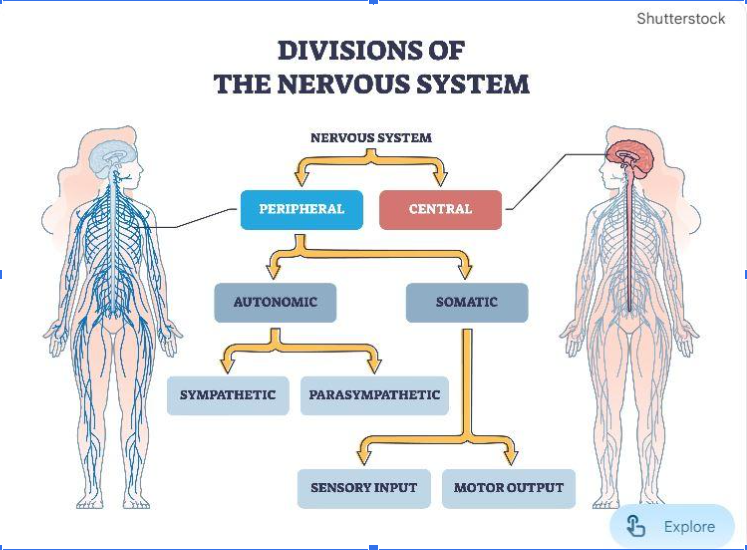
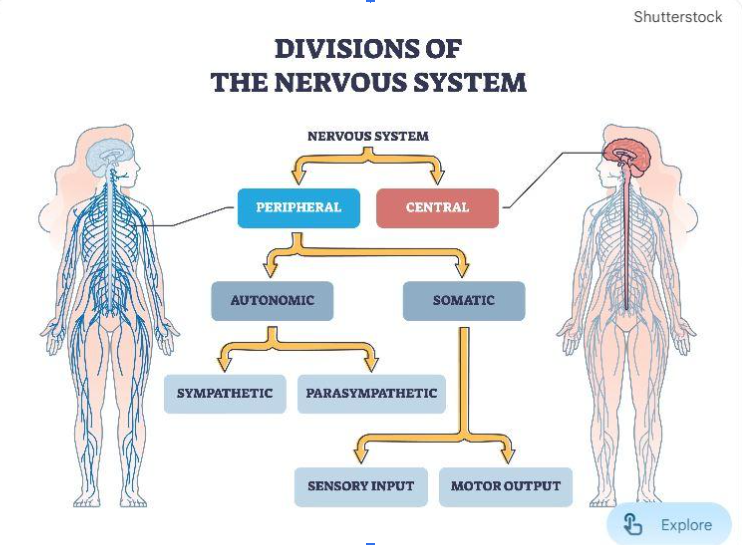
This subsection explores the primary psychological pathways of change. Decentering is highlighted as a critical moderator, reducing the tendency to catastrophize or ruminate on stressors. Emotion Regulation is defined as the improved ability to identify, understand, and respond adaptively to emotional experience, rather than reacting automatically. This is linked to reduced activation of the sympathetic nervous system and greater reliance on the parasympathetic system.
The increase in non-reactivity to internal experience reduces the escalation of stress into chronic pathology.
B. Clinical Efficacy and Neuroplasticity
This segment reviews the extensive clinical evidence, noting MBSR’s effectiveness in reducing symptoms across chronic pain, anxiety disorders, and recurrent depression (often through the adaptation MBCT).
Neuroplasticity is introduced as the biological mechanism, referencing neuroimaging studies that suggest MBSR practice is associated with measurable structural and functional changes in the brain, including increased grey matter density in areas related to attention and emotional processing (e.g., the prefrontal cortex) and reduced amygdala reactivity. MBSR is thus affirmed as an empirically-validated, mind-body intervention that leads to quantifiable psychological and biological change.
Introduction: From Contemplative Practice to Clinical Science—The Secularization of Mindfulness
The landscape of mental health and integrative medicine has been profoundly shaped by the advent of Mindfulness-Based Stress Reduction (MBSR). Developed by molecular biologist Jon Kabat-Zinn in 1979 at the University of Massachusetts Medical Center, MBSR represents a seminal achievement in bridging Eastern contemplative wisdom with rigorous Western empirical science. It is an intensive, standardized, eight-week psychoeducational group program that systematically teaches participants to engage with moment-to-moment experience with attention and non-judgment.
MBSR’s genesis was practical: to provide a non-pharmacological, self-management program for hospital patients suffering from chronic pain and life-threatening illnesses that were unresponsive to traditional medical treatment. By stripping mindfulness practice of its explicit religious and cultural trappings, Kabat-Zinn successfully created a secular, universally accessible intervention that could be subjected to clinical research and replication.
This comprehensive article asserts that MBSR is a scientifically robust method for cultivating internal resources for self-regulation. We will systematically examine the core conceptual definition of mindfulness, detail the standardized eight-week curriculum and its component practices, and analyze the hypothesized psychological and neurobiological mechanisms (e.g., decentering, emotion regulation) that underpin its clinical efficacy. The goal is to establish MBSR’s foundational role in modern stress and pain management and its ongoing contribution to the scientific understanding of the mind-body connection.
Free consultations. Connect free with local health professionals near you.
Conclusion
MBSR—Cultivating Resilience Through Present-Moment Awareness
The comprehensive analysis of Mindfulness-Based Stress Reduction (MBSR) confirms its status as a paradigm-shifting intervention in modern medicine and psychology. This article has substantiated the claim that MBSR, developed by Jon Kabat-Zinn, successfully secularized traditional contemplative practices into a standardized, empirically testable, and highly effective psychoeducational program.
MBSR’s efficacy is rooted in its systematic approach to cultivating present-moment, non-judgmental awareness, ultimately providing individuals with potent, self-regulatory resources to manage chronic stress, pain, and emotional distress.
The Mechanism of Change: Decentering and Non-Reactivity
MBSR’s profound clinical success stems from its ability to fundamentally alter the individual’s relationship with internal experience. This transformation is achieved through two core psychological mechanisms: Decentering and Non-Reactivity.
- Decentering (Metacognitive Awareness): This is the capacity to step back and observe one’s thoughts, emotions, and sensations as transient mental events, rather than identifying with them as absolute reality. By reducing Cognitive Fusion, the practitioner learns to recognize, “I am having the thought that I am anxious,” rather than simply believing, “I am anxious.” This creates vital psychological distance, allowing the individual to respond thoughtfully rather than reacting automatically.
- Non-Reactivity: The core skill of sustained, non-judgmental attention lessens the tendency to automatically escalate internal discomfort. When a sensation (e.g., pain, anxiety) arises, the learned attitude of acceptance and curiosity prevents the secondary distress—the cycle of worry, rumination, or catastrophic thinking—that typically transforms acute stress into chronic suffering.
These mechanisms enhance Emotion Regulation, which, in turn, influences the physiological stress response. Mindfulness practice has been shown to reduce activation of the stress-inducing sympathetic nervous system and promote reliance on the calming parasympathetic nervous system, providing a tangible link between psychological skill and physical well-being.
A critical factor in MBSR’s elevation to a globally recognized intervention is its commitment to standardization and fidelity. The standardized eight-week curriculum, comprising weekly group sessions and a day-long silent retreat, ensures that the intervention is reproducible and measurable in research settings. This structure provides a progressive skill-building trajectory:
- Formal Practices: Practices like the Body Scan, Sitting Meditation, and Mindful Movement train the foundational skills of sustained attention and non-judgmental observation. The discipline of the formal practice ensures consistent neurocognitive training.
- Informal Practices: The instruction to integrate mindfulness into daily activities (e.g., mindful eating, walking) is essential for generalization. This ensures that the learned skill transfers from the cushion to the complexities of real-world stressors, making mindfulness a sustained, adaptive trait rather than a temporary state.
The success of adaptations like Mindfulness-Based Cognitive Therapy (MBCT) for recurrent depression further attests to the robustness of the core MBSR framework. MBCT effectively combines MBSR’s non-judgmental awareness training with the cognitive restructuring principles of CBT to specifically target and prevent the relapse-inducing mechanism of ruminative thought patterns.
Neurobiological Validation and Integrative Future
MBSR is not merely a psychological intervention; it is a mind-body practice with demonstrable biological outcomes. The field of neuroimaging has provided compelling evidence for the concept of neuroplasticity related to mindfulness training:
- Structural Changes: Long-term MBSR practice has been associated with measurable structural changes, including increased grey matter density in regions responsible for attention and emotional regulation, such as the prefrontal cortex and the hippocampus.
- Functional Changes: Crucially, functional neuroimaging shows decreased activation and reactivity of the amygdala (the brain’s fear and threat center) in response to emotional stimuli. This biological change aligns precisely with the psychological mechanism of non-reactivity, demonstrating that MBSR structurally and functionally recalibrates the nervous system’s response to stress.
This robust empirical foundation establishes MBSR’s essential role in modern healthcare. Its future trajectory lies in expanding its integration into diverse clinical settings, including palliative care, education, and occupational health, and refining its delivery through digital modalities. Research efforts are moving toward identifying the specific dose-response relationship—determining which components of the MBSR curriculum are most effective for specific conditions—to optimize treatment personalization.
In conclusion, Mindfulness-Based Stress Reduction offers a profound and accessible approach to human suffering. By demystifying the internal experience and transforming the relationship with stress, MBSR empowers individuals to harness their innate capacity for self-regulation. Its blend of ancient wisdom, standardized curriculum, and compelling neuroscientific evidence ensures that MBSR will remain a cornerstone of integrative medicine, cultivating resilience and well-being in the face of life’s inevitable challenges.
Time to feel better. Find a mental, physical health expert that works for you.
Common FAQs
This FAQ addresses common questions arising from the comprehensive article on the conceptual foundations, standardized protocol, and clinical mechanisms of Mindfulness-Based Stress Reduction (MBSR).
Common FAQs
The MBSR Protocol and Structure
People also ask
Q: What are the statistics of stress?
A: Gallup’s Global Emotions Report (2023) found that about 49% of Americans experience significant daily stress, one of the highest rates among high-income nations. For context, that’s nearly one in every two adults walking through life with a daily undercurrent of tension.
Q:What are the clinical mechanisms of mindfulness?
A: Four components of mindfulness meditation have been proposed to describe much of the mechanism of action by which mindfulness meditation may work: attention regulation, body awareness, emotion regulation, and change in perspective on the self. All of the components described above are connected to each other.
Q: What are the 4 A's of stress management?
A: Expand your stress management toolkit by mastering these four strategies for coping with stress: avoid, alter, accept and adapt.
Q:What is the 3 3 3 rule for stress?
A: The 333 rule for anxiety is an easy technique to remember and use in the moment if something is triggering your anxiety. It involves looking around your environment to identify three objects and three sounds, then moving three body parts.