
The Sound of Healing: A Simple Guide to Music Therapy Interventions
Hello there! If you’re exploring therapy or looking for creative, less traditional ways to support your mental health journey, you might have heard of something intriguing: Music Therapy.
Perhaps you’re wondering: Is it just listening to music? Do I need to be musical? Is this a serious, science-backed approach, or just a fun way to relax?
Let me assure you: Music Therapy is a highly skilled, clinical, and evidence-based practice led by a Board-Certified Music Therapist (MT-BC). It is much more than just putting on your favorite playlist. It uses specific music interventions—everything from writing songs and improvising melodies to simply listening to carefully chosen pieces—to achieve specific, measurable, non-musical therapeutic goals.
Think of it this way: Music is already your emotional language. When you’re sad, you listen to a certain song; when you’re working out, you choose another. Music has an immediate, direct line to your brain’s emotional, memory, and motor centers that words often can’t reach. It bypasses the conscious, critical mind and goes straight to the parts of the brain that govern feeling and memory.
Time to feel better. Find a mental, physical health expert that works for you.
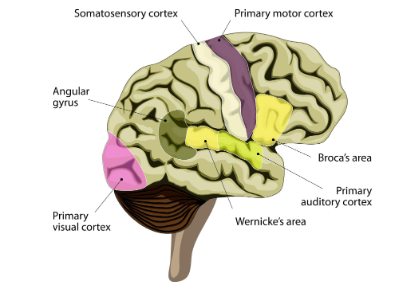
Music Therapy intentionally harnesses this unique power. It’s an approach that can be incredibly supportive if you find it hard to talk about complex or painful feelings, if traditional talk therapy (like CBT or psychodynamic therapy) feels stalled, or if you are dealing with chronic pain, motor impairments, or neurological conditions. When words fail, music often prevails, offering a safe, structured path toward emotional integration and healing.
This article is your warm, supportive guide to understanding Music Therapy Interventions. We’ll break down the four main ways music is used in a therapeutic setting, explore how these techniques help with everything from anxiety to trauma, and show you that you don’t need any musical talent at all—only the willingness to listen, create, or move.
Part 1: The Foundation – Why Music Works in Therapy
Before diving into the interventions, it helps to understand why music is so powerful in a clinical setting—the mechanism behind its therapeutic effect.
- The Non-Verbal Bridge and Emotional Access
For many people, especially those who have experienced trauma, profound grief, or difficult relational dynamics, putting complex feelings into coherent words is difficult or even impossible. Music acts as a non-verbal bridge to these difficult emotional states.
- Bypassing the Gatekeeper: Language processing happens primarily in the cerebral cortex, the logical, conscious, and often defensive part of the brain. Emotions and deep-seated memories, however, are housed primarily in the limbic system (which includes the amygdala, the brain’s “fear center”). Music can access the limbic system directly, often triggering emotional release or memory retrieval without having to first go through the analytical, defensive cortex. This allows you to explore feelings safely and without the pressure of verbal articulation.
- Entrainment and Nervous System Regulation
Music has a profound physiological effect on your body that can be deliberately used to regulate your nervous system. This automatic process is called entrainment.
- Heart Rate and Breathing: When you listen to slow, rhythmic, predictable music (like a steady drumbeat or a slow melody), your heart rate, breathing, and even brainwave activity naturally slow down or speed up to match the tempo and rhythm. This can directly shift your body out of the “fight-or-flight” (sympathetic) stress state and into the “rest-and-digest” (parasympathetic) calm state.
- Predictability = Safety: For a nervous system that feels chaotic, fractured, or unsafe, the structure, rhythm, and predictability of music offer immediate, reliable comfort and a sense of grounding.
- Memory, Recall, and Neuroplasticity
Music is deeply connected to memory. Because music processing engages multiple areas of the brain simultaneously (auditory, motor, emotional, and cognitive), it can often help people with dementia or neurological injury access memories and language even when those pathways are damaged. This therapeutic use of music is often key in speech and motor rehabilitation.
Part 2: The Four Main Categories of Interventions
Music Therapy interventions are generally grouped into four main categories, focusing on the client’s relationship to the music. Your Music Therapist (MT-BC) will choose the right one based on your specific therapeutic goals (e.g., reducing anxiety, processing grief, improving communication, or increasing motor function).
Category 1: Receptive Interventions (Listening)
These involve passively or actively listening to music, but the choice of music and the way you listen are intentional and guided by the therapist.
- What it is: The therapist may choose specific music (sometimes with headphones, sometimes played live) to match, stimulate, or gradually shift your mood. You don’t play or sing; you simply receive the music.
- Techniques:
- Music-Assisted Relaxation (MAR): Listening to highly structured, rhythmic, slow music to promote physiological calm and meditative states.
- Music for Pacing: Using music with a predictable tempo to regulate walking pace (Gait Training) for people with motor disorders like Parkinson’s disease.
- GIM (Guided Imagery and Music): A powerful advanced technique where you listen to pre-selected classical music pieces, often lying down with eyes closed, and describe the images, emotions, and memories that arise. This is used to access deep subconscious material, similar to dream work.
- Therapeutic Goal: Mood regulation, pain management, anxiety reduction, accessing subconscious material, and improving focus.
Category 2: Re-Creative Interventions (Performing)
These involve learning, rehearsing, or performing existing musical pieces, either by singing or playing accessible instruments.
- What it is: Using instruments (like the piano, guitar, or drums) or your voice to re-create music that already exists. You don’t have to be technically skilled; you just have to participate.
- Techniques:
- Instrument Instruction/Rehearsal: Learning simple chord patterns or singing an existing song. This focuses on building attention, patience, frustration tolerance, and concentration—crucial cognitive skills.
- Performance of Familiar Songs: Singing songs that relate to a particular emotion or memory. This promotes memory recall, speech production (in certain populations), and emotional validation (“I’m not the only one who has felt this way”).
- Group Singing/Drumming: Used in group therapy or community settings to foster a sense of cohesion, belonging, and shared experience, especially for social skill development.
- Therapeutic Goal: Cognitive skill development (attention, sequencing), emotional validation, memory recall, speech production, social connection, and developing motor coordination.
Connect Free. Improve your mental and physical health with a professional near you

Category 3: Compositional Interventions (Creating)
These involve writing or creating original music, lyrics, or poetry. This is one of the most powerful tools for self-expression, self-discovery, and narrative change.
- What it is: The client works with the therapist to create a new song, lyrics, or musical piece. The therapist helps structure the work (e.g., providing a framework of verses and a chorus), but the emotional content and narrative come entirely from the client.
- Techniques:
- Lyric Creation: Writing lyrics to express a feeling that cannot be spoken, tell the story of a trauma, or articulate future goals. This makes overwhelming, chaotic feelings manageable by putting them into a structured, contained form.
- Songwriting: Combining original lyrics with simple chord progressions (often written by the client or adapted by the therapist). This provides the client with tangible evidence of their own ability to create something beautiful or meaningful out of pain, fostering self-esteem.
- Creating Rhythms/Raps: Using rhythm and words to express strong, often aggressive or angry, emotions safely and non-destructively.
- Therapeutic Goal: Narrative reconstruction (changing the negative story you tell yourself), grief resolution, self-discovery, identity development, and emotional containment.
Category 4: Improvisational Interventions (Spontaneous Creation)
This is perhaps the most unique and dynamic category, involving spontaneous, unstructured music-making between the client and the therapist.
- What it is: The therapist and client play instruments together (often drums, xylophones, or simple percussion instruments) without pre-determined rules, melodies, or structure. The music is made up in the moment, reflecting the current emotional state of the client.
- Techniques:
- Free Improvisation: The client simply starts playing, and the therapist follows, musically reflecting, supporting, or gently challenging the client’s musical choices. This allows the client to explore their deepest emotional state non-verbally.
- Grounding Rhythm: The therapist maintains a steady, secure, and predictable rhythm (like a heartbeat), and the client improvises over it. This provides a sense of stable support while the client explores chaos, anxiety, or sadness musically.
- Musical Role-Playing: Using two different instruments to represent two people in a conflict (e.g., a quiet flute for the client, a loud drum for the partner) and working through the conflict musically, exploring solutions and boundaries in a safe, externalized way.
- Therapeutic Goal: Non-verbal communication, emotional release, expressing complex relationship dynamics, exploring spontaneity and self-trust, and confronting control issues.
Part 3: Practical Application – What You Can Expect
If you choose to work with a Music Therapist (MT-BC), here’s what the experience will look like, and how it connects to your overall therapy goals.
Do I Need to Be Musical? (The Big Question)
No. A thousand times, no.
- The Skill is the Therapist’s: The therapist’s skill lies in using the music to achieve your goals, not in judging your talent. They are not giving you music lessons.
- Focus on Process, Not Product: The tools are chosen to be accessible (drums, shakers, simple keyboards). If your goal is emotional release, the MT-BC just wants you to hit the drum; they don’t care if it’s “on beat” or if the melody is complex. The focus is entirely on the process of expression and connection.
Safety and Containment
Because music can bring up powerful emotions and memories very quickly, the MT-BC is rigorously trained to manage this intensity safely.
- The Pause: A music therapy session always includes structured time to transition out of the music and into verbal processing. The therapist will help you articulate what the music revealed, giving you time to integrate the feeling before you leave the session.
- The Container: The structure of the music itself acts as an emotional container. You can express a chaotic feeling in a three-minute improvisation, and when the music stops, the chaos is contained and manageable, making it less overwhelming than if you were to simply talk about a chaotic experience for an hour.
Connecting Music Therapy to Talk Therapy
Music Therapy often works beautifully alongside traditional talk therapy (like CBT or DBT).
- The Insight: Music Therapy can help you gain a deep, visceral emotional insight (e.g., you express profound, repressed sadness through a powerful, improvised melody).
- The Processing: You can then take that insight and process it logically and cognitively in your talk therapy session (e.g., “The sadness I felt when I played that chord progression relates to the core belief I have about not being good enough”). The two modalities feed each other, marrying emotional feeling with cognitive understanding.
A Final Word of Warmth
Choosing Music Therapy is choosing a path that honors the complexity and depth of your emotional world. It recognizes that sometimes, words are too clumsy, too direct, or too threatening to capture what’s really happening inside.
If you are struggling with chronic stress, trauma, grief, anxiety, or simply feel stuck in your ability to communicate and connect, exploring the world of music therapy interventions can be profoundly healing. You don’t need a perfect voice or skilled fingers; you just need to bring your experiences and your willingness to let the sound guide you toward health.
Your healing journey has many languages. Music is one of the oldest, most powerful, and most compassionate.

Free consultations. Connect free with local health professionals near you.
Conclusion
The Mindful Path to Freedom—Sustaining the Gifts of MBSR
We have thoroughly explored Mindfulness-Based Stress Reduction (MBSR), tracing its origins in medical clinics and detailing its structured, eight-week journey. We’ve dissected its core components: the non-judgmental awareness of the present moment, the transformative power of acceptance, and the three pillars of practice—the Body Scan, Mindful Movement, and Sitting Meditation.
The cumulative insight from this journey is profound: MBSR is not a quick fix or a relaxation technique; it is a radical re-education in how we relate to the fundamental stress of being human.The conclusion of the MBSR journey is not the elimination of stress—that is an impossible, often frustrating goal. Stress, pain, and difficulty are inevitable parts of life.
Instead, the triumph of MBSR is the successful development of internal emotional flexibility and resilience, allowing you to navigate life’s inevitable challenges without being constantly overwhelmed or hijacked by automatic, reactive patterns. The ultimate gift is the establishment of a reliable, ever-present internal anchor that grants genuine freedom.
The Mechanism of Emotional Freedom: Decoupling Pain and Suffering
The core success of MBSR lies in its ability to permanently alter the relationship between pain (the inevitable physical or emotional discomfort) and suffering (the mental resistance to that discomfort). This is the key insight that moves the practice beyond simple relaxation.
- Pain is Inevitable; Suffering is Optional: Pain (a physical sensation, a difficult event, a sad thought) is a neutral fact of existence. Suffering, however, is the fight against pain—the added layers of judgment, resistance, self-criticism, and catastrophic worry. It is the mental energy we expend saying, “This shouldn’t be happening,” or “I can’t handle this.”
- Creating Space through Awareness: MBSR directly targets this fight. By developing non-judgmental awareness through the Body Scan and Sitting Meditation, the practitioner learns to pause and recognize the distinction between the original sensation (the pain/stress) and the subsequent mental story about it (the suffering). The practice of gently bringing the attention back to the breath (the anchor) repeatedly strengthens the neural pathways for non-reactivity.
- The Healing of Acceptance: Acceptance—the willingness to allow the present moment, including uncomfortable feelings, to be exactly as it is—stops the fighting. By saying, “Anxiety is here right now, and that’s okay,” you decouple the pain from the suffering. This creates the essential space where a wiser, more intentional response can take root, rather than the automatic, stressful reaction that previously took over.
The Body as an Anchor: Grounding in the Present
MBSR emphasizes the body because, unlike the mind (which is constantly time-traveling between past and future), the body is always in the present moment. Reconnecting the busy, stressed mind to the immediate, tangible reality of the body is foundational to the practice and serves as the ultimate source of stability.
- Slowing Down the Stress Cycle: Practices like the Body Scan teach you to locate and tolerate intense or subtle sensations without immediately interpreting them as catastrophic. For people with anxiety, who often experience physical symptoms (rapid heart rate, tightness in the chest), the Body Scan reframes these feelings. Instead of signaling immediate danger, they become neutral data to be observed: “Ah, my heart is beating fast. I notice that sensation. I can stay present with it.” This intentional observation of the physical body allows the nervous system to calm itself down through habituation—the gradual lessening of emotional response to a repeated stimulus.
- Interrupting Autopilot: Through Mindful Movement and Informal Mindfulness (like mindful eating or walking), the body becomes a constant, available anchor. When the mind wanders into worry, simply feeling the feet on the ground or the sensation of the breath in the abdomen serves as a reliable, gentle signal to return to the only time that is real—this one. This constant, gentle correction breaks the unconscious pattern of “autopilot” living, which is a key driver of chronic stress by keeping the mind focused on hypothetical futures.
Sustaining the Practice: The Lifelong Commitment
The eight-week program is simply the formal training period where the skills are introduced and mastered under guidance. The true, lasting value of MBSR is realized through its sustained application over a lifetime. The program equips the client with all the necessary tools to become their own mindfulness teacher.
- Integrating Formal and Informal: Sustaining the practice means consciously integrating the Formal Practices (the daily 45-minute sitting or Body Scan) with Informal Mindfulness (using the Three-Minute Breathing Space during a stressful meeting, or mindfully listening to a partner during a disagreement). The formal practice builds the attention muscle; the informal practice applies it in real-world moments of stress. Without the formal practice, the informal applications quickly lose their depth and efficacy.
- The Three-Minute Breathing Space as a Safety Tool: The Three-Minute Breathing Space becomes a critical tool for long-term emotional regulation. By providing a structured, three-step method for quickly checking in, anchoring to the breath, and expanding awareness, it offers a rapid reset button. This tool prevents small moments of stress from escalating into full-blown emotional reactions, ensuring that the client maintains emotional stability outside the therapy or course setting.
- Cultivating Self-Compassion: A final, crucial element of MBSR that sustains the practice is the cultivation of self-compassion. The mind will wander (studies show the mind wanders nearly 50% of the time), and mistakes will be made. The mindful response is not self-criticism (“I failed at meditation today”), but a gentle, non-judgmental return to the anchor (“Ah, the mind wandered for 10 minutes. That’s okay. Now, let me gently bring it back.”). This repeated act of kindness, patience, and non-judgment towards oneself ensures that the practice remains accessible and restorative, rather than becoming another rigid task that feeds the stress cycle. This is the only sustainable way to maintain a daily practice.
In conclusion, MBSR provides a profound prescription for modern life: it teaches you to stop struggling with what is and begin living fully in the only moment available—the present. It is not about changing your circumstances, but about fundamentally changing your internal landscape.
By committing to this simple but powerful discipline of present-moment awareness, you cultivate a deep, inner resilience that makes you less reactive to life’s storms, allowing you to choose intention over impulse, and ultimately, find a lasting sense of calm and clarity within yourself.
Time to feel better. Find a mental, physical health expert that works for you.
Common FAQs
Music Therapy is a creative and highly effective therapeutic approach, but it often raises practical questions for newcomers. These FAQs address common concerns about how music is used in a clinical setting and what you can expect.
Do I need to be "musical" or have any talent to benefit from Music Therapy?
Absolutely not! This is the biggest misconception. You do not need any musical background, training, or talent whatsoever.
- Focus on Process, Not Product: Music Therapy is not about giving you music lessons; it’s about using the process of creating, listening, or moving to music to achieve therapeutic goals (like reducing anxiety or processing grief).
- Accessible Instruments: The instruments used (drums, xylophones, shakers, simple keyboards) are chosen because they are easy and accessible for anyone to play immediately, regardless of skill level.
How is Music Therapy different from just listening to my favorite playlist?
Music Therapy is a structured, clinical intervention led by a trained professional, while listening to a playlist is recreational.
- Intentionality and Goals: A Board-Certified Music Therapist (MT-BC) chooses or creates music interventions (listening, composing, improvising) based on your specific clinical goals (e.g., emotional regulation, trauma processing, motor function).
- Containment and Processing: When music is used in therapy, the MT-BC is trained to manage the powerful emotions or memories that arise. A session always includes time to verbally process the music, ensuring the emotional release is safely contained and integrated into your healing journey.
I have trouble talking about my trauma. Can Music Therapy help?
Yes, profoundly so. This is one of the most powerful applications of music therapy.
- The Non-Verbal Bridge: Music can bypass the brain’s analytical, verbal centers (the cortex) and directly access the emotional centers (the limbic system) where trauma memories are often stored. This allows for safe emotional expression and release when words feel impossible or threatening.
- Externalizing Emotion: Techniques like Improvisation allow you to externalize feelings of chaos, fear, or anger onto a drum or instrument, making the feelings manageable and observable without having to relive the event verbally.
What are the four main ways music is used in a session?
Music Therapy interventions fall into four main categories, which may be used individually or combined in a session:
- Receptive (Listening): Guided listening to chosen music to induce relaxation or trigger memories (GIM).
- Re-Creative (Performing): Singing, playing, or rehearsing existing songs to improve cognitive skills or social connection.
- Compositional (Creating): Writing original lyrics or songs to express feelings and build a new personal narrative.
- Improvisational (Spontaneous): Playing music spontaneously with the therapist to explore relationship dynamics and emotional states non-verbally.
What does the therapist do during Improvisation?
Improvisation is a joint effort where the therapist plays alongside you to facilitate emotional expression and provide support.
- Reflection: The therapist may musically reflect your playing—if you play quickly and loudly, they match you, signaling: “I see and hear your intensity, and I can handle it.”
- Grounding: The therapist often maintains a steady, secure grounding rhythm (like a heartbeat) while you explore chaotic or difficult feelings on your instrument. This creates a musical “secure base,” letting you express distress while feeling safe and supported.
Can Music Therapy help with non-emotional issues like pain or motor skills?
Absolutely. Music is strongly linked to the motor and sensory centers of the brain.
- Pain Management: Receptive interventions (Music-Assisted Relaxation) can reduce heart rate and anxiety, which in turn lowers the perception of chronic or acute pain.
- Motor Function: Techniques using rhythm and tempo can help people with neurological disorders (like Parkinson’s or stroke recovery) re-learn walking patterns (Gait Training) or improve speech articulation.
What is the goal of songwriting in therapy?
The goal of songwriting (a Compositional intervention) is not to produce a hit song, but to bring structure and clarity to overwhelming emotions or experiences.
- Containment: Putting chaotic feelings into the structured form of lyrics and verses helps contain the emotion, making it feel less overwhelming and more manageable.
- Narrative Change: Writing a song about a difficult past event allows you to re-frame the story and include themes of resilience and hope, helping to create a new, healthier self-narrative.
People also ask
Q: What are the four types of interventions in music therapy?
A: There are four main approaches to music therapy: receptive, re-creational, compositional, and improvisational. Each method focuses on a different way the client can get involved.
Q:What are sound healing techniques?
A: Sound healing is a practice that uses vibrations created by various sound-producing instruments to influence the body’s energy field. These sounds can be generated by a variety of instruments, including gongs, Tibetan singing bowls, crystal bowls, chimes, drums, and even the human voice.
Q: What is the healing sound of music?
A: The Healing Sound of Music shows you how to surround yourself with the kinds of tones and frequencies that will make and keep you healthier. You’ll learn how to use music to enhance your immune system and fight stress, high blood pressure, cancer, headaches, chronic pain and even loneliness.
Q:How to make sound healing music?
A: “Produce music with a flowing melody, soothing human hums, and pauses, creating space for emotional release and grounding.” “Create background music that blends gentle, slow strings with distant thunder and 432 Hz frequency to release stress and calm the nervous system.”
NOTICE TO USERS
MindBodyToday is not intended to be a substitute for professional advice, diagnosis, medical treatment, or therapy. Always seek the advice of your physician or qualified mental health provider with any questions you may have regarding any mental health symptom or medical condition. Never disregard professional psychological or medical advice nor delay in seeking professional advice or treatment because of something you have read on MindBodyToday.
Share this article

Let us know about your needs

Quickly reach the right healthcare Pro

Message health care pros and get the help you need.
Popular Healthcare Professionals Near You
You might also like

What is Psychodynamic Therapy Principles?
, What is Psychodynamic Therapy Principles? Everything you need to know Find a Pro Digging Deeper: A Simple Guide to […]

What is Dialectical Behavior Therapy (DBT)?
, What is Dialectical Behavior Therapy (DBT) ? Everything you need to know Find a Pro Navigating the Storm: Understanding […]

What is Cognitive Behavioral Therapy (CBT)?
, What is Cognitive Behavioral Therapy (CBT) ? Everything you need to know Find a Pro Your Thoughts Are Not […]

