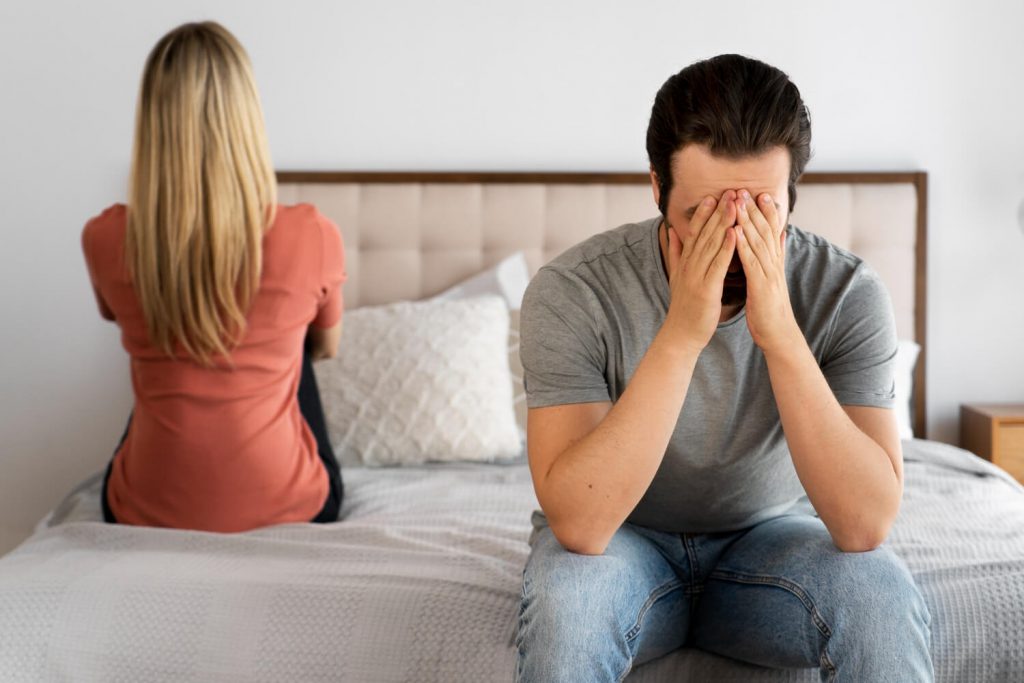
Understanding the Fear of Commitment
The fear of commitment, a psychological labyrinth known as commitment phobia, transcends the realm of romantic entanglements. It seeps into the very fabric of an individual’s existence, coloring their approach to friendships, career trajectories, and the pursuit of personal aspirations. This intricate phenomenon, characterized by an acute aversion to long-term engagements, demands a comprehensive exploration to unravel its complexities and pave the way for healing.
Defining Commitment Phobia: Beyond Hesitation
At its core, commitment phobia is not merely a fleeting hesitation; it’s a profound anxiety that engulfs the individual at the mere prospect of binding themselves to another person, an idea, or a situation for an extended duration. This anxiety manifests as a pervasive dread, driving individuals to engage in avoidance behaviors and self-sabotaging patterns. The thought of permanence becomes a suffocating burden, compelling them to prioritize the ephemeral pleasures of short-term gratification over the enduring stability of long-term commitments.
Time to feel better. Find a mental, physical health expert that works for you.
The Multifaceted Roots of Commitment Phobia
To effectively address commitment phobia, it’s imperative to delve into its origins, which often lie buried in the depths of an individual’s past experiences and psychological makeup:
- Past Traumatic Experiences: The Echoes of Emotional Wounds
- Childhood experiences, such as witnessing the dissolution of parental relationships or enduring abandonment, can leave indelible scars, fostering a deep-seated fear of emotional vulnerability and the potential for heartbreak.
- Previous romantic relationships marred by betrayal, manipulation, or abuse can instill a profound distrust of commitment, creating a barrier to future intimacy.
- Attachment Styles: The Blueprint of Relationship Patterns
- Attachment theory posits that early childhood interactions with caregivers shape our attachment styles, influencing how we form and maintain relationships throughout our lives.
- Individuals with anxious attachment styles, characterized by a fear of abandonment, or avoidant attachment styles, marked by a discomfort with intimacy and emotional closeness, are particularly susceptible to commitment phobia.
- Fear of Loss of Independence: The Struggle for Autonomy
- For some individuals, commitment equates to a loss of freedom and autonomy, a fear of being confined or controlled by their partner or situation.
- This fear often stems from a strong need for independence and a belief that commitment necessitates sacrificing personal goals and desires.
- Fear of Failure: The Shadow of Inadequacy
- The fear of failing at a commitment can be an overwhelming burden, leading individuals to avoid it altogether.
- This fear may be rooted in low self-esteem or a history of unsuccessful relationships or endeavors, creating a cycle of avoidance.
- Societal Influences: The Cultural Landscape of Commitment
- The modern emphasis on individualism and self-sufficiency can contribute to a culture that devalues commitment, portraying it as a restrictive burden rather than a fulfilling choice.
- Exposure to media portrayals of failed relationships and the glorification of casual encounters can shape negative perceptions of commitment, reinforcing fears and anxieties.
- Unresolved Emotional Issues: The Barriers to Intimacy
- Many people dealing with commitment phobia have unresolved emotional issues that create barriers to intimacy. These issues may stem from past traumas, childhood experiences, or prior relationships, and they can manifest as fear, distrust, or emotional unavailability.
The Diverse Manifestations of Commitment Phobia
Commitment phobia can manifest in a myriad of ways, affecting various facets of an individual’s life:
- Romantic Relationships: The Cycle of Avoidance
- Individuals may engage in serial dating, avoiding serious relationships or sabotaging them when they become too close.
- They may exhibit emotional unavailability, distancing themselves when their partner expresses a desire for commitment.
- They may have a pattern of idealizing new partners, and then finding flaws, once the relationship begins to be serious.
- Career: The Pursuit of Ephemeral Opportunities
- Individuals may frequently change jobs or avoid pursuing long-term career goals, fearing the constraints of commitment.
- They may struggle with workplace commitments, such as deadlines or team projects, exhibiting a pattern of inconsistency and unreliability.
- Friendships: The Challenge of Intimacy
- Individuals may struggle to maintain close friendships, avoiding emotional vulnerability and long-term connections.
- Personal Goals: The Elusive Pursuit of Achievement
- Individuals may struggle to commit to personal goals, such as fitness routines, creative projects, or educational pursuits, exhibiting a pattern of procrastination and avoidance.
Psychological Underpinnings: The Intertwined Complexities
Commitment phobia is often intertwined with other psychological factors, creating a complex web of interconnected issues:
- Anxiety Disorders: The Exacerbation of Fear
- Generalized anxiety disorder, social anxiety disorder, and panic disorder can exacerbate the fear of commitment, amplifying feelings of dread and unease.
- Depression: The Weight of Hopelessness
- Depression can lead to feelings of hopelessness and a lack of motivation, making commitment seem overwhelming and unattainable.
- Narcissistic Personality Disorder: The Need for Control
- Individuals with narcissistic personality disorder may struggle with commitment due to their need for control, and fear of vulnerability.
- Borderline Personality Disorder: The Paradox of Fear
- People with BPD can have intense fears of abandonment, and also push people away, creating a difficult cycle of commitment issues.
Connect Free. Improve your mental and physical health with a professional near you
Overcoming Commitment Phobia: A Path to Healing
Addressing commitment phobia requires a multifaceted approach, encompassing therapy, self-reflection, and gradual exposure:
- Therapy: The Guide to Healing
- Cognitive-behavioral therapy (CBT) can help individuals identify and challenge negative thought patterns and develop healthier coping mechanisms.
- Attachment-based therapy can address underlying attachment issues and promote secure attachment styles.
- Psychodynamic therapy can help to explore the root causes of the fear, often based in early childhood.
- Self-Reflection: The Journey of Discovery
- Journaling and mindfulness practices can help individuals gain insight into their fears and triggers, fostering self-awareness and understanding.
- Exploring past experiences and identifying patterns in relationships can be beneficial in uncovering the roots of commitment phobia.
- Gradual Exposure: The Building Blocks of Confidence
- Gradually engaging in small commitments can help build confidence and reduce anxiety, creating a sense of mastery and control.
- Starting with short term goals, and gradually increasing the duration of commitments can be effective.
- Building Secure Relationships: The Foundation of Trust
- Surrounding oneself with supportive and understanding individuals can create a safe environment for practicing healthy relationship behaviors.
- Learning to communicate needs and boundaries is vital for fostering trust and intimacy.
- Addressing Underlying Issues: The Path to Wholeness
- If anxiety, depression, or other issues are present, treating these conditions is vital for addressing commitment phobia.
- Patience and Self-Compassion: The Keys to Resilience
- Overcoming commitment phobia takes time and effort. Practicing self-compassion and celebrating small victories is essential for maintaining motivation and resilience.
Healing from Gamophobia
Gamophobia, the intense fear of marriage or commitment, can cast a long shadow over an individual’s life, preventing them from experiencing the joys of long-term partnerships. This section provides a practical guide to healing from gamophobia, offering strategies for understanding its roots, addressing underlying issues, and building healthier relationship patterns.
Understanding Gamophobia: Beyond Reluctance
Gamophobia extends beyond a simple reluctance to marry; it’s a deep-seated anxiety that can manifest in various ways, impacting an individual’s ability to form and maintain intimate relationships. It’s crucial to differentiate between a healthy cautiousness and a paralyzing fear that dictates every relational decision.
Identifying the Roots of Gamophobia: Unearthing the Origins
The journey to healing begins with understanding the origins of gamophobia, which often lie in a complex interplay of past experiences, psychological factors, and societal influences.
Free consultations. Connect free with local health professionals near you.
Conclusion
Overcoming gamophobia, the profound and often debilitating fear of commitment, is not a mere destination to be reached, but a transformative journey of profound self-discovery and emotional reclamation. It is a path that demands not only courage and resilience but also a deep commitment to self-awareness and a willingness to confront the deeply rooted anxieties that have shaped one’s relational landscape. As we have explored, gamophobia often stems from a complex interplay of past traumas, insecure attachment styles forged in early childhood, and societal pressures that distort and often negatively frame the concept of lasting relationships. Recognizing and understanding these origins is not just an academic exercise; it is the crucial, foundational first step toward genuine healing and the construction of healthier, more fulfilling connections.
The strategies we have outlined – therapy, particularly cognitive-behavioral and attachment-focused approaches, self-reflection through journaling and mindfulness, gradual exposure to commitment through small, manageable steps, and the cultivation of open, honest communication – serve as indispensable guideposts on this challenging yet ultimately rewarding path. Therapy provides a safe and structured space to dismantle the ingrained negative thought patterns and maladaptive coping mechanisms that perpetuate gamophobic behaviors. It offers a platform to cultivate healthier relationship models and to develop the emotional tools necessary for navigating the complexities of intimacy and vulnerability. Self-reflection, through practices like journaling and mindfulness, fosters a deeper understanding of one’s emotional triggers and habitual responses, allowing for greater self-awareness and control. Gradual exposure, by practicing small, incremental commitments, gradually rebuilds trust in the possibility of lasting connections, challenging the fear-driven narratives that have dominated one’s relational experiences.
Crucially, healing from gamophobia is not about forcing oneself into a predetermined, rigid mold of commitment. It is not about conforming to societal expectations or sacrificing one’s individuality. Rather, it is about cultivating the capacity for genuine intimacy and vulnerability, recognizing that true connection enriches and expands one’s life rather than restricting it. It involves challenging and dismantling the pervasive societal narratives that equate commitment with a loss of self, a surrender of autonomy, and instead, embracing the profound potential for mutual growth, support, and shared joy within a healthy partnership. This process is inherently non-linear, marked by both progress and occasional setbacks. Patience, therefore, is paramount. Self-compassion, the ability to treat oneself with kindness, understanding, and forgiveness during challenging moments, is not a luxury but an absolute necessity. Celebrate small victories, acknowledge the progress made, and remember that healing is a continuous evolution, a lifelong journey of self-discovery and emotional growth.
Ultimately, overcoming gamophobia is about reclaiming agency over one’s emotional life, about stepping out of the shadows of fear and into the light of authentic connection. It is about choosing connection over fear, embracing the possibility of fulfilling, lasting relationships that are grounded in mutual respect, trust, and love. It is about recognizing that vulnerability is not a weakness to be hidden, but a courageous act of self-acceptance and trust, a testament to one’s strength and resilience. The journey may be arduous, demanding unwavering commitment and perseverance, but the rewards – genuine intimacy, emotional security, and the profound joy of a shared life – are immeasurable, transforming not only one’s relationships but one’s entire experience of life itself. It is a testament to the human capacity for growth, healing, and the enduring power of love.
Time to feel better. Find a mental, physical health expert that works for you.
People also ask
Q:What is the cause of gamophobia?
A:Gamophobia can stem from past negative relationship experiences like divorce or infidelity, witnessing parental conflict, or a fear of losing independence and identity in a relationship. Underlying issues such as low self-esteem, anxiety, insecure attachment styles developed in childhood, and even a fear of intimacy can also contribute to this fear of commitment.
.
Q: What is another word for gamophobia?
A: Fear of commitment. Fear of commitment, also known as gamophobia, is the irrational fear or avoidance of long-term partnership or marriage.
Q: What is the difference between gamophobia and Philophobia?
A: I also read that there is a difference between philophobia, which is fear of love, and another two called monophobia, fear of being alone, and gamophobia, fear of commitment.Feb 25, 2020
.
Q: What is the opposite of gamophobia?
A:Gamophobia (prounced ‘ga-me-PHO-bia’, from the Greek ‘gamo’ meaning ‘marriage’) is the fear of getting married, being in a relationship, or commitment. The opposite of ‘gamophobia’ is ‘anuptaphobia’-it is the fear of not being in a relationship (to be single or alone).
.